Chesapeake Bay Retriever vs Norwich Terrier
Side-by-side comparison across all 14 AKC trait ratings, with a clear verdict on which breed fits which kind of household.
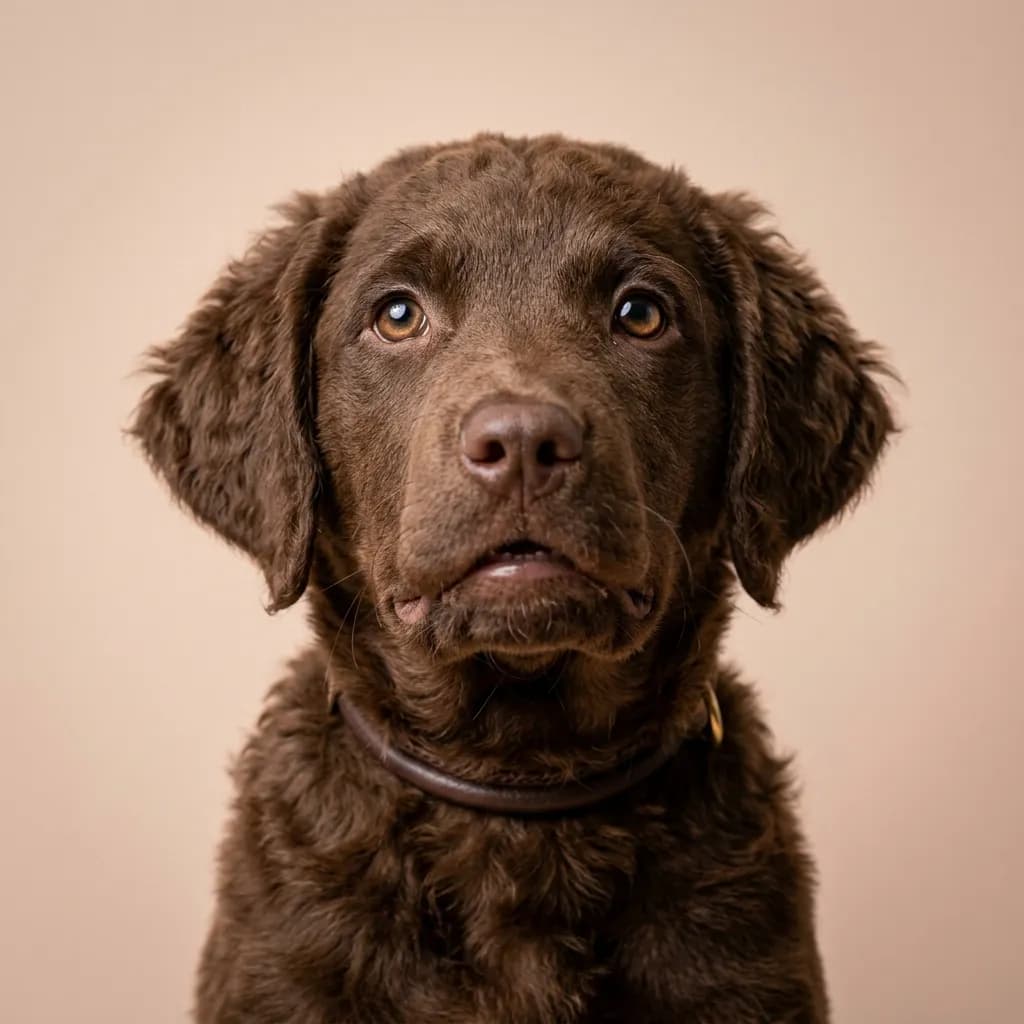
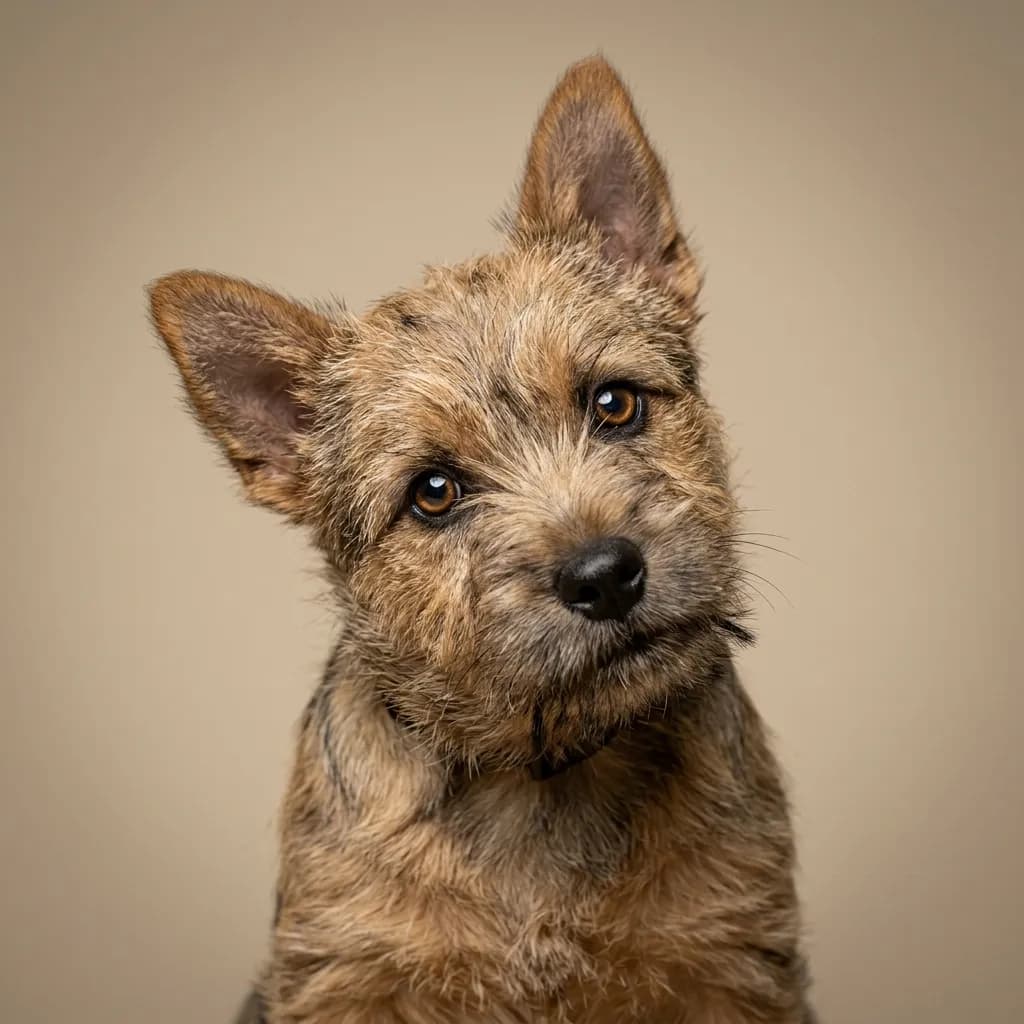
Not sure which breed fits your life?
Answer five questions about your home, your schedule, and your tolerance for shedding. We’ll match you to your top three breeds from over 200.
Chesapeake Bay Retriever vs Norwich Terrier
You’re not really comparing these two breeds because they’re similar. You’re looking at them side by side because you’re torn between two kinds of love. a big, rugged companion for an outdoor life and a small, fearless buddy who fits in your city apartment and your heart equally well. The Chesapeake Bay Retriever is the dog you get when you live near lakes, marshes, or endless trails. He’ll swim through icy water without flinching, then come home to lean his 70-pound frame against your leg like a soggy, affectionate barn door. He’s smart, eager to please, and bonds deeply with his family. But he’s not for the faint of heart. he needs structure, space, and a job. Without it, that sensitivity turns into stubbornness. And yes, he’ll shed, drool, and bark when he’s bored. The Norwich Terrier is the scrappy underdog. literally. At 12 pounds, he’s built to chase rodents through stone walls, not retrieve ducks from open water. But what he lacks in size he makes up for in nerve. He’s merry, bold, and thrives in a lively home, even in a downtown studio. He’s better with kids than the Chessie, more adaptable to your schedule, but don’t expect perfect obedience. He’s a terrier, not a golden retriever. He’ll learn, but on his terms. Here’s the real difference: the Chessie enriches an active life. The Norwich amplifies a joyful one. Pick the Chesapeake if your weekends are muddy and wet. Pick the Norwich if your dog rides in a tote bag to a coffee shop. then chases squirrels like a tiny, red-coated warrior.
Trait-by-trait
Higher bar = more of that trait. Shedding, barking, drooling, grooming flipped for readability.Where they diverge
Choose the Chesapeake Bay Retriever if…
- Active families
- Hunters and waterfowlers
- Cold and wet climate owners
- You value trainability — Chesapeake Bay Retriever scores noticeably higher.
Choose the Norwich Terrier if…
- Active families
- Apartment or small home living
- Families with older children
- You value good with young children — Norwich Terrier scores higher here.