Chesapeake Bay Retriever vs Papillon
Side-by-side comparison across all 14 AKC trait ratings, with a clear verdict on which breed fits which kind of household.
Not sure which breed fits your life?
Answer five questions about your home, your schedule, and your tolerance for shedding. We’ll match you to your top three breeds from over 200.
Chesapeake Bay Retriever vs Papillon
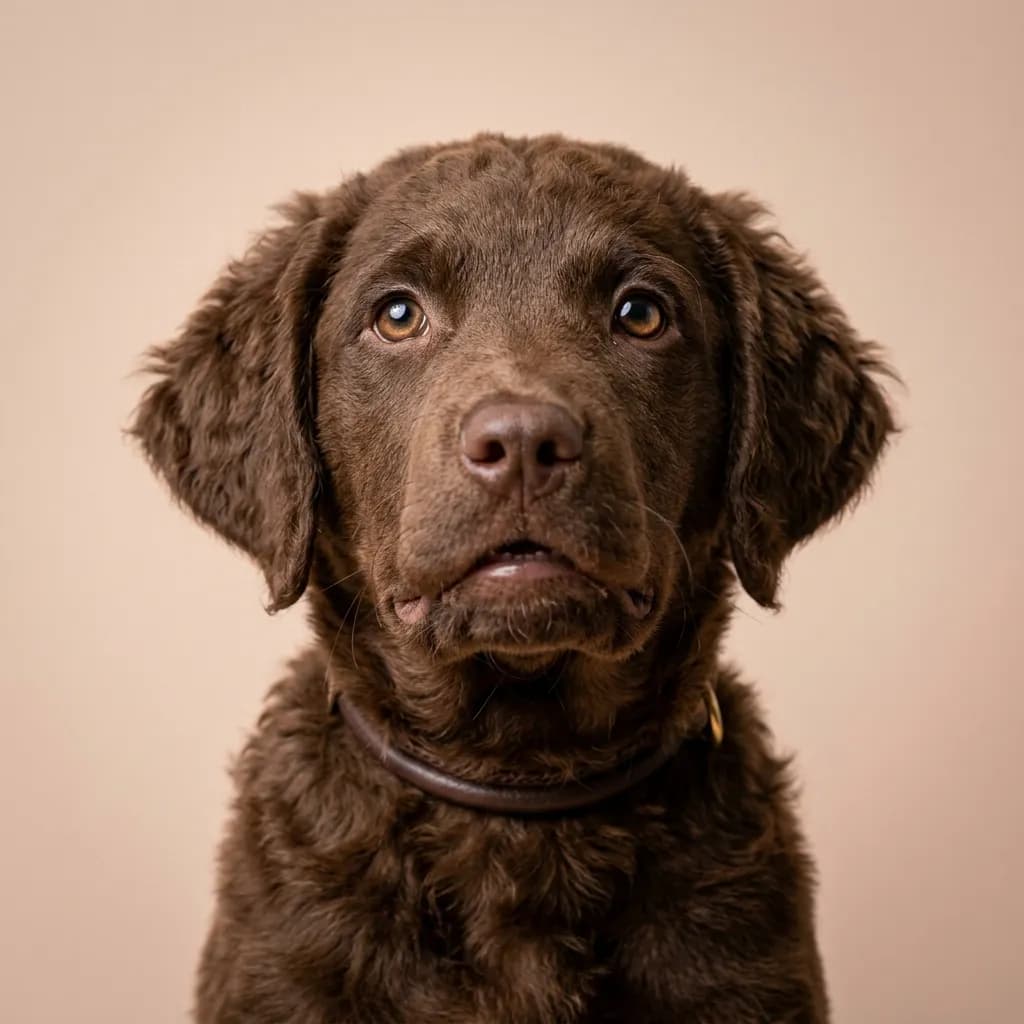
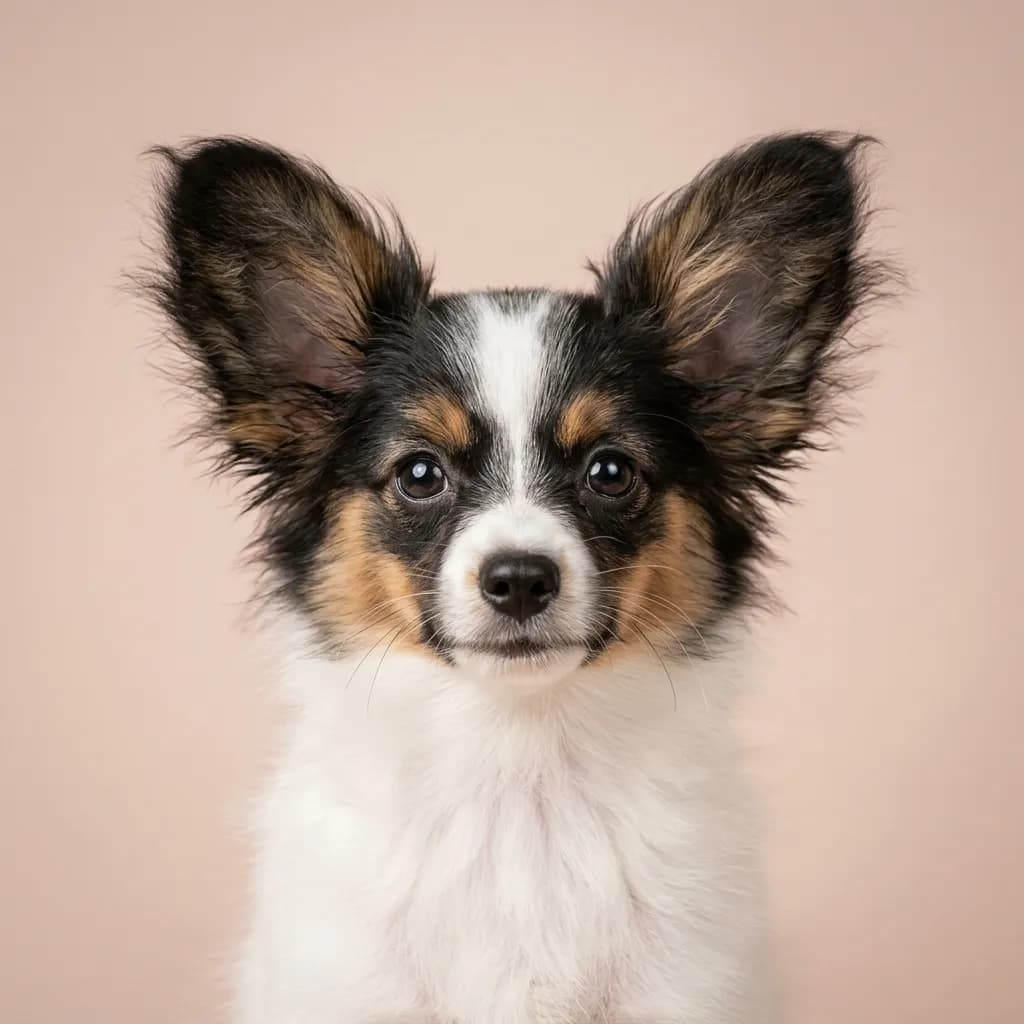
You don’t compare a Chesapeake Bay Retriever and a Papillon unless you’re realizing how wildly different “dog” can be. People stack them up when they’re torn between a life built around an active, rugged outdoor companion and a nimble, ever-present little shadow who thrives in your lap and on your schedule. But make no mistake. these breeds aren’t just different sizes. They’re different species of energy, purpose, and presence. The Chessie is a tank built for cold water and hard work. Think 70 pounds of dense, oily coat and muscle, bred to haul ducks out of icy waves all day. They’re deeply loyal and smart as hell, but they’ve got a sensitivity that demands experienced handling. They’re not loud, but they’re intense, needing space, structure, and daily physical and mental work. You’ll need a yard, cold-weather tolerance, and the time to keep them engaged. They’re not ideal for first-time owners because their strength and reserve can be misread. or mishandled. The Papillon, meanwhile, weighs less than a Chessie’s head and could probably win a doggy triathlon. These tiny firecrackers are fearless, always on, and insanely trainable. They’re perfect for apartments, travel, and people who want a dog that’s always ready to learn or play. But don’t be fooled by the size. this is not a quiet lapdog. They bark at everything, bond tightly, and need just as much mental stimulation as the Chessie, just in different forms. Here’s the real talk: both are high-energy and brilliant, but the Papillon adapts to you, while the Chessie requires you to adapt to him. If you’re inactive or live in a condo, the Chessie will be miserable. and so will you. If you want a calm, quiet house pet, the Papillon will drive you nuts. Choose the Chessie if you hunt, live outdoors, or love cold-weather adventures. Choose the Papillon if you want a portable, sparkling personality that lives for you and dog sports. One’s a working poet of the marsh, the other’s a glittering court jester with a PhD in obedience. Pick your passion.
Trait-by-trait
Higher bar = more of that trait. Shedding, barking, drooling, grooming flipped for readability.Where they diverge
Choose the Chesapeake Bay Retriever if…
- Active families
- Hunters and waterfowlers
- Cold and wet climate owners
- You value coat grooming — Chesapeake Bay Retriever scores noticeably higher.
Choose the Papillon if…
- Apartment living
- Active owners
- Families with older children
- You value good with young children — Papillon scores higher here.