Chesapeake Bay Retriever vs Pudelpointer
Side-by-side comparison across all 14 AKC trait ratings, with a clear verdict on which breed fits which kind of household.
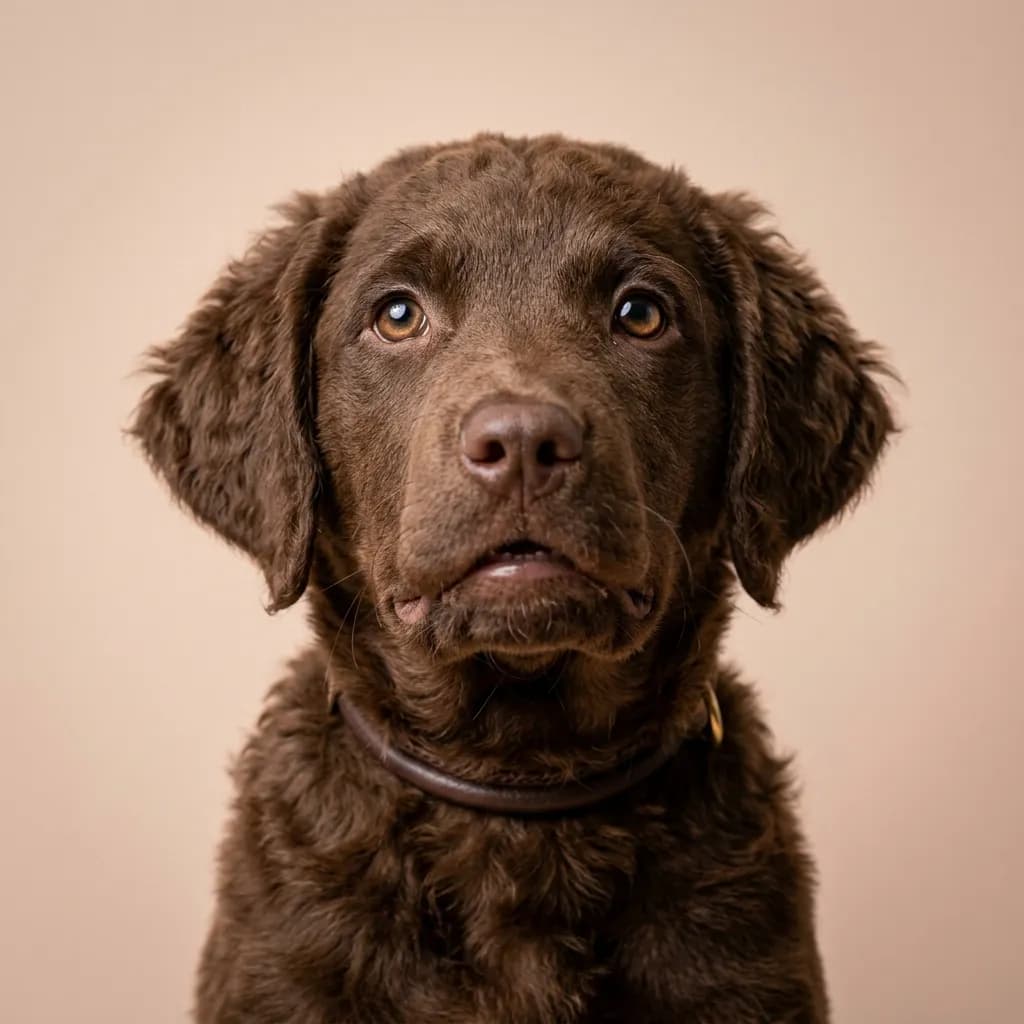
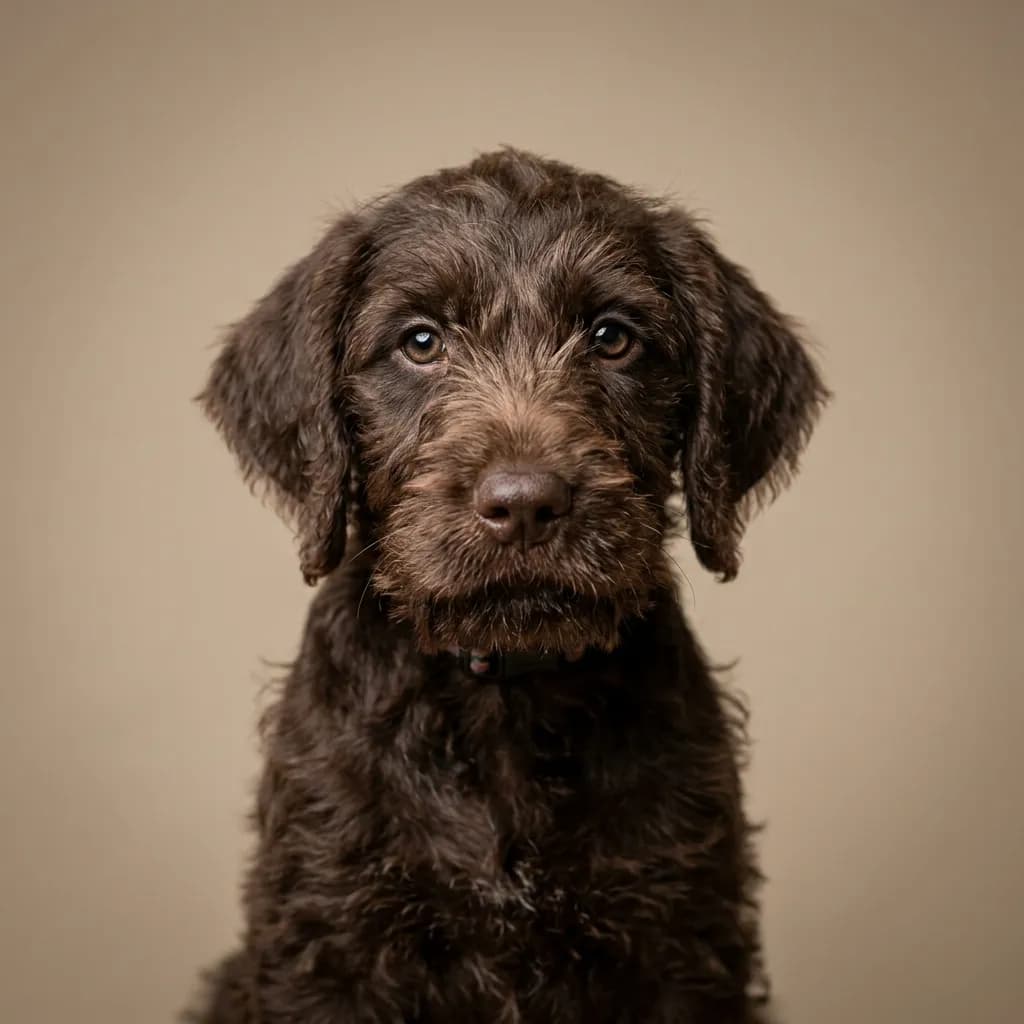
Not sure which breed fits your life?
Answer five questions about your home, your schedule, and your tolerance for shedding. We’ll match you to your top three breeds from over 200.
Chesapeake Bay Retriever vs Pudelpointer
People compare Chesapeake Bay Retrievers and Pudelpointers because both are rugged, water-loving hunting dogs built for cold weather and serious outdoor work. On paper, they look similar. medium to large, energetic, intelligent, and loyal. But their personalities and origins shape two very different experiences in real life. The Chessie is the tough, opinionated cousin who’ll dive into icy water without hesitation and then claim your entire couch. Bred specifically to haul ducks out of the stormy Chesapeake Bay, they’re deeply attached to their people, often one-person dogs who’ll tolerate kids but won’t babysit. They’re bold, independent thinkers with a strong sense of self, which means their “sensitivity” shows up as stubbornness if you’re not consistent. They shed moderately, have a thick oily coat that smells like a wet dog. because they basically are always wet. and need space and purpose. The Pudelpointer? That’s the quiet, focused athlete who excels at everything you ask. pointing pheasants, swimming after ducks, hiking 10 miles. without drama. Bred in Germany to be a true dual-purpose gun dog, they’re more even-keeled, eager to please, and slightly easier to live with in a non-hunting home. provided you still give them serious outdoor time. They bond closely with the family but don’t latch on like a Velcro dog. Here’s the real difference no chart tells you: The Chessie will make you earn its loyalty, and once you have it, it’s forever. The Pudelpointer will follow you anywhere, but if you don’t challenge its mind and body, it’ll quietly lose interest. Choose the Chessie if you want a bold, weatherproof companion with attitude. Choose the Pudelpointer if you want a driven, versatile partner who thrives on shared adventure. And no, neither belongs in an apartment. ever.
Trait-by-trait
Higher bar = more of that trait. Shedding, barking, drooling, grooming flipped for readability.Where they diverge
Choose the Chesapeake Bay Retriever if…
- Active families
- Hunters and waterfowlers
- Cold and wet climate owners
- You value coat grooming — Chesapeake Bay Retriever scores noticeably higher.
Choose the Pudelpointer if…
- hunters
- very active owners
- waterfowl and upland bird hunters
- You value drooling level — Pudelpointer scores higher here.