Chesapeake Bay Retriever vs Schapendoes
Side-by-side comparison across all 14 AKC trait ratings, with a clear verdict on which breed fits which kind of household.

Not sure which breed fits your life?
Answer five questions about your home, your schedule, and your tolerance for shedding. We’ll match you to your top three breeds from over 200.
Chesapeake Bay Retriever vs Schapendoes
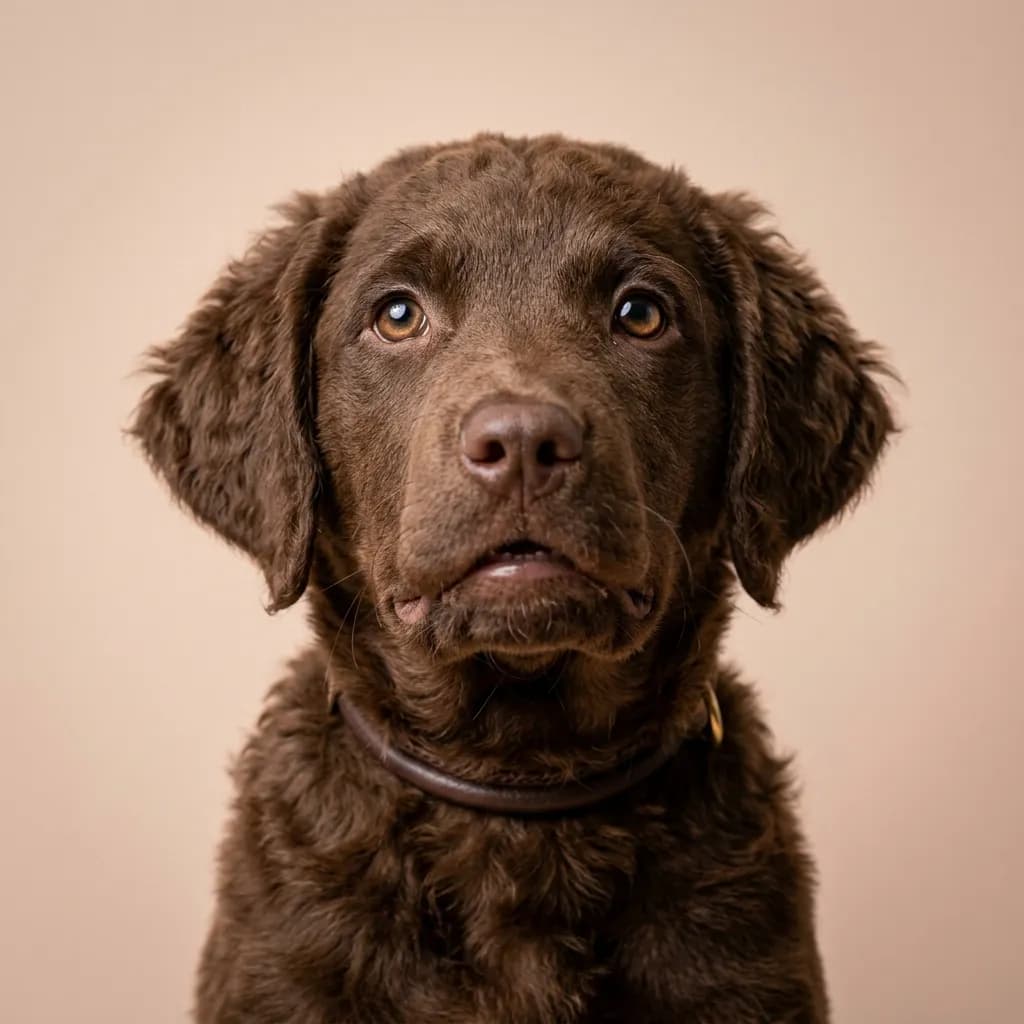
People compare the Chesapeake Bay Retriever and the Schapendoes because both are energetic, trainable dogs with a love for outdoor activity and family life. But that’s where the similarities end. If you’re torn between them, you’re really choosing between a rugged, weather-beating retriever built for cold water and hard work, and a sprightly, agile herding dog with a shaggy coat and an eye for movement. The Chessie is all substance and resilience. Developed to haul ducks from icy Chesapeake tides, this dog thrives in cold climates and loves water the way most dogs love food. They’re deeply loyal, sensitive to tone, and bond tightly with their people. But they’re not for beginners. Their strong will and high energy demand consistent training and serious outdoor access. You’ll need space, time, and a tolerance for muddy paws. The Schapendoes, on the other hand, is like a furry whirlwind with ears that barely stay under control. Bred to herd sheep across Dutch hills, they’re agile, bright, and always alert. They’re lighter, more compact, and surprisingly adaptable. just don’t expect them to sit still. Their coat looks wild but only needs moderate grooming, though you’ll brush out debris if they’re romping in fields. They bond intensely and thrive in active homes that do dog sports. Here’s the real difference: Chessies are stoic partners built for endurance; Schapendoes are joyful performers who live for interaction. If you hunt, live near water, and want a devoted, rugged companion, go Chessie. If you love training, agility, or herding trials and want a dog that’s always “on,” the Schapendoes will steal your schedule. and your heart.
Trait-by-trait
Higher bar = more of that trait. Shedding, barking, drooling, grooming flipped for readability.Where they diverge
Choose the Chesapeake Bay Retriever if…
- Active families
- Hunters and waterfowlers
- Cold and wet climate owners
- You value shedding level — Chesapeake Bay Retriever scores noticeably higher.
Choose the Schapendoes if…
- active families
- agility and herding sport enthusiasts
- experienced herding breed owners
- You value good with other dogs — Schapendoes scores higher here.