Chesapeake Bay Retriever vs Tibetan Terrier
Side-by-side comparison across all 14 AKC trait ratings, with a clear verdict on which breed fits which kind of household.
Not sure which breed fits your life?
Answer five questions about your home, your schedule, and your tolerance for shedding. We’ll match you to your top three breeds from over 200.
Chesapeake Bay Retriever vs Tibetan Terrier
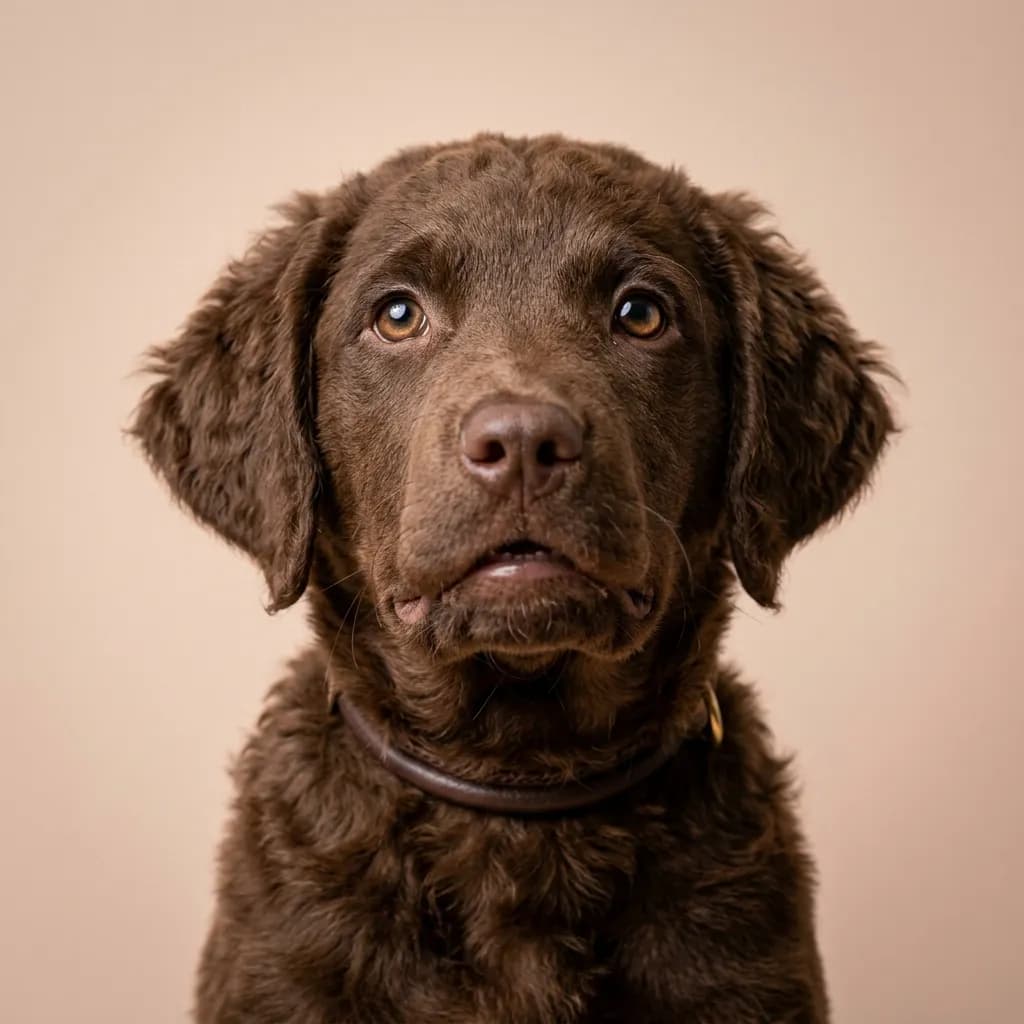
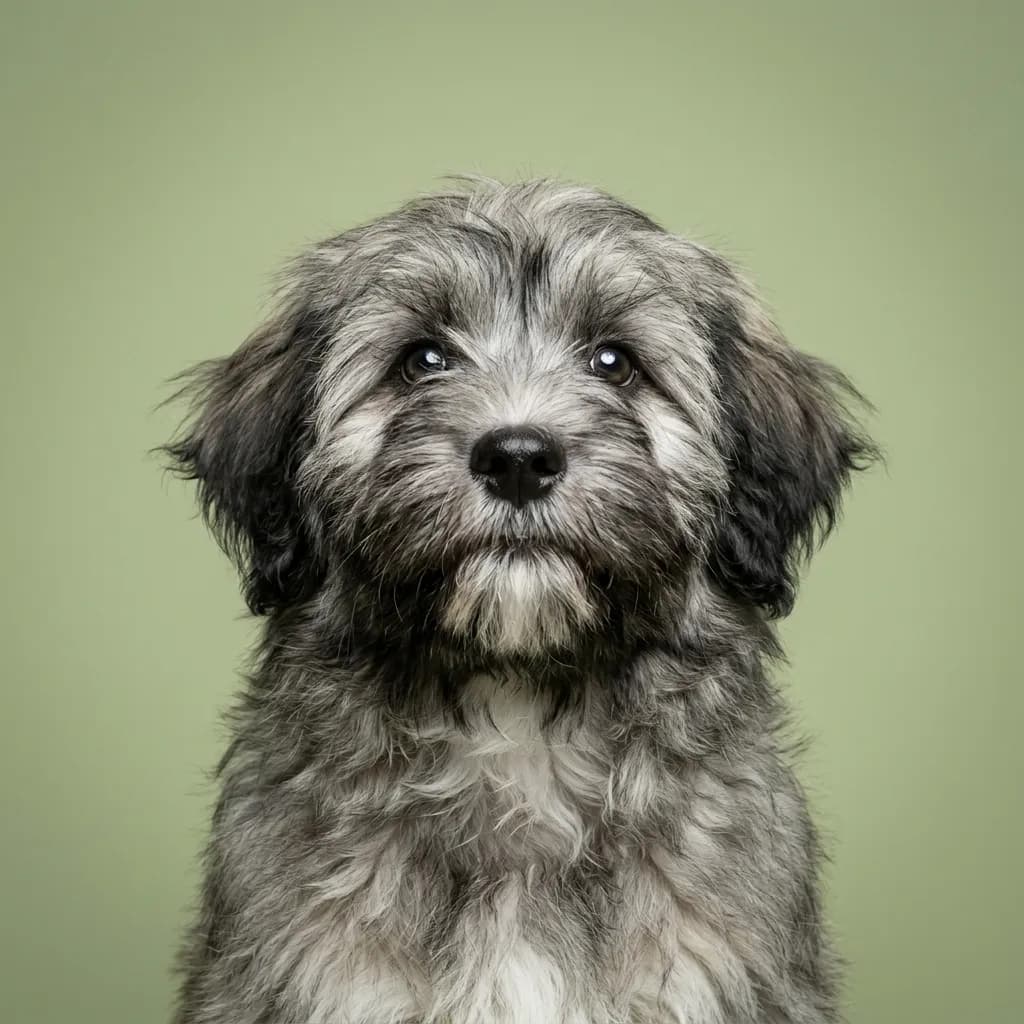
You don’t see many people weighing a Chessie against a Tibetan Terrier, but here’s how the conversation usually starts: someone wants a loyal, medium-sized dog with a big personality and a weather-resistant coat. They’ve seen both breeds described as affectionate and sensitive, and they’re drawn to that mix of heart and grit. But that’s where the similarities end. like comparing a winter parka to a tailored wool coat. The Chesapeake Bay Retriever is built for action. Think cold Atlantic waves, duck season, muddy paws, and a dog that lives for the job. At 55 to 80 pounds, it’s a powerhouse with a coat that repels water like a seal’s. It’s bright and biddable, yes, but also deeply sensitive. Push too hard and it shuts down. You need to earn its trust. This isn’t a couch ornament. it needs space, purpose, and daily physical and mental challenges. Families who hike, boat, or hunt thrive with them. But if your idea of exercise is walking to the mailbox, this dog will turn your house into a demolition zone. The Tibetan Terrier, despite the name, isn’t a terrier at all. It’s a companion bred for monastery life, small enough to live in a monk’s quarters, soft enough to curl up in a lap. Don’t be fooled by the fluffy coat. it’s hypoallergenic and high-maintenance, needing brushing every other day or it mats into dreadlocks. They bond fiercely and can be wary of strangers, but they adapt beautifully to city or country. They’re energetic but not driven. Trainability? Moderately stubborn. They’ll learn, but on their terms. Here’s the real difference: the Chessie wants to work for you. The Tibetan Terrier wants to be with you. One’s a partner in adventure. The other’s a soulmate in soft slippers. Pick based on whether your life has a mission or a mood.
Trait-by-trait
Higher bar = more of that trait. Shedding, barking, drooling, grooming flipped for readability.Where they diverge
Choose the Chesapeake Bay Retriever if…
- Active families
- Hunters and waterfowlers
- Cold and wet climate owners
- You value trainability — Chesapeake Bay Retriever scores noticeably higher.
Choose the Tibetan Terrier if…
- Allergy sufferers
- Active families
- Those wanting a medium-sized companion
- You value affectionate w/ family — Tibetan Terrier scores higher here.