Chesapeake Bay Retriever vs Tornjak
Side-by-side comparison across all 14 AKC trait ratings, with a clear verdict on which breed fits which kind of household.
Not sure which breed fits your life?
Answer five questions about your home, your schedule, and your tolerance for shedding. We’ll match you to your top three breeds from over 200.
Chesapeake Bay Retriever vs Tornjak
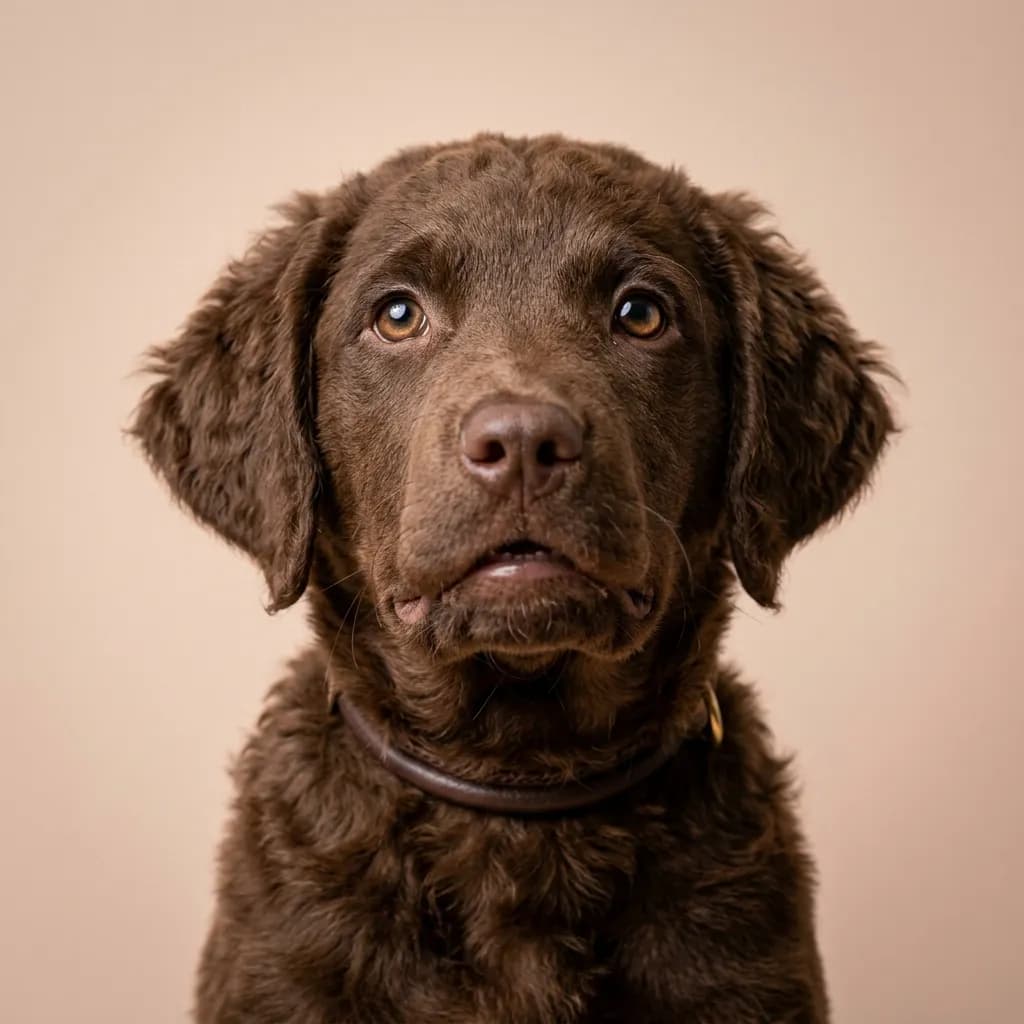
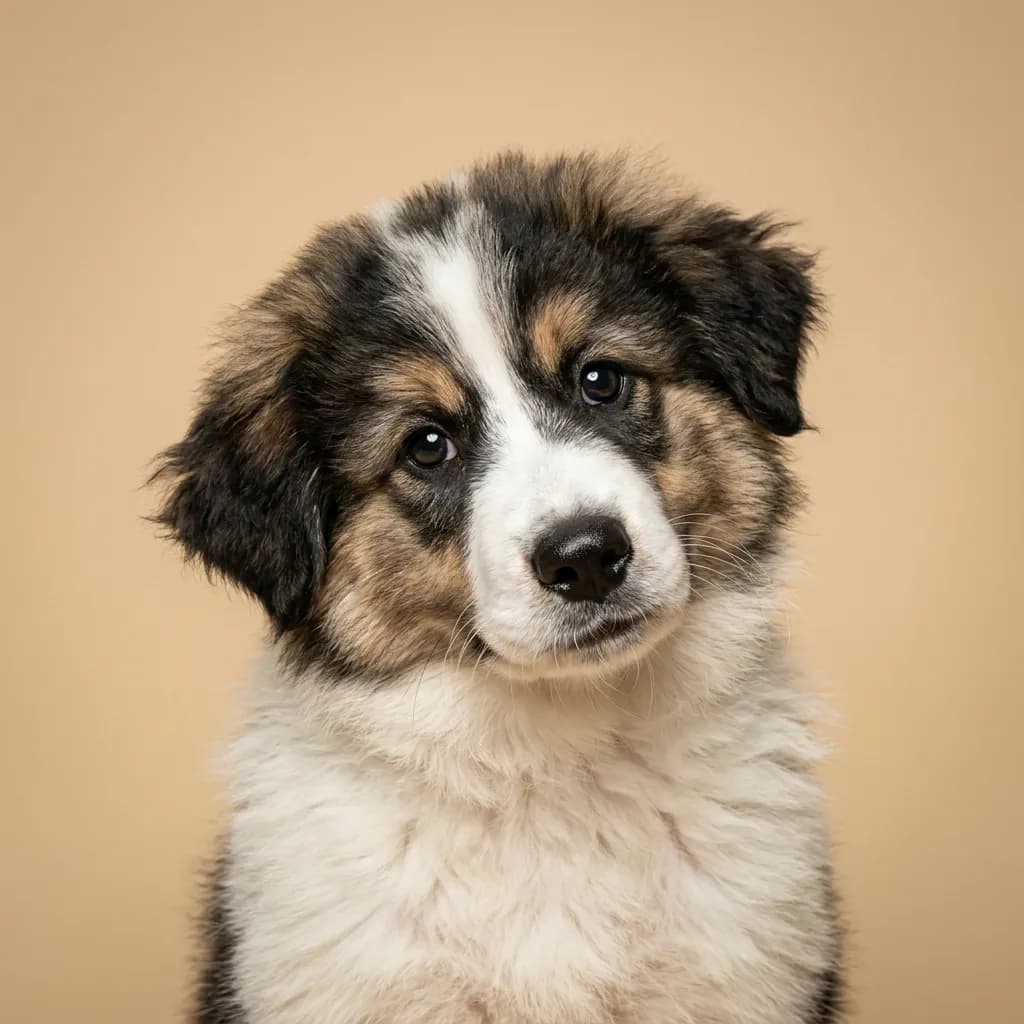
You don’t see Chesapeake Bay Retrievers and Tornjaks compared often, but when you do, it’s usually someone drawn to big, rugged, cold-weather dogs with deep loyalty. Maybe you live on a farm with a pond out back and you’re torn between a water dog and a guardian. That’s where this choice gets real. The Chessie is a working athlete bred to plunge into icy waves, hauling ducks through crashing surf. They’re bright, driven, and bond tightly with active families. You’ll need space and stamina. they want to do things, not just watch. They’re easier to train than most big breeds, but their sensitivity means harsh corrections backfire. And yes, they shed, but it’s the oily coat smell after a rainstorm that catches new owners off guard. The Tornjak is a different kind of protector. This isn’t a dog that retrieves your slippers. he’s scanning the tree line at dawn, standing between your livestock and whatever’s out there. Calm but imposing, he’s not hyperactive, but he’s stubborn in ways a Chessie usually isn’t. Training takes patience. He’s not built for city life or quick obedience drills. He was made for mountains, not sidewalks. If you want a partner for hunting, swimming, and outdoor adventures, the Chessie fits like a glove. If you need a calm, imposing guardian for acreage and animals, the Tornjak stands his ground. Here’s the thing most overlook: both dogs bond fiercely, but the Tornjak will quietly decide whether you’re worth following. Earn his respect first. The Chessie, once trusted, will follow you into a storm. literally.
Trait-by-trait
Higher bar = more of that trait. Shedding, barking, drooling, grooming flipped for readability.Where they diverge
Choose the Chesapeake Bay Retriever if…
- Active families
- Hunters and waterfowlers
- Cold and wet climate owners
- You value good with other dogs — Chesapeake Bay Retriever scores noticeably higher.
Choose the Tornjak if…
- Experienced large-breed owners
- Farm or rural settings
- Livestock guardian needs
- You value shedding level — Tornjak scores higher here.