Chesapeake Bay Retriever vs Tosa
Side-by-side comparison across all 14 AKC trait ratings, with a clear verdict on which breed fits which kind of household.
Not sure which breed fits your life?
Answer five questions about your home, your schedule, and your tolerance for shedding. We’ll match you to your top three breeds from over 200.
Chesapeake Bay Retriever vs Tosa
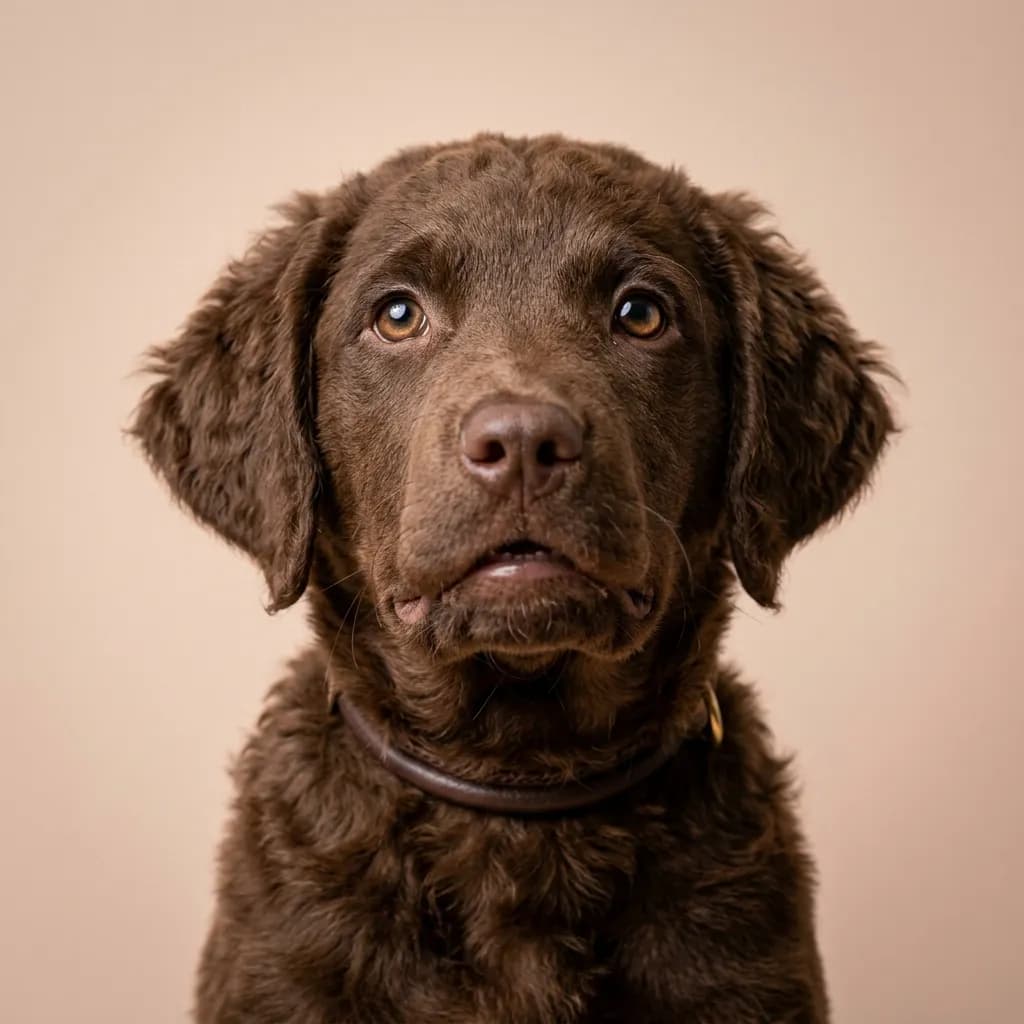
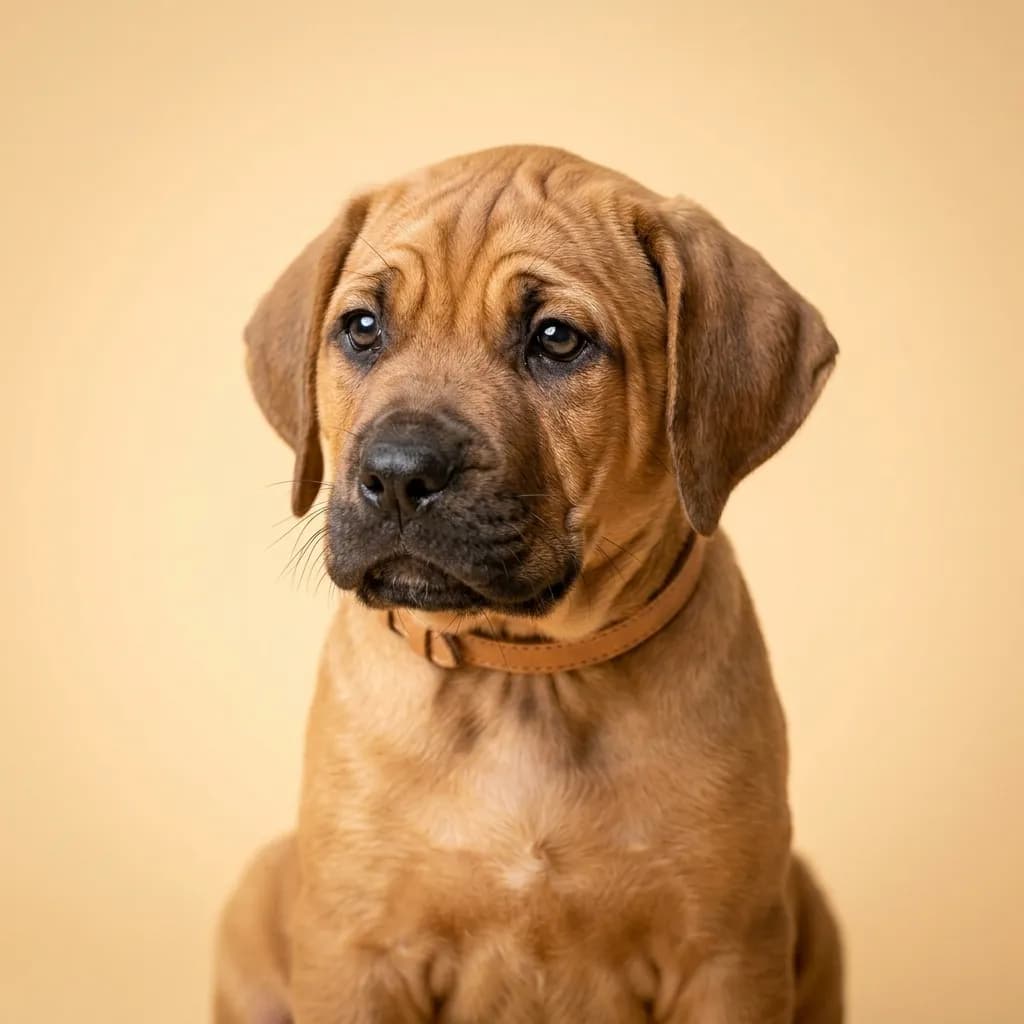
You’re probably not comparing a Chesapeake Bay Retriever and a Tosa because you’re torn between two obvious choices. You’re doing it because you want a powerful, loyal dog who can handle rugged conditions. and you’re weighing just how much dog you’re ready to handle. These two couldn’t be more different under the surface. The Chessie is the all-weather athlete built for action. If you’re out in the cold, rain, or waist-deep in a marsh, this dog will be right there grinning, duck in mouth, fur soaked and happy. It’s bright, eager to please, and thrives on having a job. especially if that job involves water, space, and some serious physical effort. Families who hunt or live near lakes and love the outdoors will find a true partner here. But it needs consistency. It’s not for someone who wants a couch potato. The Tosa? This is not a starter big dog. Originally bred for fighting in Japan, it’s a quiet giant now bred for calm companionship. but it carries the intensity of its past. It’s affectionate with its people, yes, but reserved to the point of wariness with strangers. It’s not hyperactive, but its sheer size and deep-rooted guarding instincts mean it demands experienced handling. You don’t train a Tosa; you earn its respect. Here’s the real talk: the Chessie will bond deeply and work tirelessly, but needs engagement to avoid sullenness. The Tosa may seem low-energy, but its mental weight is enormous. You’re not just owning a dog. you’re stewarding a legacy of power and control. Pick the Chessie if you want an active, devoted partner in adventure. Pick the Tosa only if you’ve handled large, dominant breeds before and can offer space, structure, and unshakable leadership. One is a working athlete, the other a solemn guardian. Neither forgives naivety.
Trait-by-trait
Higher bar = more of that trait. Shedding, barking, drooling, grooming flipped for readability.Where they diverge
Choose the Chesapeake Bay Retriever if…
- Active families
- Hunters and waterfowlers
- Cold and wet climate owners
- You value good with other dogs — Chesapeake Bay Retriever scores noticeably higher.
Choose the Tosa if…
- very experienced large-breed owners
- homes with secure property
- owners seeking a calm giant breed companion
- You value drooling level — Tosa scores higher here.