Chow Chow vs Danish-Swedish Farmdog
Side-by-side comparison across all 14 AKC trait ratings, with a clear verdict on which breed fits which kind of household.
Not sure which breed fits your life?
Answer five questions about your home, your schedule, and your tolerance for shedding. We’ll match you to your top three breeds from over 200.
Chow Chow vs Danish-Swedish Farmdog
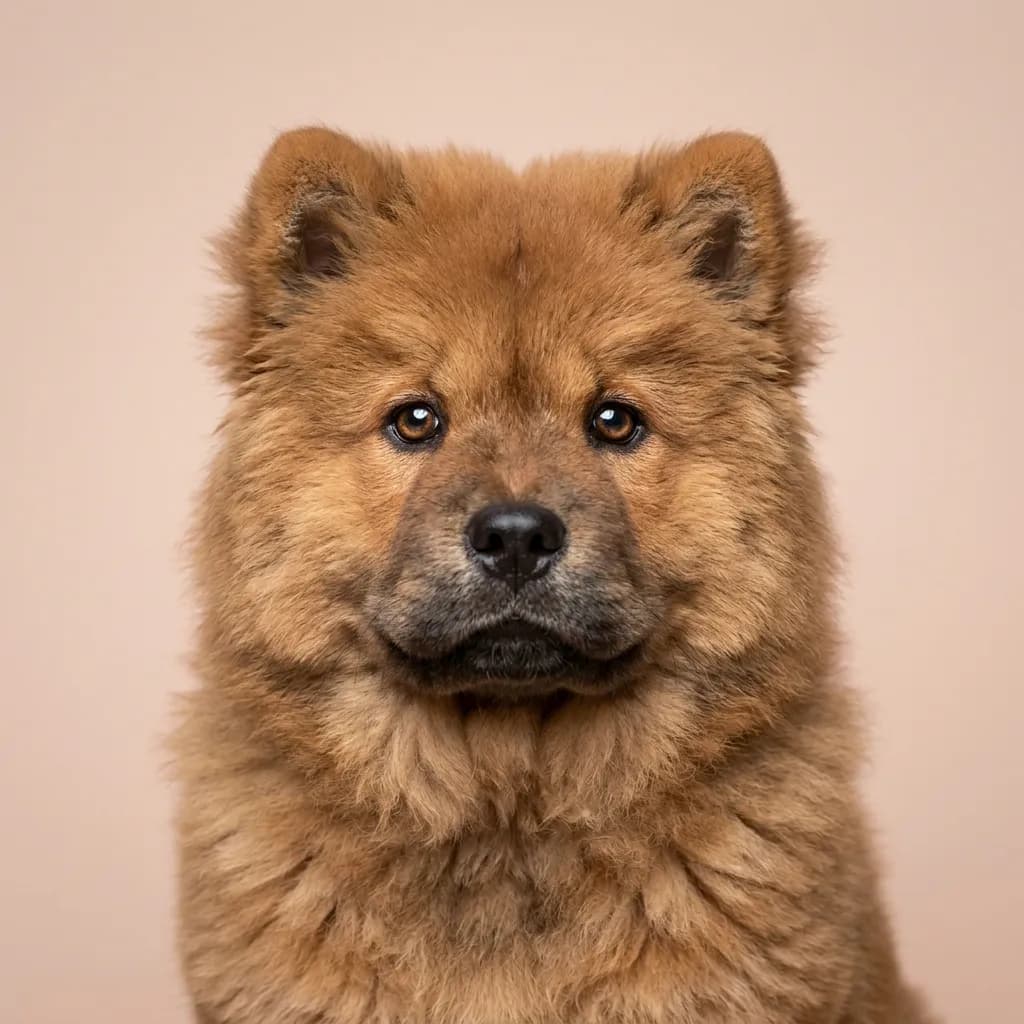
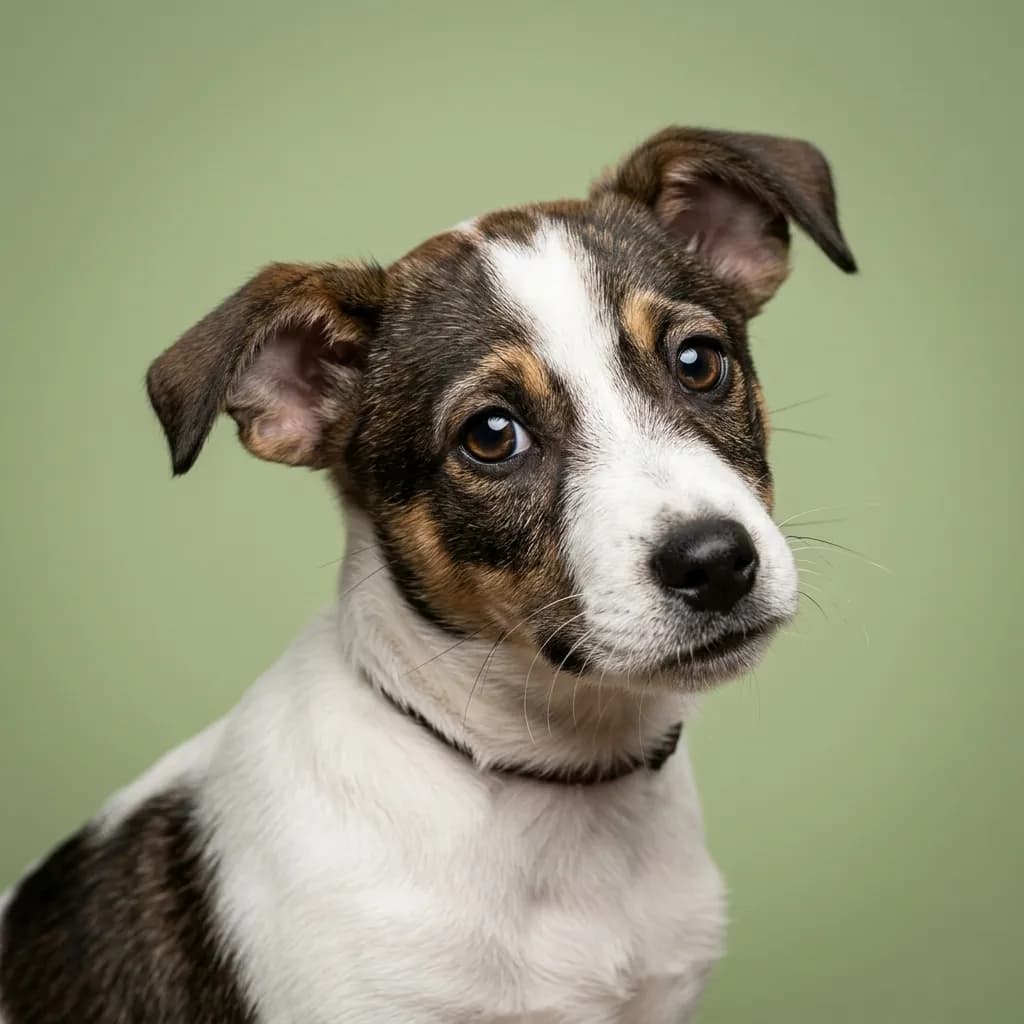
People don’t usually pit the fluffy lion-like Chow Chow against the compact Danish-Swedish Farmdog unless they’re deep in the weeds of “unique but manageable” breeds. But here’s the real story. these two couldn’t be more different once you live with them. The Chow Chow looks like a regal, aloof teddy bear, and that's not far off. They’re deeply loyal but on their own terms. Think of them as the introverted philosopher of the dog world. affectionate with their person, suspicious of strangers, and utterly indifferent to your need for a cuddly, obedient sidekick. They don’t bark much, which sounds nice until you realize it’s because they’d rather ignore the world than engage. They’re not great with kids, don’t handle heat well, and training is a slow, patient game. If you’re a first-time owner or crave a dog that’s excited to see everyone, this isn’t your breed. Now, the Danish-Swedish Farmdog? This little guy was built for real life. Energetic, sharp, and eager to please, he thrives in a home where he’s part of the action. playing with kids, learning tricks, or tagging along on walks. He’s adaptable, barks when needed, and actually likes being included. He’s not as rare or dramatic as the Chow, but he’s way more functional for most families. Here’s the insight the data misses: the Chow Chow isn’t really a pet. It’s a lifestyle statement. The Danish-Swedish Farmdog? He’s a teammate. Pick the Chow if you want a silent, majestic presence. Pick the Farmdog if you want a dog who’ll actually join your life.
Trait-by-trait
Higher bar = more of that trait. Shedding, barking, drooling, grooming flipped for readability.Where they diverge
Choose the Chow Chow if…
- Experienced dog owners
- Less active households
- Adults-only homes
- You value coat grooming — Chow Chow scores noticeably higher.
Choose the Danish-Swedish Farmdog if…
- Active families
- Families with children
- Apartment living (with exercise)
- You value good with other dogs — Danish-Swedish Farmdog scores higher here.