Collie vs Russian Tsvetnaya Bolonka
Side-by-side comparison across all 14 AKC trait ratings, with a clear verdict on which breed fits which kind of household.

Not sure which breed fits your life?
Answer five questions about your home, your schedule, and your tolerance for shedding. We’ll match you to your top three breeds from over 200.
Collie vs Russian Tsvetnaya Bolonka
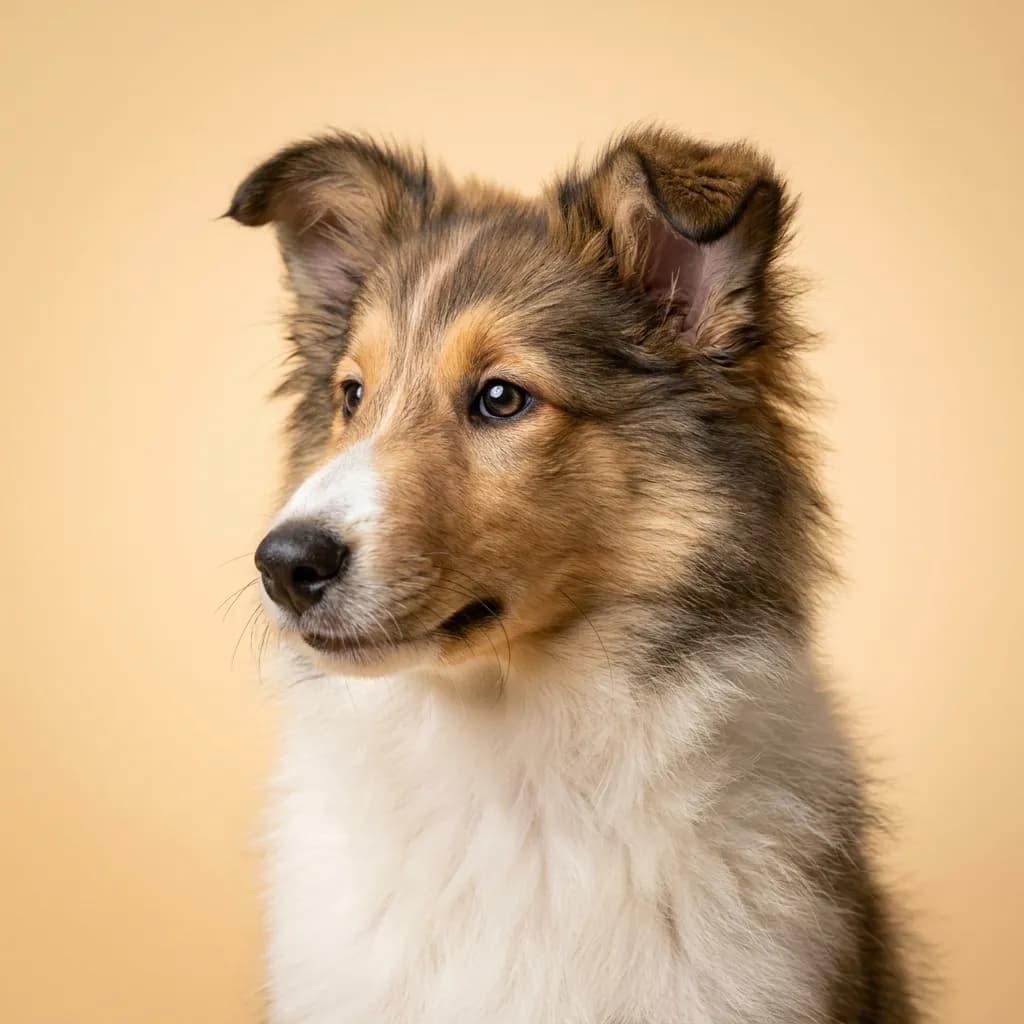
You don’t see Collies and Russian Tsvetnaya Bolonkas in the same conversation often, but when you do, it’s usually someone torn between a dream of a family dog that’s either noble and active or tiny and affectionate. These breeds get compared by people who want a loyal, intelligent companion but are wrestling with lifestyle reality. space, time, energy level. One is a herding poet from the Scottish Highlands, the other a sprightly lapdog bred for Soviet aristocrats. They’re both smart and devoted, but that’s where the overlap ends. The Collie is the family anchor. At 50 to 75 pounds, it needs room to move, a yard to patrol, and someone who’s home enough to give it purpose. It’s great with kids, yes, but don’t mistake its grace for laziness. This dog watches, listens, and barks. constantly. If you’re gone eight hours a day, it’ll either be anxious or bored, possibly both. And that coat? Weekly brushing isn’t enough. You’ll be vacuuming daily. The Bolonka, under 11 pounds, fits in a tote bag. It’s quiet compared to the Collie. not silent, but more selective. It bonds intensely with one or two people and can be wary with kids who move too fast. But it’s non-shedding, making it a real option for allergy sufferers, and thrives in apartments because its energy is bursts, not marathons. Here’s the truth beyond the data: the Collie wants to work with you, even if it’s just learning tricks. The Bolonka just wants to be near you. Pick the Collie if you want a partner. Pick the Bolonka if you want a shadow. One is a co-star in your life. The other is your biggest fan.
Trait-by-trait
Higher bar = more of that trait. Shedding, barking, drooling, grooming flipped for readability.Where they diverge
Choose the Collie if…
- Families with children
- Active individuals
- Homes with a yard
- You value good with young children — Collie scores noticeably higher.
Choose the Russian Tsvetnaya Bolonka if…
- Apartment living
- Seniors
- Families with gentle children
- You value affectionate w/ family — Russian Tsvetnaya Bolonka scores higher here.