Collie vs Swedish Lapphund
Side-by-side comparison across all 14 AKC trait ratings, with a clear verdict on which breed fits which kind of household.
Not sure which breed fits your life?
Answer five questions about your home, your schedule, and your tolerance for shedding. We’ll match you to your top three breeds from over 200.
Collie vs Swedish Lapphund
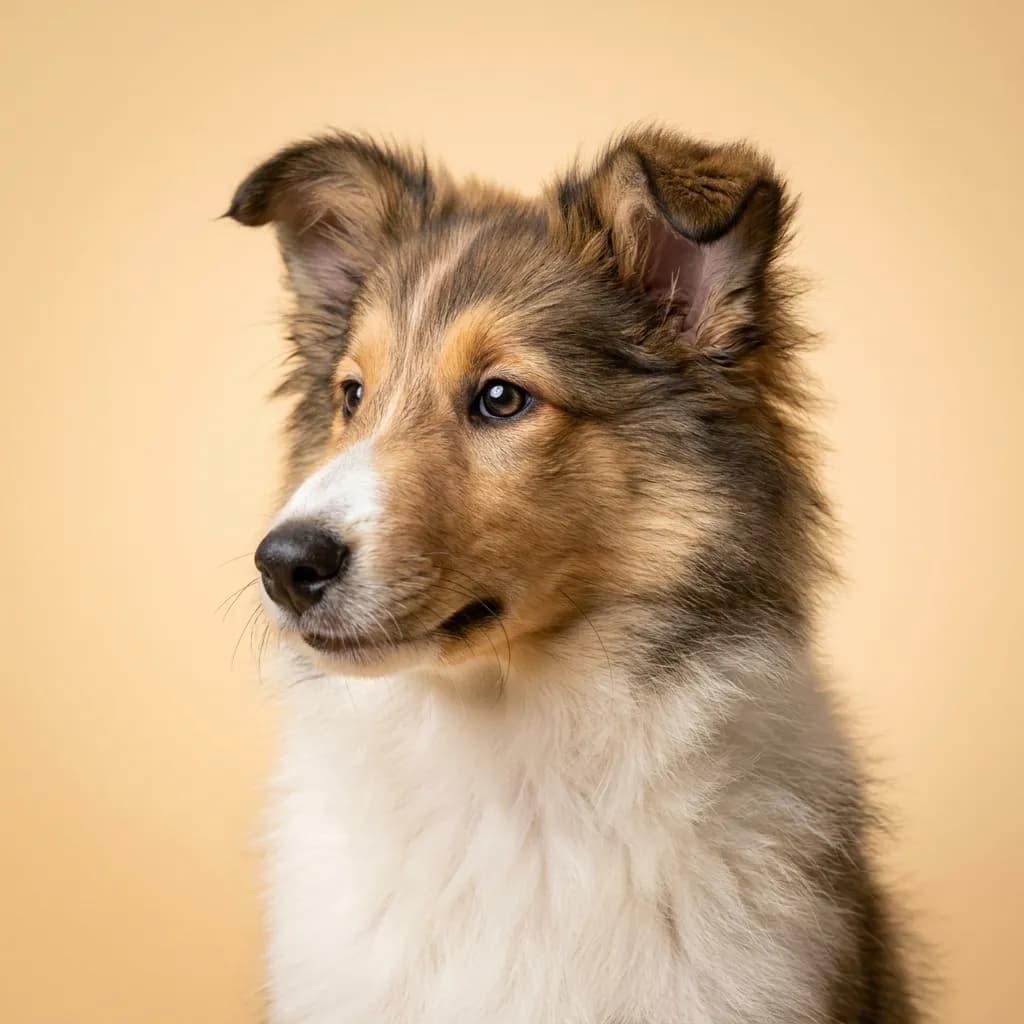
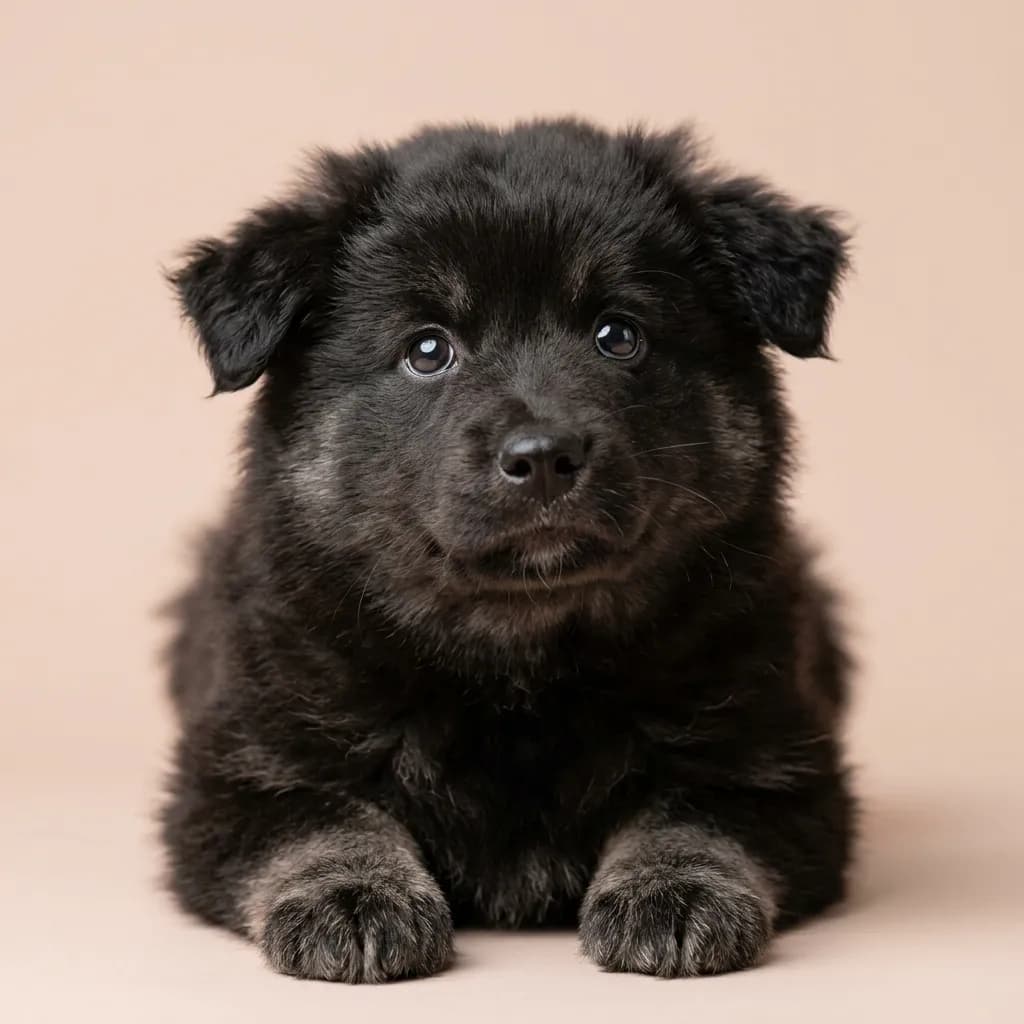
People compare Collies and Swedish Lapphunds because both are medium-sized, fluffy, intelligent herding dogs with a noble air and family-friendly reputations. But beyond the fluff, they’re built for very different lives. The Collie is the classic family companion. You’ve seen her in movies. graceful, soft-eyed, deeply in tune with people. She thrives on routine, adores kids, and will follow you from room to room like a furry shadow. She’s moderately energetic but doesn’t demand intense activity. A daily walk and some playtime satisfy her. She’s also a talker. expect barking at delivery people, squirrels, maybe your toaster. And yes, she sheds, but not constantly. Her long coat needs regular brushing, but it’s manageable. She’s great for first-time owners who want a loyal, trainable dog that fits into a suburban life. The Swedish Lapphund is a different kind of alert. Bred in the Arctic to work with reindeer, he’s compact, sprightly, and wired for cold weather. He’s more intense, more vocal in a sharp, watchful way, and needs real mental and physical challenges. Dog sports? He’ll excel. Couch potato life? He’ll get bored and bark. He bonds deeply with his family but can be reserved with kids. great with older, respectful ones, less so with toddlers who pull ears. He’s not a city dog. He needs space, winter, and a job. Here’s the real difference: the Collie wants to please you quietly; the Lapphund wants to partner with you in something meaningful. If you want a gentle, adaptable family anchor, go Collie. If you’re active, live in a colder climate, and want a dog that feels like a tiny, intense teammate, the Lapphund could be magic. Just don’t expect quiet evenings.
Trait-by-trait
Higher bar = more of that trait. Shedding, barking, drooling, grooming flipped for readability.Where they diverge
Choose the Collie if…
- Families with children
- Active individuals
- Homes with a yard
- You value good with young children — Collie scores noticeably higher.
Choose the Swedish Lapphund if…
- Active families
- Cold climate households
- Dog sports enthusiasts
- You value affectionate w/ family — Swedish Lapphund scores higher here.