Croatian Sheepdog vs Samoyed
Side-by-side comparison across all 14 AKC trait ratings, with a clear verdict on which breed fits which kind of household.
Not sure which breed fits your life?
Answer five questions about your home, your schedule, and your tolerance for shedding. We’ll match you to your top three breeds from over 200.
Croatian Sheepdog vs Samoyed
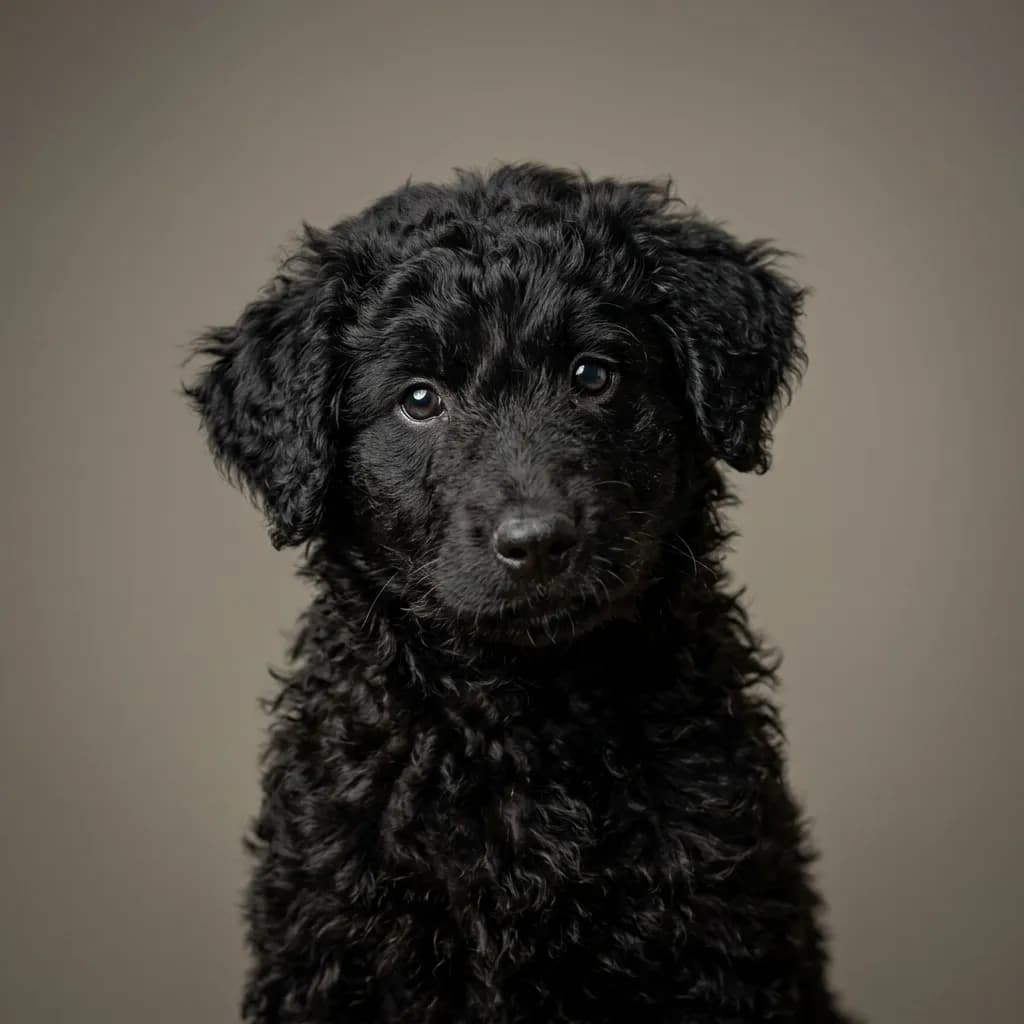
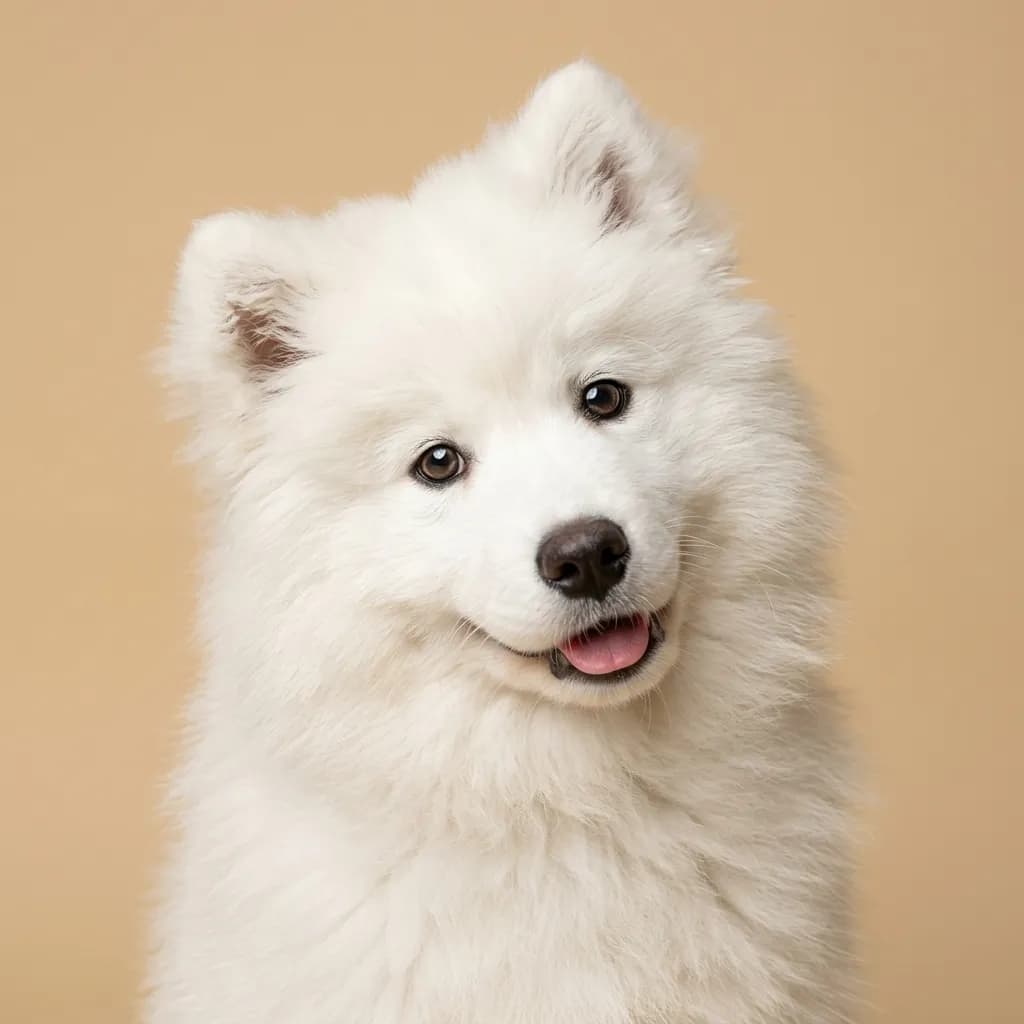
You don’t see Croatian Sheepdogs and Samoyeds squared off often, but when someone’s torn between them, I get it. Both are medium to large, fluffy, intelligent dogs with herding roots and a smile that makes you say “aww” . especially the Samoyed’s famous “Sammy grin.” But that’s where the cute ends and the real differences kick in. The Croatian Sheepdog is a lean, agile worker built for motion. At 29 to 44 pounds, it’s lighter and more compact than the Samoyed, which can pack 65 pounds of solid fluff. Both need activity, but the Croatian thrives on purpose . think farm work, agility, or long trail hikes. It’s loyal to its family, alert to its surroundings, and won’t bark just for fun. The Samoyed, though? That bark is part of the package. Bred to communicate with humans in the Arctic, it’s vocal, often chatty, and will “talk” to you all day if you let it. Grooming is where reality hits. Yes, the Croatian sheds less and is easier to maintain, but the Samoyed? That glorious white coat demands brushing . like, several times a week . and still blows out in clouds twice a year. And don’t try keeping a Samoyed in Phoenix. It’s not just hot weather; it’s torture. The Croatian handles warmth better, though neither is lazy. Here’s what the data won’t tell you: the Samoyed wants to be part of every decision you make. It’s not just affectionate . it’s emotionally involved. The Croatian is deeply bonded too, but more like a trusted partner than a constant shadow. Pick the Croatian if you want an agile, slightly reserved athlete for farm life or dog sports. Choose the Samoyed if you live in a cold climate, love a social butterfly, and don’t mind a dog that treats your home like a sled camp . noisy, fluffy, and full of opinions.
Trait-by-trait
Higher bar = more of that trait. Shedding, barking, drooling, grooming flipped for readability.Where they diverge
Choose the Croatian Sheepdog if…
- active families
- herding and farm work
- agility and dog sports
- You value drooling level — Croatian Sheepdog scores noticeably higher.
Choose the Samoyed if…
- Active families
- Cold climate households
- Dog sports enthusiasts
- You value good with strangers — Samoyed scores higher here.