Danish-Swedish Farmdog vs Keeshond
Side-by-side comparison across all 14 AKC trait ratings, with a clear verdict on which breed fits which kind of household.
Not sure which breed fits your life?
Answer five questions about your home, your schedule, and your tolerance for shedding. We’ll match you to your top three breeds from over 200.
Danish-Swedish Farmdog vs Keeshond
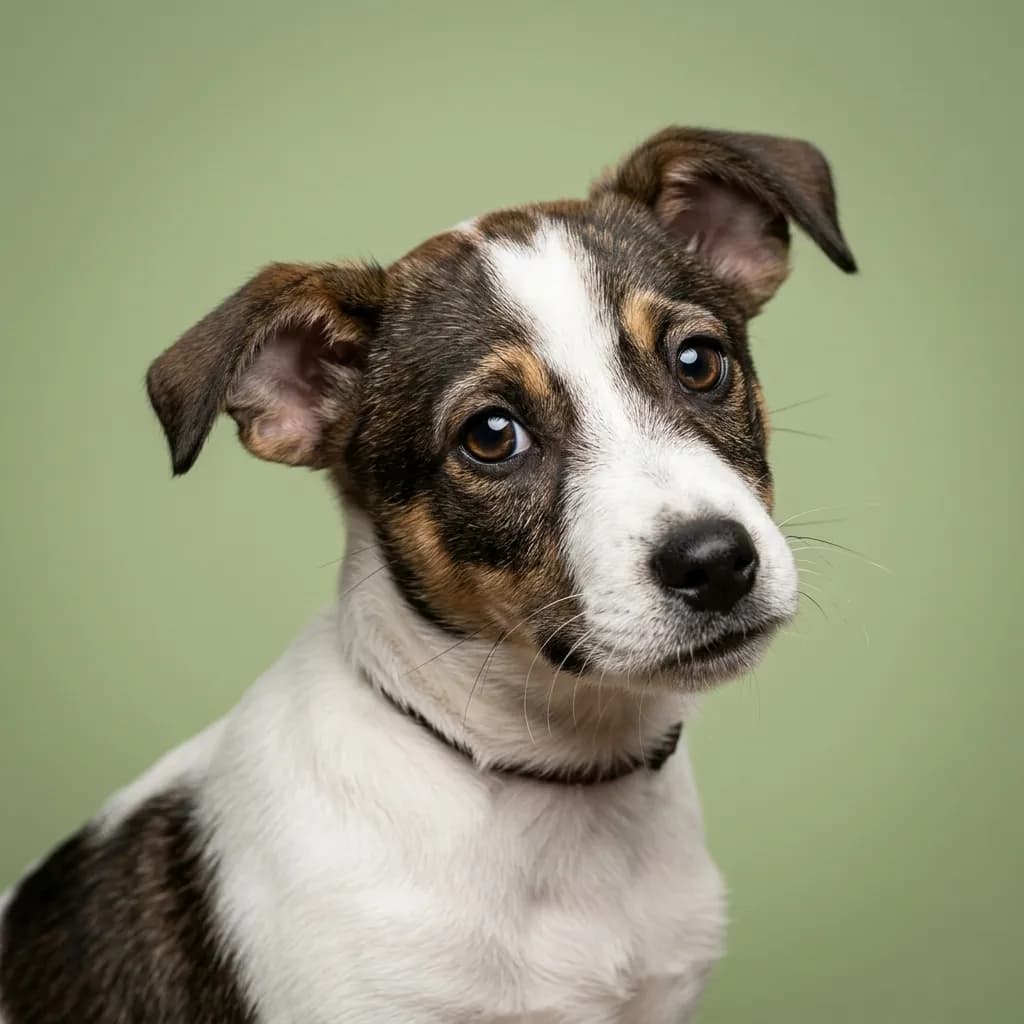
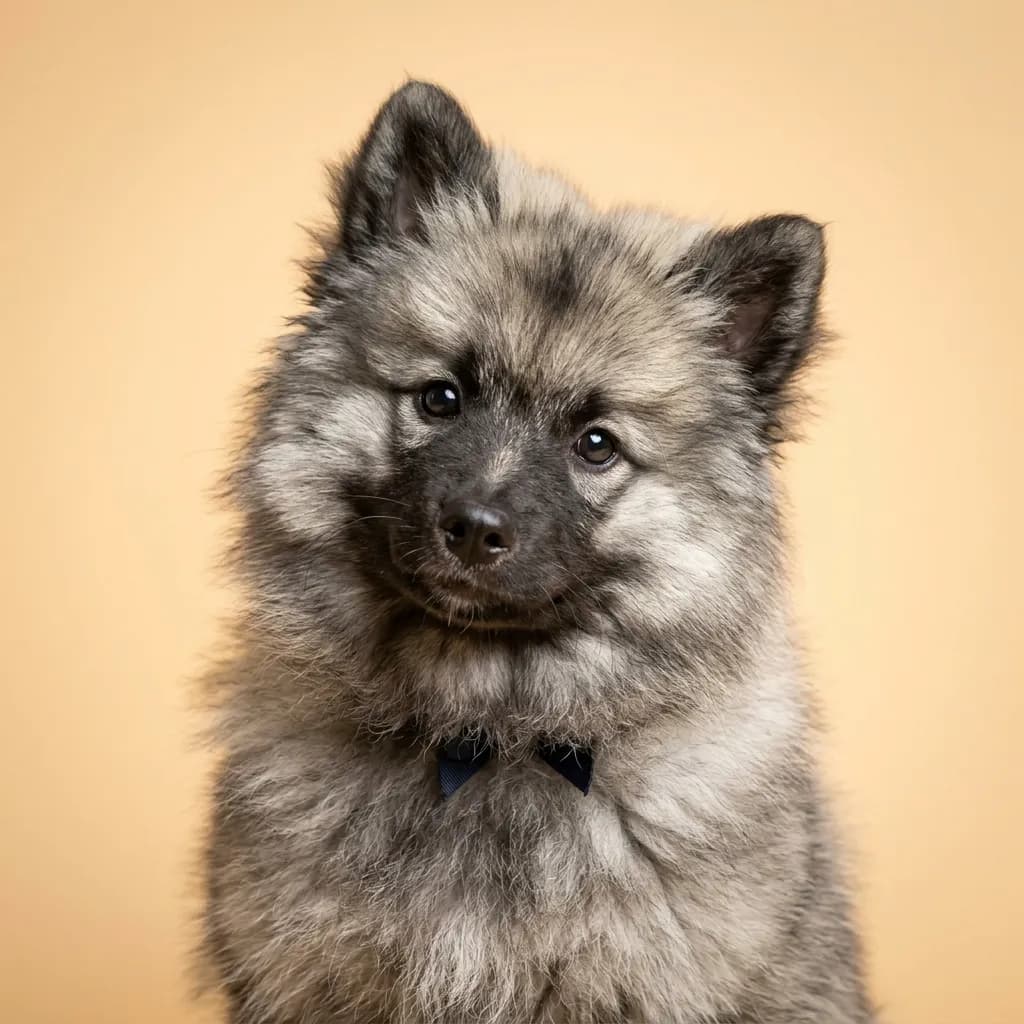
You’re not going to find these two dogs hanging out together at the dog park unless someone’s making a “fluffy vs. compact” meme. But people compare the Danish-Swedish Farmdog and the Keeshond because both are friendly, family-oriented breeds with foxlike faces and tails curled over their backs. That’s where the similarities end. The Farmdog is the agile, no-nonsense pest controller from Scandinavian barns. At 15 to 20 pounds, it’s small enough to squeeze into tight spaces but bold enough to take on rats. It’s eager to learn and thrives with active families who’ll play fetch, do agility, or just involve them in daily life. They’re quiet for their size. bark when needed, not constantly. and shed barely enough to notice. But don’t be fooled by their size. They need real engagement. A bored Farmdog will rearrange your sock drawer just to feel useful. The Keeshond, meanwhile, is the plush, smiling “Dutch gentleman” of the barge dogs. Double the weight, double the fluff, and double the vocal tendencies. They’re deeply affectionate and intuitive to family moods, often shadowing their favorite person from room to room. But that thick coat? It’s a year-round shedding machine and a heat magnet. You’ll brush often and avoid summer hikes in warm climates. Here’s the real difference: the Farmdog is a lean, alert teammate who happens to love kids. The Keeshond is a full-on emotional support companion with opinions on every visitor. If you want a compact, low-maintenance (except mentally) partner for an active life, go Farmdog. If you want a fluffy, expressive heart-dog who’ll bond fiercely and don’t mind fur on everything, the Keeshond’s your match. Just know. both will steal your seat the second you get up.
Trait-by-trait
Higher bar = more of that trait. Shedding, barking, drooling, grooming flipped for readability.Where they diverge
Choose the Danish-Swedish Farmdog if…
- Active families
- Families with children
- Apartment living (with exercise)
Choose the Keeshond if…
- Families with children
- Active owners
- Cold climates
- You value coat grooming — Keeshond scores higher here.