Drever vs Irish Wolfhound
Side-by-side comparison across all 14 AKC trait ratings, with a clear verdict on which breed fits which kind of household.

Not sure which breed fits your life?
Answer five questions about your home, your schedule, and your tolerance for shedding. We’ll match you to your top three breeds from over 200.
Drever vs Irish Wolfhound
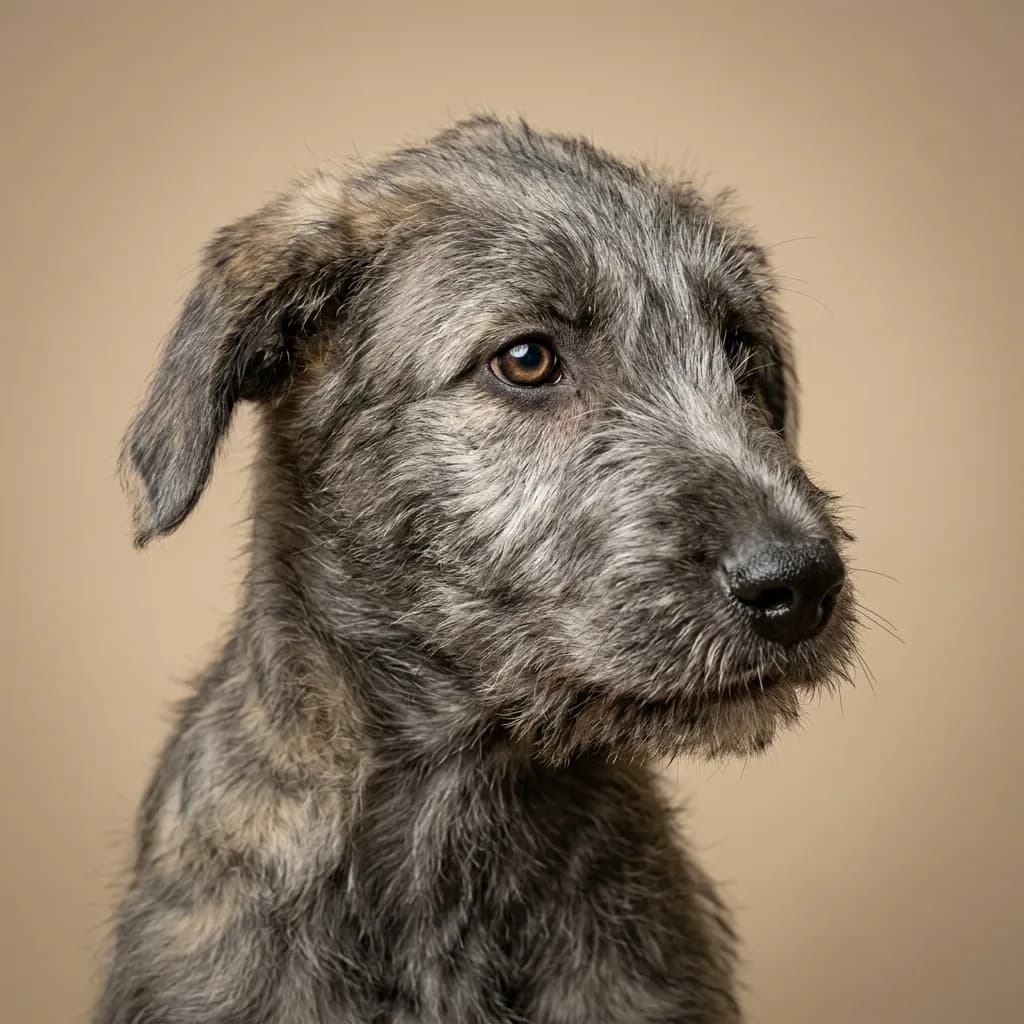
You’re probably not cross-shopping a deer-hunting Viking dog and a gentle giant bred to take down wolves. unless you’ve fallen down the hound rabbit hole and started wondering how size, purpose, and soul collide. The Drever and Irish Wolfhound both fall under the broad hound umbrella, but that’s where the similarities end. One fits in a Subaru hatchback, the other needs its own ZIP code. The Drever is a compact, high-drive scent hound from Sweden, built to work cold forests and move game. At 12 to 15 inches tall and under 40 pounds, it’s small enough to hike with, but don’t be fooled. This dog has lungs, purpose, and a baying voice that’ll carry across valleys. It’s brilliant to train, adores kids, and thrives with active owners who hunt, trail run, or do scent games. But it needs space, a secure yard, and a job. or you’ll get a loud, stubborn nuisance. The Irish Wolfhound is the opposite kind of commitment. Towering at over 30 inches and weighing up to 120 pounds, it’s a peaceful giant with a heart like a furnace. Despite its size, it’s quiet, dignified, and surprisingly low-energy indoors. But it’s not a forever dog. With a lifespan of just 6 to 8 years, bringing one home means loving deeply and saying goodbye too soon. It’s not the best with small kids due to its sheer mass, and its medical risks. especially bloat and heart disease. mean vet bills can soar. Here’s the real talk: the Drever is for people who want a working partner with big dog energy in a small frame. The Irish Wolfhound? You’re not getting a pet. You’re signing up for a short, profound love story with a creature that walks like a king and leaves a hole no dog can fill. Choose the Drever for life on the move. Choose the Wolfhound for life with awe.
Trait-by-trait
Higher bar = more of that trait. Shedding, barking, drooling, grooming flipped for readability.Where they diverge
Choose the Drever if…
- hunters
- active families in cold climates
- outdoor adventurers
- You value barking level — Drever scores noticeably higher.
Choose the Irish Wolfhound if…
- Families with space
- Gentle companion seekers
- Owners with large homes
- You value watchdog / protective — Irish Wolfhound scores higher here.