Dutch Shepherd vs Samoyed
Side-by-side comparison across all 14 AKC trait ratings, with a clear verdict on which breed fits which kind of household.

Not sure which breed fits your life?
Answer five questions about your home, your schedule, and your tolerance for shedding. We’ll match you to your top three breeds from over 200.
Dutch Shepherd vs Samoyed
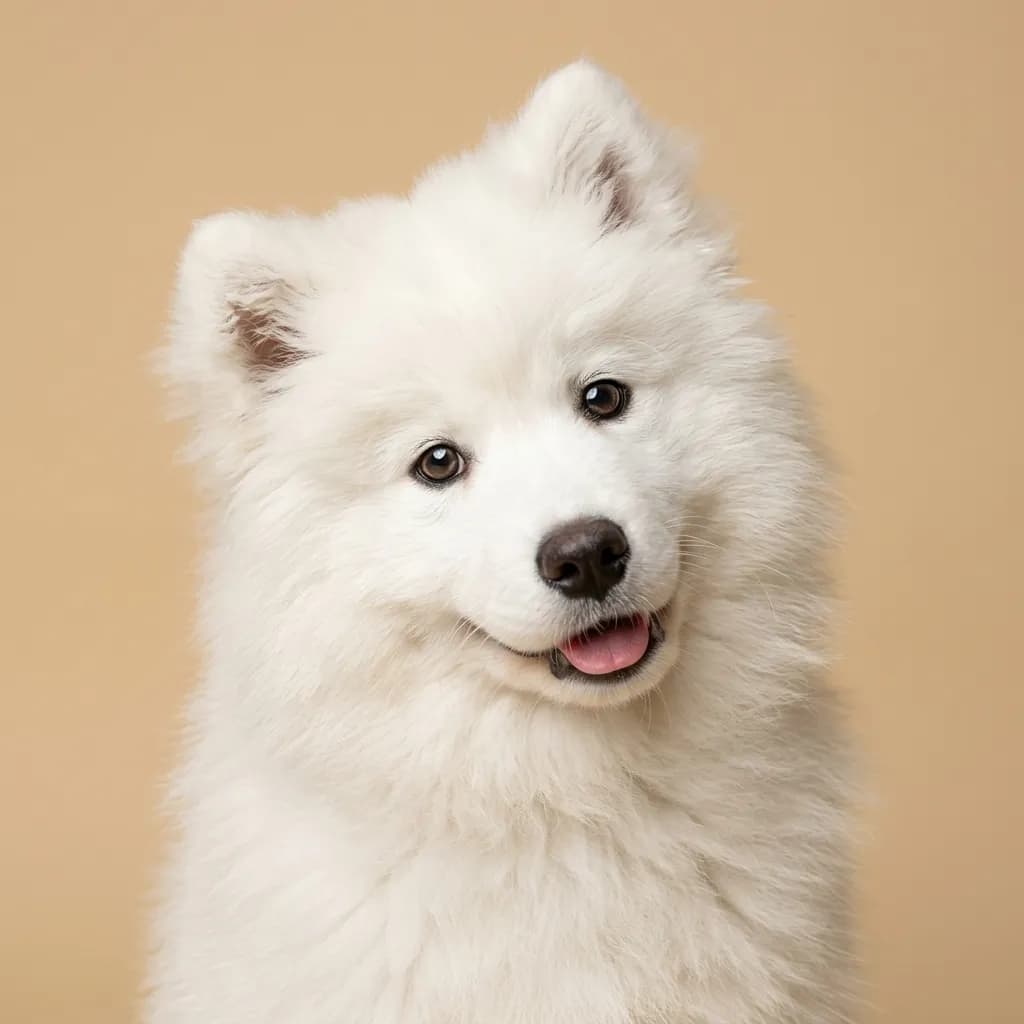
You’re probably comparing a Dutch Shepherd and a Samoyed because they’re both striking, medium to large dogs with thick double coats and a work ethic bred into their bones. Maybe you want a loyal companion who can keep up with an active lifestyle, but you’re torn between a driven athlete and a fluffy charmer. Here’s the real difference: one wants to work for you, the other wants to live with you. The Dutch Shepherd is a high-octane problem solver. Think of a border collie with muscles and a mission. Bred to herd sheep and now used in police and military roles, this dog needs a job, or it’ll invent one. like reorganizing your backyard or barking at squirrels with laser focus. It’s incredibly smart and trainable, but that means it notices everything and won’t tolerate sloppy leadership. You’ll need time for intense physical and mental workouts. Kids aren’t a dealbreaker, but their chaos can stress this breed out. It’s affectionate, but on its terms. The Samoyed, in contrast, is the social butterfly with a smile. Bred to pull sleds and herd reindeer in Siberia, it thrives on companionship. It’s friendly with everyone, adores kids, and will follow you from room to room just to be near you. But that bark? It’s not a warning. it’s a conversation. And that gorgeous coat? It sheds year-round and blows its undercoat twice a year like a snowstorm in your living room. Grooming isn’t optional. It’s a commitment. Here’s the insight no breeder will lead with: the Dutch Shepherd won’t forgive inexperience, but the Samoyed won’t forgive loneliness. Pick the Dutch Shepherd if you want a partner in purpose. Pick the Samoyed if you want a furry therapist who happens to bark at the mailman.
Trait-by-trait
Higher bar = more of that trait. Shedding, barking, drooling, grooming flipped for readability.Where they diverge
Choose the Dutch Shepherd if…
- Active individuals
- Experienced dog owners
- Police and military work
- You value drooling level — Dutch Shepherd scores noticeably higher.
Choose the Samoyed if…
- Active families
- Cold climate households
- Dog sports enthusiasts
- You value barking level — Samoyed scores higher here.