Finnish Lapphund vs Keeshond
Side-by-side comparison across all 14 AKC trait ratings, with a clear verdict on which breed fits which kind of household.
Not sure which breed fits your life?
Answer five questions about your home, your schedule, and your tolerance for shedding. We’ll match you to your top three breeds from over 200.
Finnish Lapphund vs Keeshond
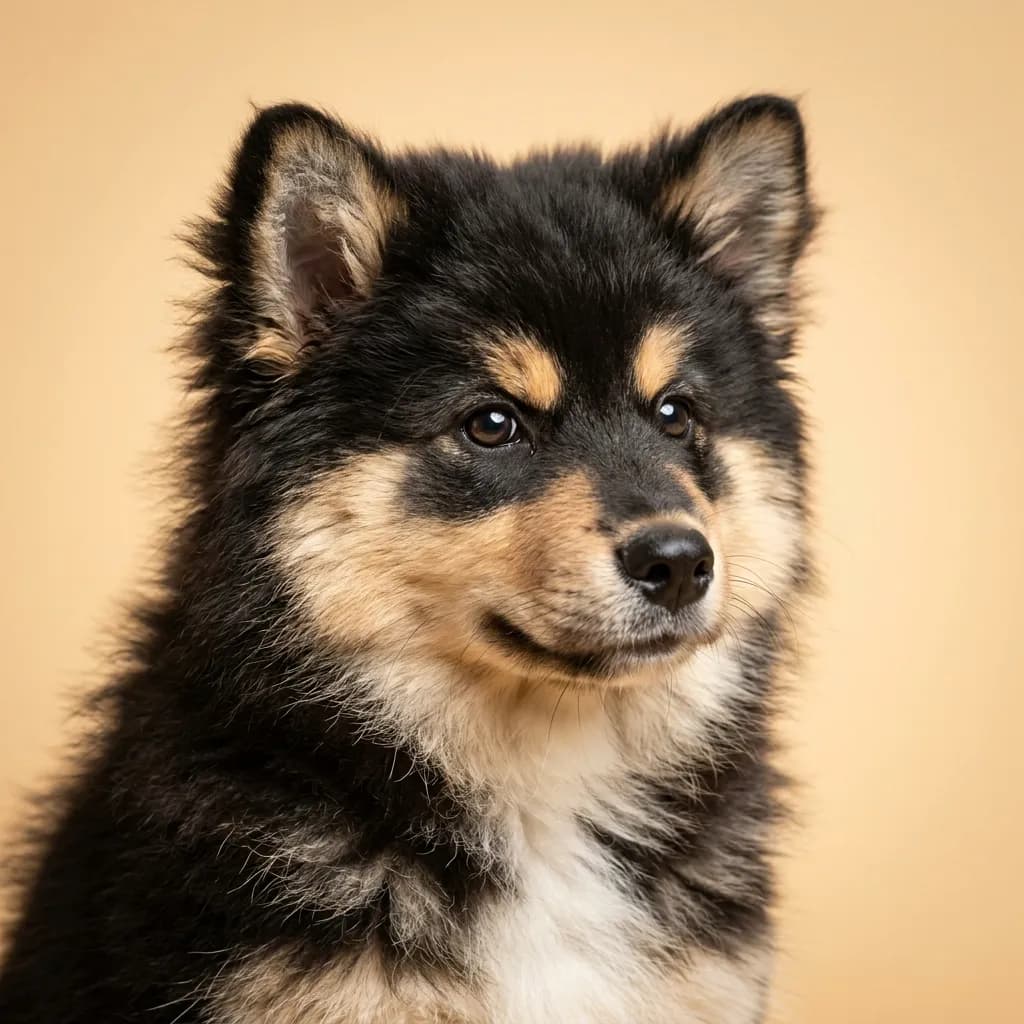
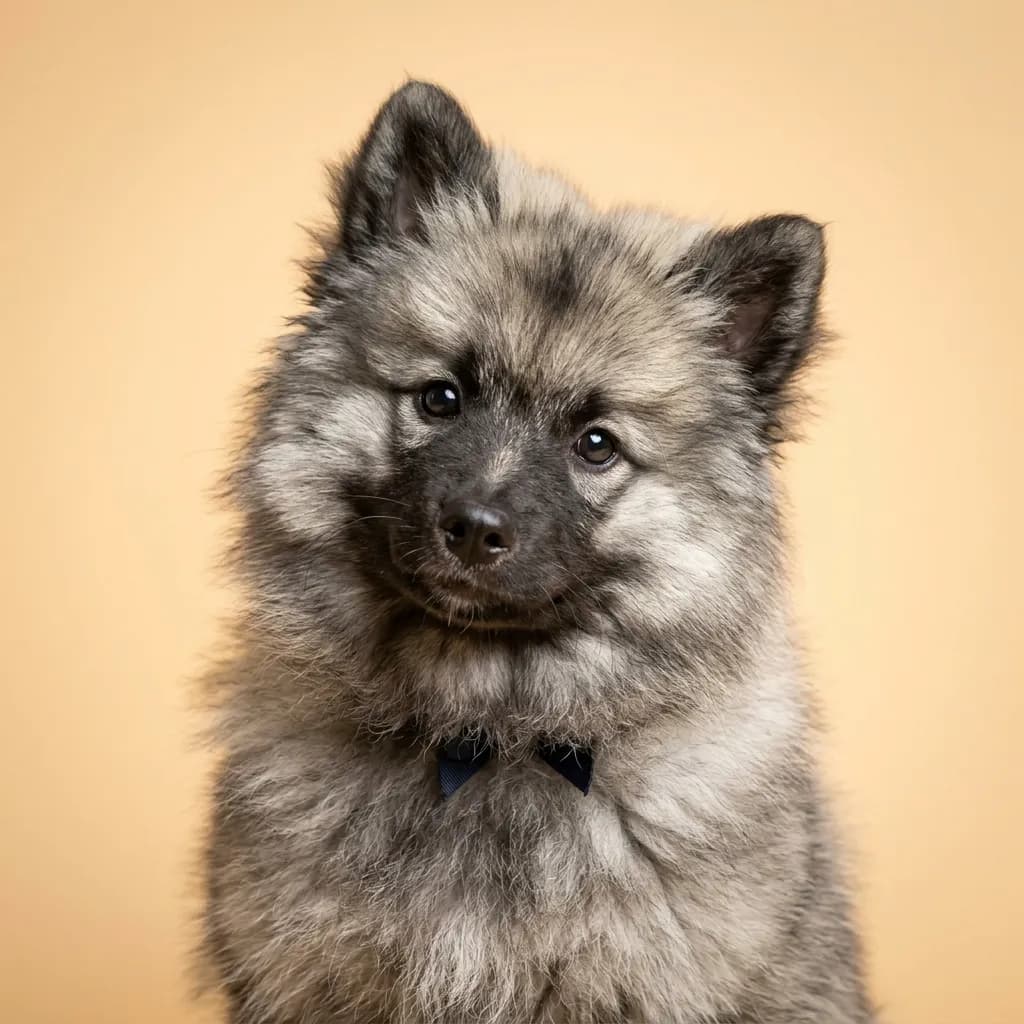
People compare Finnish Lapphunds and Keeshonds because they look like cousin breeds. fluffy, smiling northern dogs with fox faces and curled tails over their backs. They’re both friendly, great with kids, and thrive in cold weather. But if you’re choosing between them, the real difference isn’t in their looks. It’s in their rhythm. The Lapphund is the quiet reindeer herder from the Arctic tundra, built for endurance. They’re a bit leaner, a touch taller, and more independent than they first appear. Yes, they’re affectionate, but they don’t glue themselves to you. They’re happy working a trail or patrolling a yard, and they bark. constantly. Five out of five isn’t an exaggeration. If you live in a quiet neighborhood or hate random alert barks, this isn’t the dog for you. They shed heavily and need space to move, but they’re surprisingly good for first-time owners who are active and want a dog that’s both trainable and self-reliant. The Keeshond, on the other hand, is the social butterfly of the barge docks. They’re compact, lively, and crave involvement in everything you do. They’re more adaptable to apartment living. if you’re home often. and while they bark, it’s usually with purpose. They bond deeply with families and are slightly easier to train, scoring higher in mental stimulation needs. They shed less than Lapphunds, but still require weekly brushing. Here’s the insight no one talks about: The Keeshond needs emotional inclusion like oxygen. Ignore them, and they’ll develop anxiety or nuisance behaviors. The Lapphund just wants a job and a cold climate. Pick the Keeshond if your home is full of chatter and activity. Pick the Lapphund if you hike, live up north, and don’t mind a vocal guardian.
Trait-by-trait
Higher bar = more of that trait. Shedding, barking, drooling, grooming flipped for readability.Where they diverge
Choose the Finnish Lapphund if…
- Active families
- Cold climates
- First-time owners
- You value shedding level — Finnish Lapphund scores noticeably higher.
Choose the Keeshond if…
- Families with children
- Active owners
- Cold climates
- You value good with other dogs — Keeshond scores higher here.