Finnish Spitz vs Samoyed
Side-by-side comparison across all 14 AKC trait ratings, with a clear verdict on which breed fits which kind of household.

Not sure which breed fits your life?
Answer five questions about your home, your schedule, and your tolerance for shedding. We’ll match you to your top three breeds from over 200.
Finnish Spitz vs Samoyed
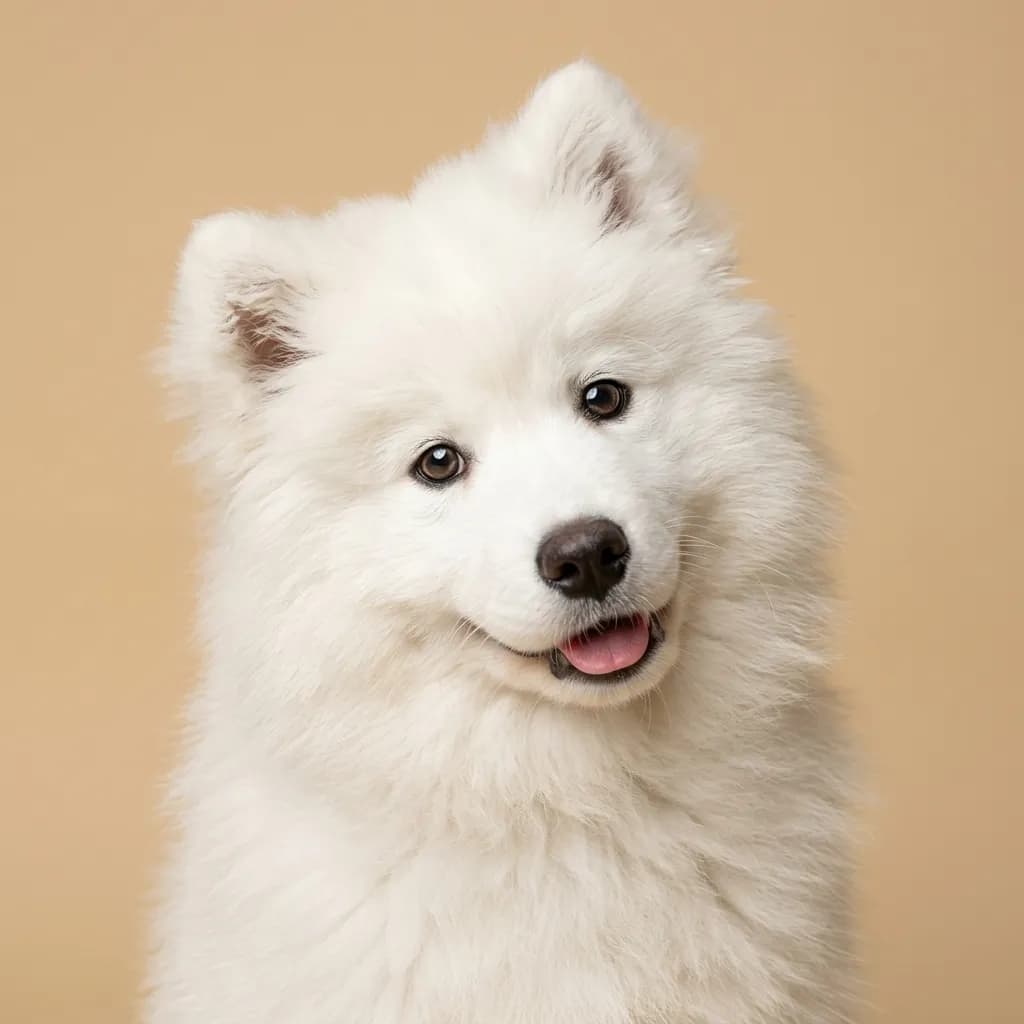
People compare Finnish Spitz and Samoyeds because they’re both fluffy, white, northern breeds that look like they stepped out of a snow globe. They’ve got that joyful, people-loving vibe and a bark that won’t quit. But that’s where the similarities pretty much end. Choosing between them isn’t just preference. it’s lifestyle. The Finnish Spitz is a compact hunter built for agility and alertness. At just 20 to 33 pounds, it’s light on its feet and big on personality. This dog doesn’t just bark. it sings, using its famous "bark chorus" to signal prey, which means you’ll never miss a squirrel in your yard. It’s energetic and clever, needing daily mental puzzles and off-leash hikes to stay sane. Great with older kids, but not so great in apartments or for light sleepers. The Samoyed is a different beast. literally. At 35 to 65 pounds, it’s a sturdy working dog bred to pull and herd in brutal cold. Fluffy beyond belief, it’s a one-person deep clean waiting to happen. That thick coat demands brushing every other day, not just weekly. It’s slightly easier to train than the Finnish Spitz, loves dog sports, and thrives in active families who embrace grooming as a bonding ritual. If you’re in a hot climate or want a quiet home, skip both. But if you’ve got space, energy, and don’t mind a vocal housemate, the Finnish Spitz suits someone who values independence and hunting instinct. The Samoyed? Pick it if you want a loyal, social partner in crime. someone who’ll smile at strangers and look stunning doing it. Here’s the real talk: both bark a lot, but the Finnish Spitz barks with purpose. It’s not just noise. it’s conversation. You’re not just adopting a dog. You’re getting a tiny, furry forest guardian with opinions.
Trait-by-trait
Higher bar = more of that trait. Shedding, barking, drooling, grooming flipped for readability.Where they diverge
Choose the Finnish Spitz if…
- Active owners
- Families with older children
- Cold climates
- You value good with other dogs — Finnish Spitz scores noticeably higher.
Choose the Samoyed if…
- Active families
- Cold climate households
- Dog sports enthusiasts
- You value good with strangers — Samoyed scores higher here.