Flat-Coated Retriever vs Samoyed
Side-by-side comparison across all 14 AKC trait ratings, with a clear verdict on which breed fits which kind of household.

Not sure which breed fits your life?
Answer five questions about your home, your schedule, and your tolerance for shedding. We’ll match you to your top three breeds from over 200.
Flat-Coated Retriever vs Samoyed
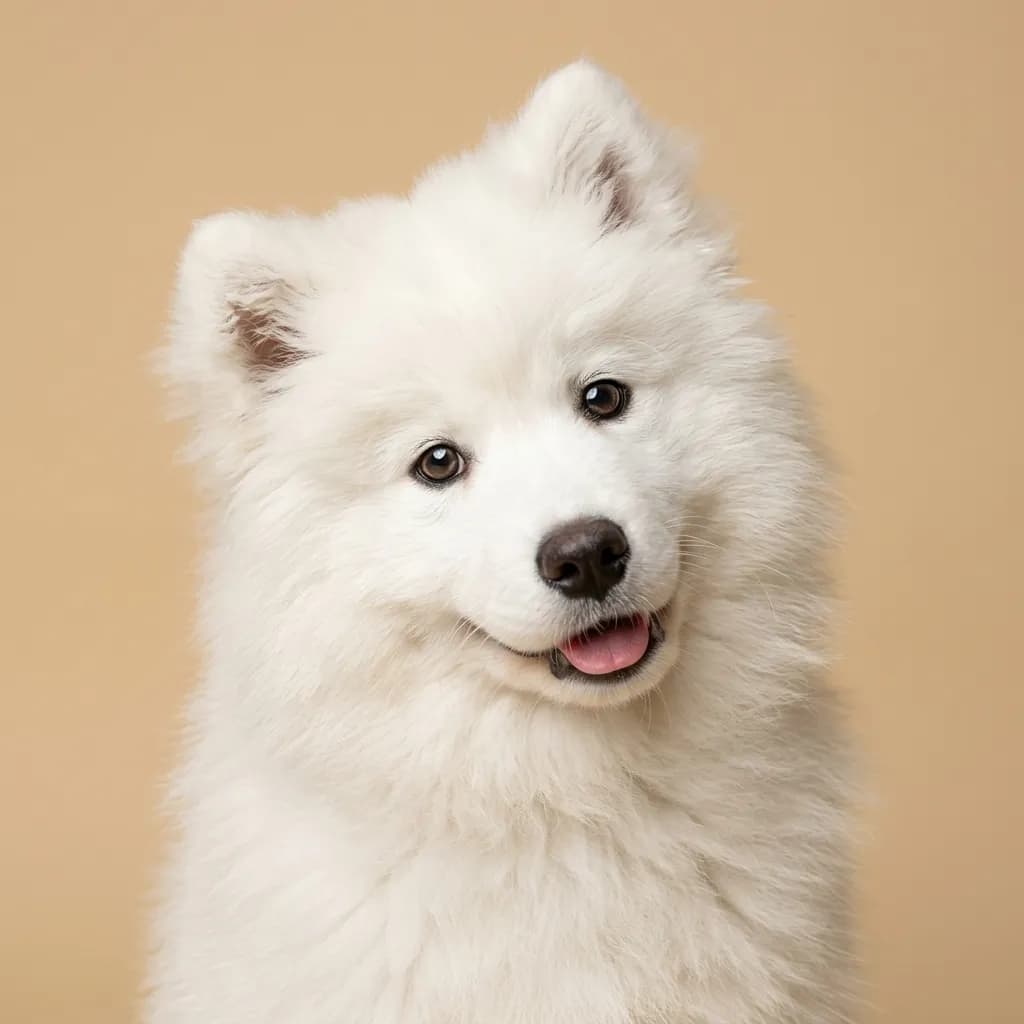
People compare Flat-Coated Retrievers and Samoyeds because both are fluffy, smiley, family-friendly dogs that look like they’d fit right in on a winter postcard. But that’s where the similarity ends. Think of it this way: the Flat-Coat is the energetic athlete built for action, while the Samoyed is the resilient, independent arctic survivor with a flair for drama. If you’re hiking, hunting, or spending weekends at the lake, the Flat-Coated Retriever thrives. It’s a 5/5 on energy and trainability, bred to work all day in the field, and it’ll shadow you with a goofy grin. But it has a shorter lifespan. 8 to 10 years. and a higher risk for serious cancers like histiocytic sarcoma. You’ll need space, activity, and a vet you trust. The Samoyed, on the other hand, is built for endurance, not agility. It’s slightly smaller on average but carries thick double-coat fluff that demands weekly brushing and seasonal blowouts. They bark more. often, and with purpose. and were bred to alert and communicate, not quietly retrieve. If you live in a hot climate, this dog will struggle. But they live longer, 12 to 14 years, and bring a gentle, adaptable presence to cold-weather homes. Here’s the real insight: the Flat-Coat bonds like a shadow and wants to do what you do. The Samoyed bonds with the whole family and may decide, on principle, that the mailman needs barking at. If you want a partner in adventure, go Flat-Coat. If you want a loyal, fluffy guardian of hearth and home with a bit of independence, the Samoyed’s your dog. Just don’t buy one for the Instagrammable smile alone. both need real commitment.
Trait-by-trait
Higher bar = more of that trait. Shedding, barking, drooling, grooming flipped for readability.Where they diverge
Choose the Flat-Coated Retriever if…
- Active families
- Hunters
- Families with children
- You value good with other dogs — Flat-Coated Retriever scores noticeably higher.
Choose the Samoyed if…
- Active families
- Cold climate households
- Dog sports enthusiasts
- You value barking level — Samoyed scores higher here.