French Spaniel vs Keeshond
Side-by-side comparison across all 14 AKC trait ratings, with a clear verdict on which breed fits which kind of household.

Not sure which breed fits your life?
Answer five questions about your home, your schedule, and your tolerance for shedding. We’ll match you to your top three breeds from over 200.
French Spaniel vs Keeshond
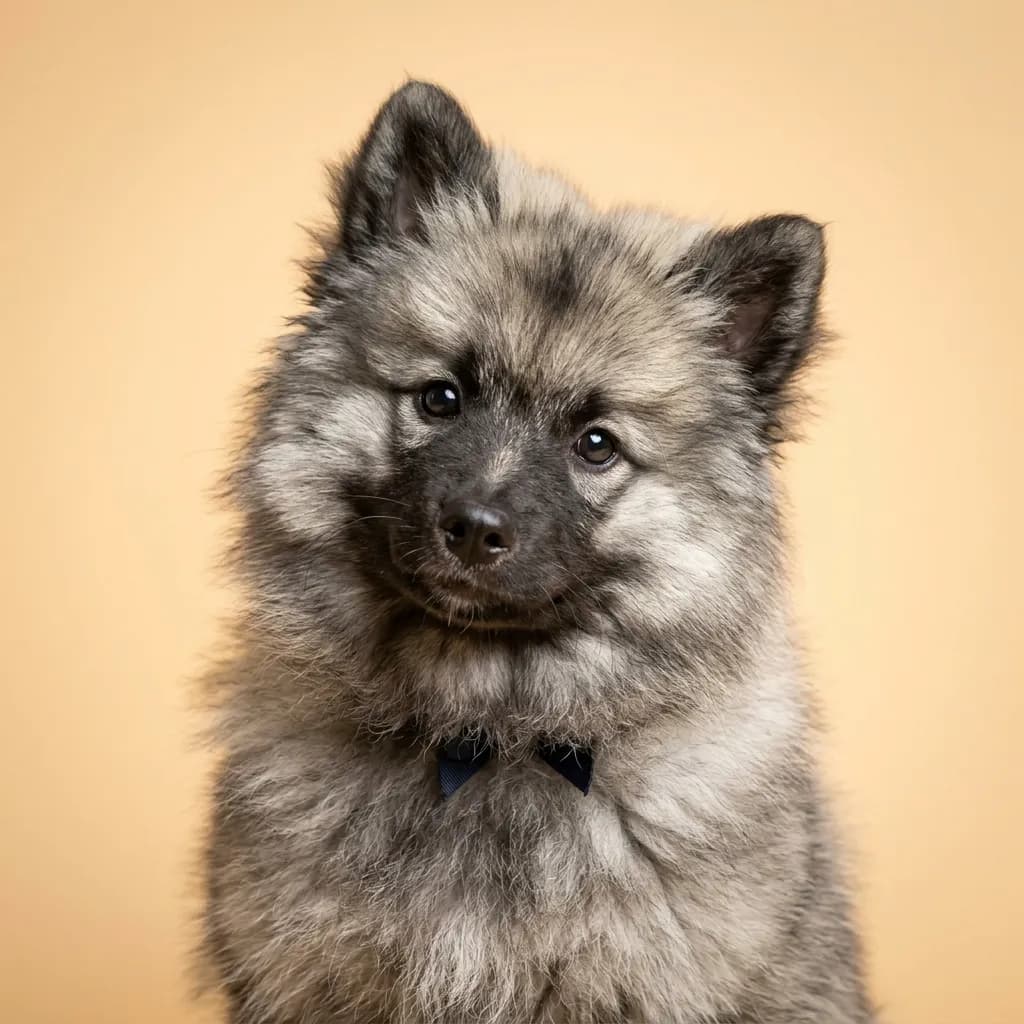
You don’t see a French Spaniel and a Keeshond in a head-to-head showdown every day, but people end up comparing them when they want a medium-sized, family-friendly dog with a big personality and a soft spot for kids. Both are affectionate, trainable, and thrive on companionship. That’s where the similarities start to fade. The French Spaniel is a field dog through and through. Bred to range across wet meadows and dense brush in France, this breed lives for open space and action. If you’re hiking, hunting, or logging miles on rural trails, they’re your partner. They’re gentle with children and deeply loyal, but they need serious daily exercise and mental engagement. Without it, they’ll redecorate your garden or bark out of boredom. They do shed, and their floppy ears need regular cleaning, but their real dealbreaker is location. this isn’t a dog for city apartments or weekend-only adventures. The Keeshond, with its dramatic silver-maned coat and alert expression, was built for barge life on Dutch waterways. less about retrieving ducks, more about sounding the alarm and curling up at your feet. They’re energetic and smart, yes, but their joy comes from being involved in your life, not covering miles. They adapt beautifully to suburban or even city living as long as you’re around. Just know: they bark. A lot. They’re watchdogs by instinct, so quiet evenings in sound-sensitive spaces might be tricky. Here’s the insight no chart tells you: the French Spaniel bonds with the whole family but truly comes alive when working alongside you. The Keeshond? They’ll follow you to the bathroom, then bark at the toaster, because to them, guarding your emotional space matters as much as your physical one. Pick the Spaniel if you live outdoors. Pick the Keeshond if you want a furry shadow who doubles as a snowdog.
Trait-by-trait
Higher bar = more of that trait. Shedding, barking, drooling, grooming flipped for readability.Where they diverge
Choose the French Spaniel if…
- Active hunters
- Families with children
- Outdoors enthusiasts
Choose the Keeshond if…
- Families with children
- Active owners
- Cold climates
- You value coat grooming — Keeshond scores higher here.