Great Pyrenees vs Nova Scotia Duck Tolling Retriever
Side-by-side comparison across all 14 AKC trait ratings, with a clear verdict on which breed fits which kind of household.
Not sure which breed fits your life?
Answer five questions about your home, your schedule, and your tolerance for shedding. We’ll match you to your top three breeds from over 200.
Great Pyrenees vs Nova Scotia Duck Tolling Retriever
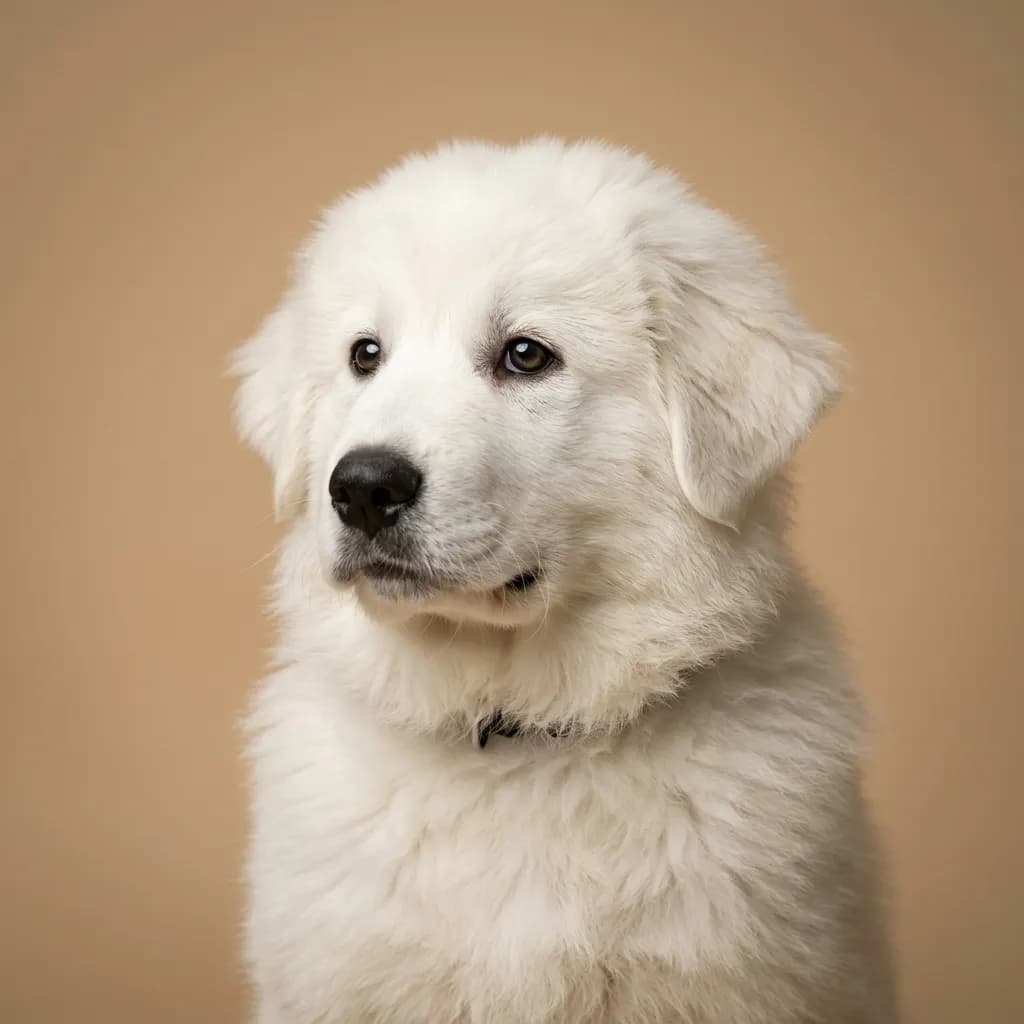
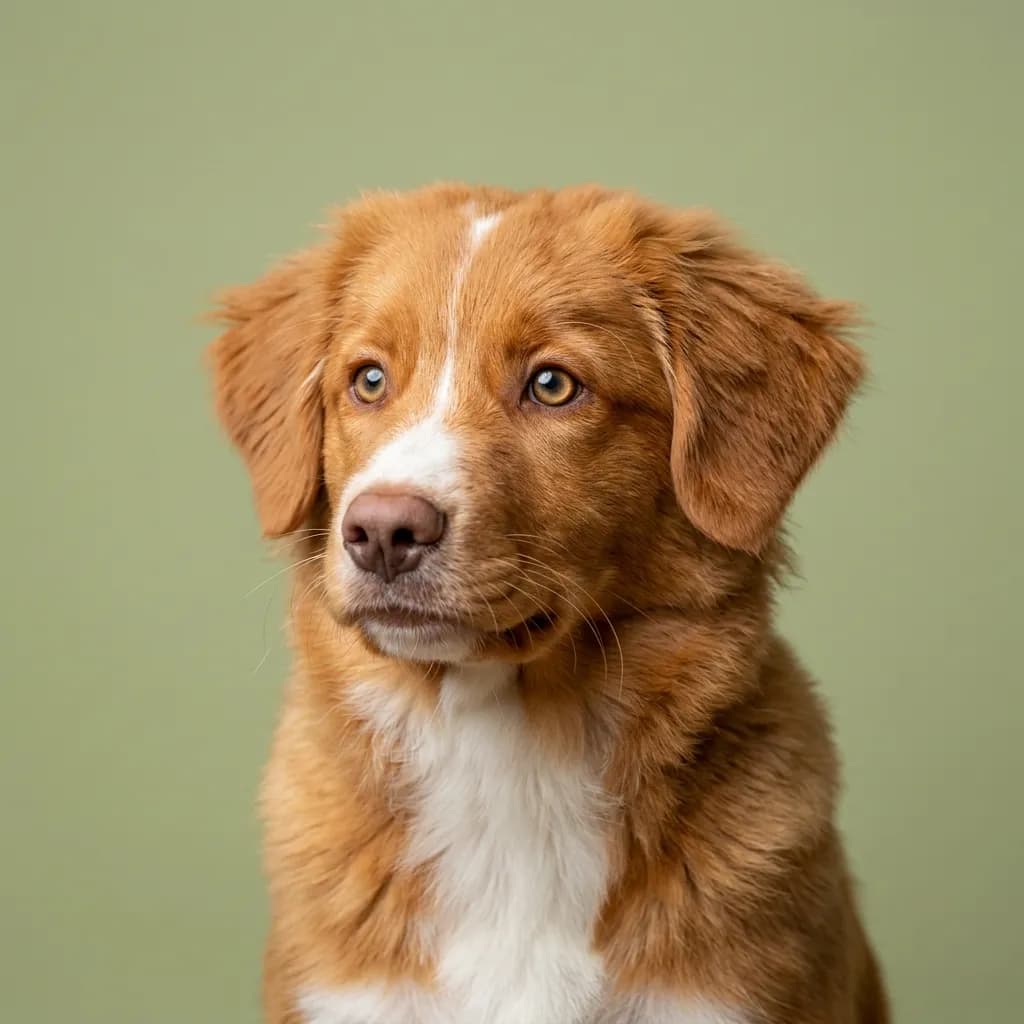
People compare Great Pyrenees and Nova Scotia Duck Tolling Retrievers because both are family-friendly, moderately shedding dogs with strong instincts and deep loyalty. But that’s where the similarities end. These breeds come from opposite corners of the dog world. one bred to stand alone on mountain ridges, the other to work in lockstep with hunters in marshes. If you’re torn between them, you’re really asking: do I want a calm guardian or an energetic partner? The Great Pyrenees is a gentle mountain of a dog, built for cold climates and wide open spaces. At 100 pounds of quiet confidence, they’ll patrol your property with quiet vigilance, bonding deeply with kids and livestock alike. They’re not hyper, but their independence means recall can be a lifelong challenge. You won’t find a more affectionate guardian, but don’t expect a hiking buddy. They’re happiest when they have a job. like watching over your homestead. The Toller, on the other hand, is energy in motion. Compact, agile, and driven, they thrive on activity. Bred to lure ducks within range by playing along shorelines, they’ve got a fox-like charm and a need for mental stimulation. Tollers bond fiercely, excel in obedience and agility, and will happily swim in freezing water for hours. They’re adaptable to smaller homes. if you’re out running trails, kayaking, or training daily. Here’s the real insight: the Pyrenees will love you on their terms. The Toller will change their life to match yours. Pick the breed that fits your rhythm, not just your yard size.
Trait-by-trait
Higher bar = more of that trait. Shedding, barking, drooling, grooming flipped for readability.Where they diverge
Choose the Great Pyrenees if…
- Livestock guardians
- Rural or farm living
- Families with children
- You value watchdog / protective — Great Pyrenees scores noticeably higher.
Choose the Nova Scotia Duck Tolling Retriever if…
- Active families
- Outdoor and water enthusiasts
- Dog sport enthusiasts
- You value good with young children — Nova Scotia Duck Tolling Retriever scores higher here.