Great Pyrenees vs Tosa
Side-by-side comparison across all 14 AKC trait ratings, with a clear verdict on which breed fits which kind of household.
Not sure which breed fits your life?
Answer five questions about your home, your schedule, and your tolerance for shedding. We’ll match you to your top three breeds from over 200.
Great Pyrenees vs Tosa
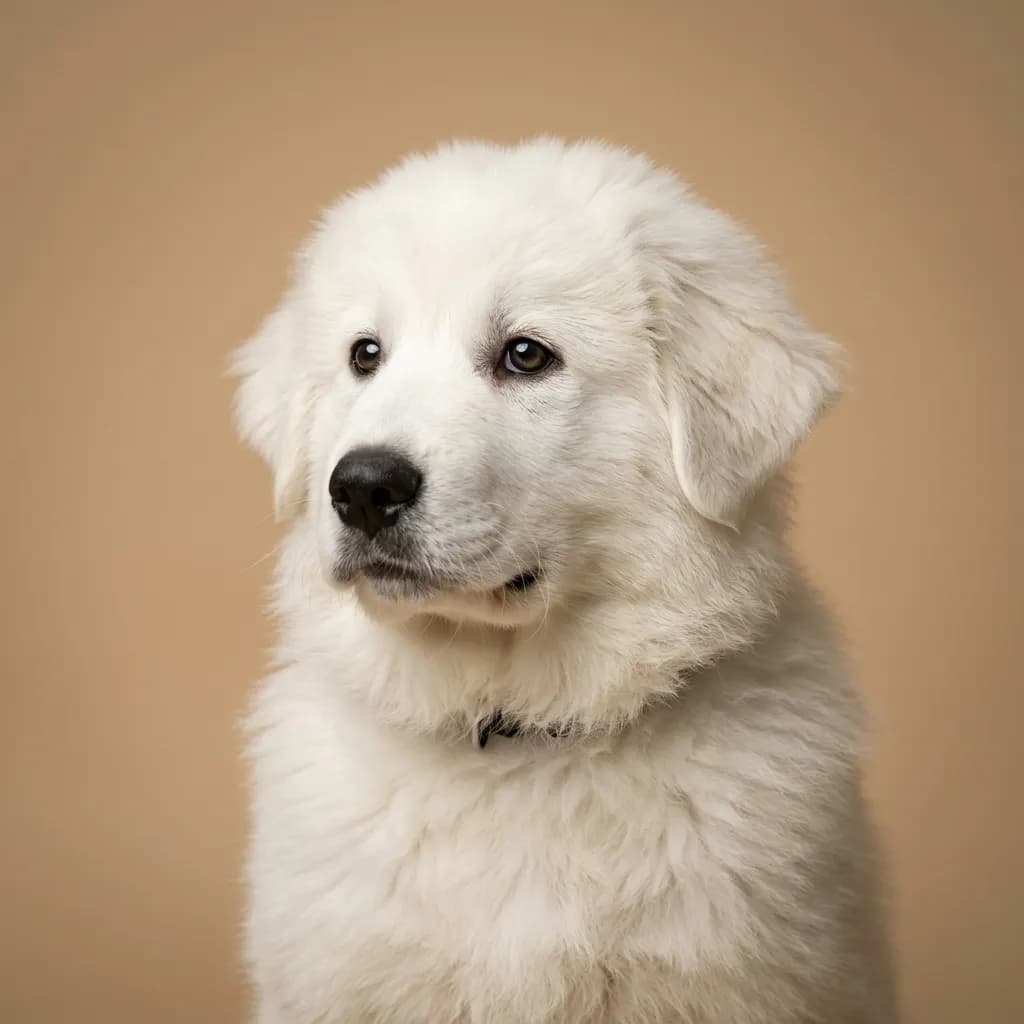
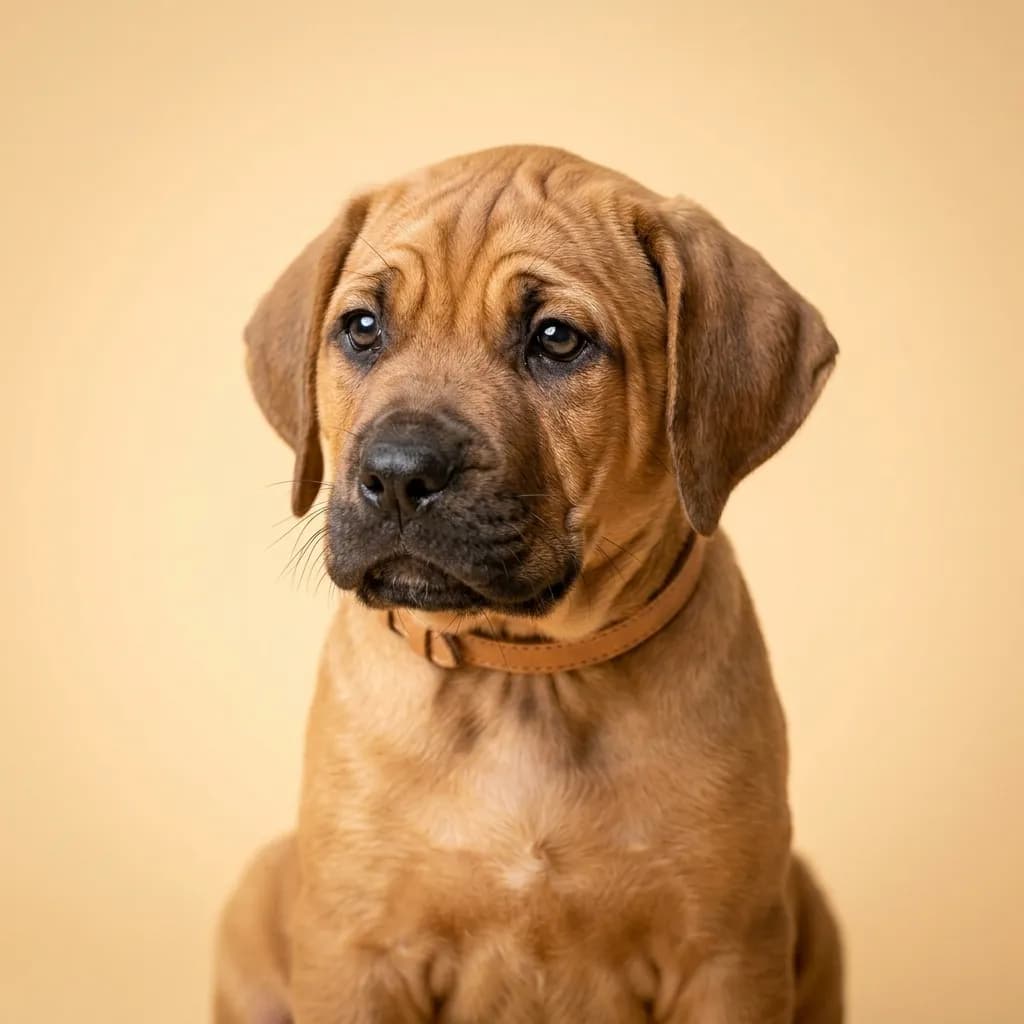
People don’t usually pit the Great Pyrenees against the Tosa unless they’re deep in the world of giant, calm-looking dogs and wondering which gentle mountain they can actually live with. On paper, both are massive, patient, and low-energy enough to lounge beside a hearth all day. But that’s where the similarity ends. because these breeds come from entirely different worlds. The Great Pyrenees was born in the snowcapped mountains, guarding flocks through freezing nights, making them independent thinkers with a strong will and a deep bark that carries for miles. They’re affectionate to a fault with their family, thrive in cold climates, and do best on a farm where they can roam a secure perimeter. But don’t be fooled by their serene expression: they’re not the type to come when called, and apartment life will drive them stir-crazy. The Tosa, on the other hand, carries a heavier history. bred for silent intensity in dog fights in Japan. Today’s Tosa is a quiet, deeply loyal companion, but one that demands experience, space, and ironclad training. They’re less prone to shedding, yes, but more prone to being banned. some countries and insurers won’t touch them. They’re affectionate with their people but aloof with strangers, and their calmness can mask a powerful instinct to protect. Choose the Pyrenees if you want a fluffy, devoted guardian for kids and livestock in a rural setting. Choose the Tosa only if you’re a seasoned handler who understands the weight of owning a rare, powerful breed with a loaded past. Here’s the real talk: neither dog is truly low-maintenance. The Pyrenees needs space and cold weather. The Tosa needs respect, structure, and a long leash on public perception. One is a shepherd’s ally. The other is a warrior turned softie. Know the story you’re stepping into.
Trait-by-trait
Higher bar = more of that trait. Shedding, barking, drooling, grooming flipped for readability.Where they diverge
Choose the Great Pyrenees if…
- Livestock guardians
- Rural or farm living
- Families with children
- You value good with other dogs — Great Pyrenees scores noticeably higher.
Choose the Tosa if…
- very experienced large-breed owners
- homes with secure property
- owners seeking a calm giant breed companion