Havanese vs Irish Wolfhound
Side-by-side comparison across all 14 AKC trait ratings, with a clear verdict on which breed fits which kind of household.

Not sure which breed fits your life?
Answer five questions about your home, your schedule, and your tolerance for shedding. We’ll match you to your top three breeds from over 200.
Havanese vs Irish Wolfhound
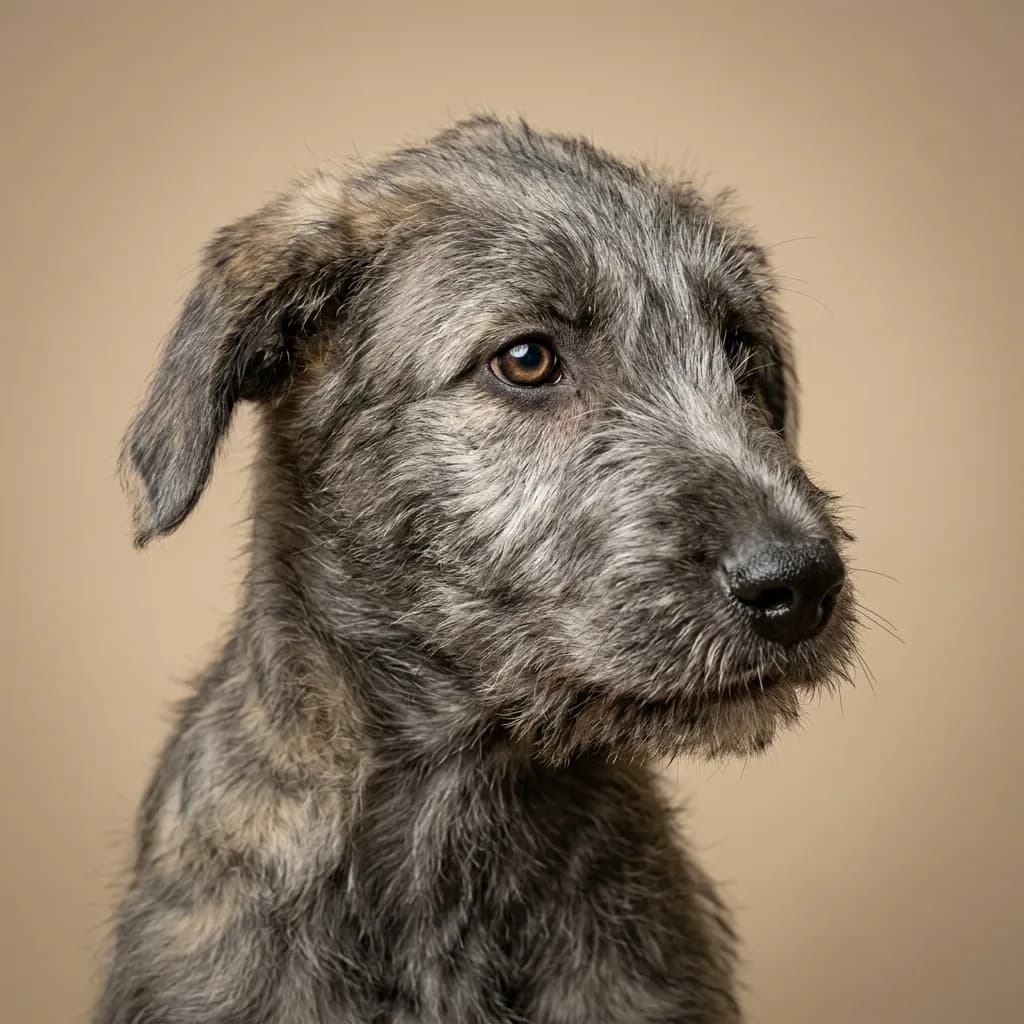
You’re probably not comparing a Havanese and an Irish Wolfhound because you’re torn between them. You’re comparing them because you’re trying to figure out where your heart really lies. with the tiny lapdog who sings on command, or the gentle giant who looks like a horse but acts like a teddy bear. These two breeds are about as different as dogs get, and that’s the point. The Havanese is the ultimate companion for someone who wants a dog that’s always with you, always chatting, always happy to snuggle on the couch or trot beside you on a city sidewalk. They’re smart, adaptable, and thrive on attention. But leave them alone too long and they’ll let you know. through barking, anxiety, or both. This dog needs a life built around it. The Irish Wolfhound, despite its size, is surprisingly quiet and calm indoors. They’re not hyper, not yappy, and they move through the world with a quiet dignity. But they need space, cost a fortune in food and vet care, and you’ll likely say goodbye far too soon. their 6 to 8 year lifespan is heartbreaking when you’ve grown that attached. Pick the Havanese if you live in an apartment, want a kid-friendly, trainable dog, and can commit to daily grooming. Pick the Irish Wolfhound only if you have room for a dog that eats like a teenager, needs a yard, and you’re ready to love deeply, knowing it won’t last. Here’s the real talk: the Havanese bonds like Velcro and demands emotional availability. The Irish Wolfhound gives love freely but carries a quiet grief. everyone who’s loved one knows the math. You’re not just choosing a dog. You’re choosing the kind of heartbreak you’re willing to live with.
Trait-by-trait
Higher bar = more of that trait. Shedding, barking, drooling, grooming flipped for readability.Where they diverge
Choose the Havanese if…
- Apartment dwellers
- Seniors
- Families with children
- You value barking level — Havanese scores noticeably higher.
Choose the Irish Wolfhound if…
- Families with space
- Gentle companion seekers
- Owners with large homes
- You value watchdog / protective — Irish Wolfhound scores higher here.