Icelandic Sheepdog vs Maltese
Side-by-side comparison across all 14 AKC trait ratings, with a clear verdict on which breed fits which kind of household.

Not sure which breed fits your life?
Answer five questions about your home, your schedule, and your tolerance for shedding. We’ll match you to your top three breeds from over 200.
Icelandic Sheepdog vs Maltese
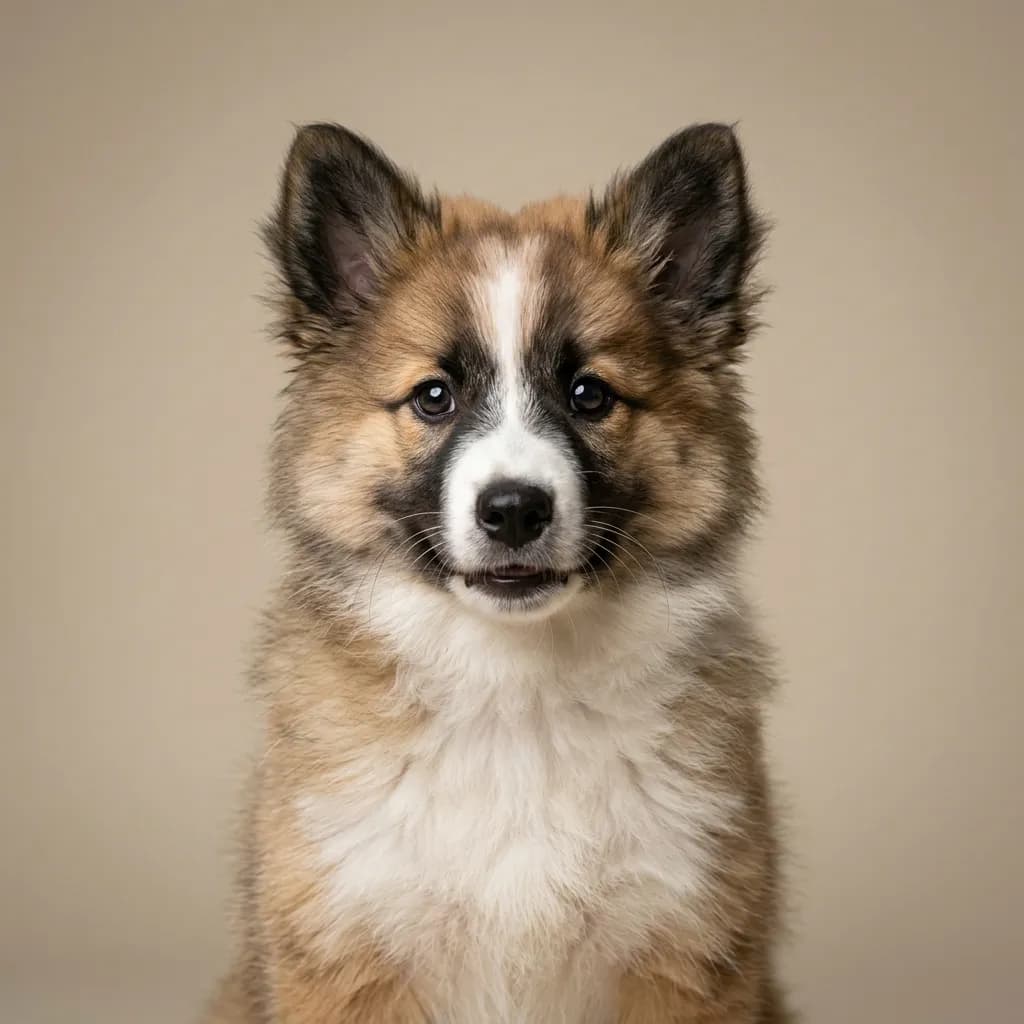
People compare the Icelandic Sheepdog and the Maltese because they’re both small, fluffy, and love people. on paper, they seem like two peas in a pod. But in real life, they’re as different as a mountain hike and a spa day. The Icelandic Sheepdog is built for action. Think cold mornings on a farm in Iceland, herding sheep across rugged terrain. This dog is alert, clever, and loud. You’ll get a loyal, energetic companion that thrives on involvement. kids, outdoor adventures, even basic training games. But don’t be fooled by the wagging tail and cheerful bark; this dog needs a job or it’ll invent one, like barking at the toaster. They’re great for active families in cooler climates, but don’t expect quiet evenings or lazy weekends. And yes, they shed. not constantly, but enough to notice on dark pants. The Maltese, on the other hand, was born for velvet cushions and lap naps. Bred to charm nobles in sun-drenched palaces, this tiny ball of white fluff wants nothing more than to be adored and carried. They’re low-shedding, making them a solid choice for allergy sufferers, and they adapt well to city life. But they’re not the best match for homes with toddlers who might accidentally drop them. And while they’re affectionate, they’re not self starters. they’d rather nap than learn a new trick. Here’s the real talk: the Icelandic Sheepdog will change your lifestyle. You’ll walk more, play more, and embrace the chaos. The Maltes eigence will change your routine. mostly around grooming and vet visits for those delicate knees and eyes. Choose the Sheepdog if you want a partner in adventure. Choose the Maltese if you want a living teddy bear with a soft bark.
Trait-by-trait
Higher bar = more of that trait. Shedding, barking, drooling, grooming flipped for readability.Where they diverge
Choose the Icelandic Sheepdog if…
- Active families
- Cold climates
- Families with children
- You value good with young children — Icelandic Sheepdog scores noticeably higher.
Choose the Maltese if…
- Apartment living
- Allergy sufferers
- Seniors
- You value coat grooming — Maltese scores higher here.