Icelandic Sheepdog vs Norfolk Terrier
Side-by-side comparison across all 14 AKC trait ratings, with a clear verdict on which breed fits which kind of household.
Not sure which breed fits your life?
Answer five questions about your home, your schedule, and your tolerance for shedding. We’ll match you to your top three breeds from over 200.
Icelandic Sheepdog vs Norfolk Terrier
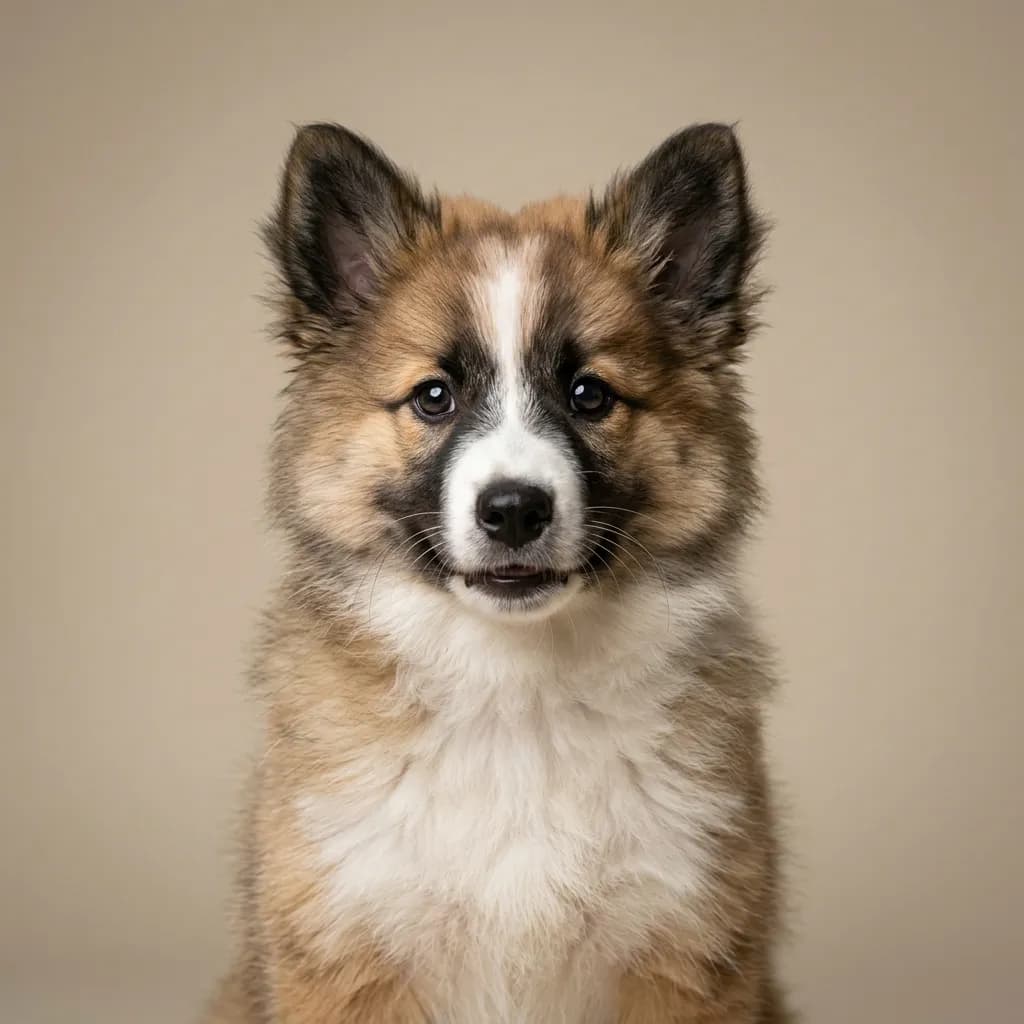
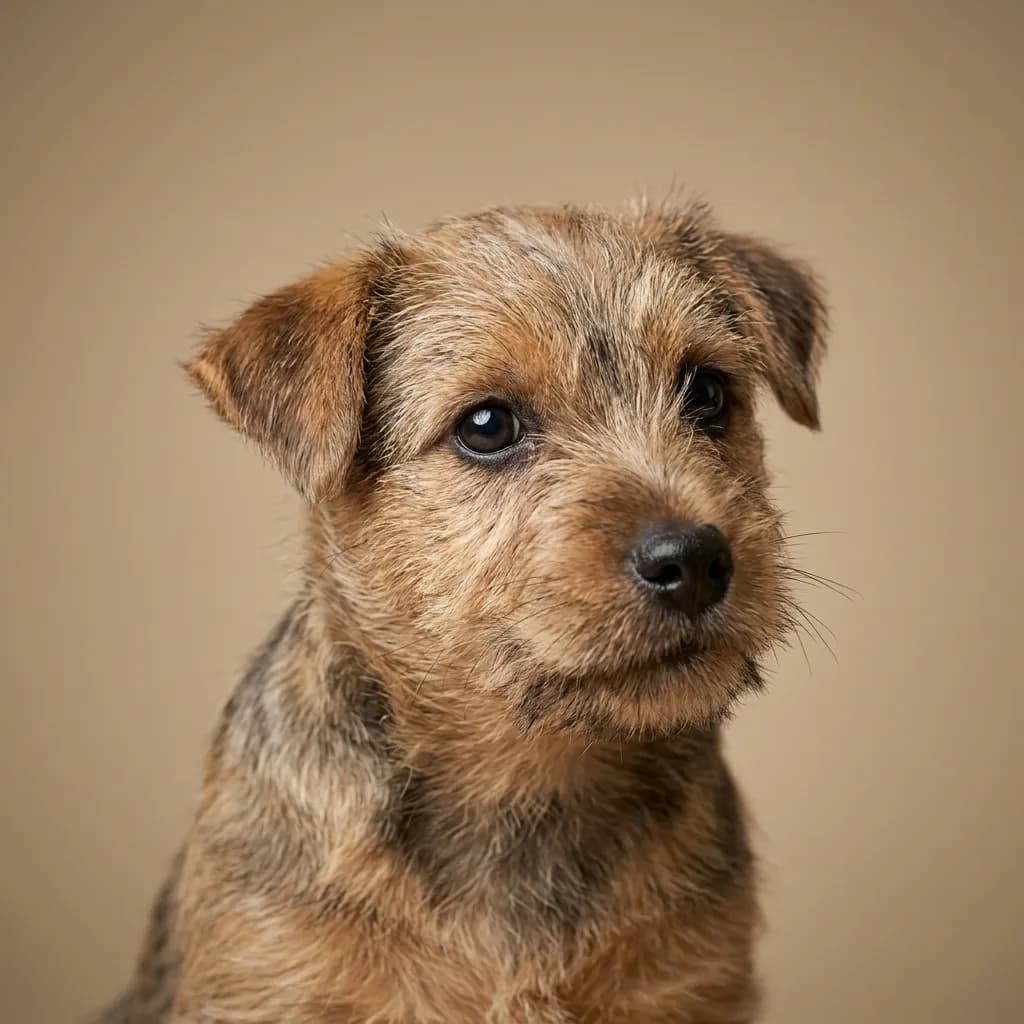
You’re probably comparing the Icelandic Sheepdog and the Norfolk Terrier because they’re both small, lively, pack-minded dogs with a ton of personality and a tendency to bark first, ask questions later. They look vaguely similar in photos. floofy, perky, always alert. and both score high on kid-friendliness and energy. But their paths diverge fast once you live with them. The Icelandic Sheepdog thrives on connection. This is a dog that wants to be part of your hike, your kitchen chaos, your family movie night. Bred to work all day in Iceland’s rugged terrain, it’s got stamina to burn and a brain that needs jobs. It’s easier to train than most, but that barking? It’s not going away. If you live in a condo without daily off-leash time, this dog will drive you nuts. It’s built for cold weather; in heat, it’ll struggle. The Norfolk Terrier is scrappy where the Ice Dog is earnest. Don’t let the teddy bear face fool you. this is a fox-chasing, dig-happy little terrier with a stubborn streak. It’s more independent, less eager to please, and training takes patience. But it adapts better to city life, partly because it’s half the size. It’s fearless, which is great for confidence but not so great if you’ve got squirrels or cats in the yard. Here’s the real difference: the Icelandic Sheepdog wants to follow you. The Norfolk wants to go off and figure things out on its own. If you want a loyal, trainable, family-integrated herder, go Ice Dog. If you love a dog with grit, a mischievous spark, and don’t mind a little pushback, the Norfolk’s your guy. Just know. neither will ever really stop barking.
Trait-by-trait
Higher bar = more of that trait. Shedding, barking, drooling, grooming flipped for readability.Where they diverge
Choose the Icelandic Sheepdog if…
- Active families
- Cold climates
- Families with children
- You value trainability — Icelandic Sheepdog scores noticeably higher.
Choose the Norfolk Terrier if…
- Active families
- Apartment or small home living
- Families with older children
- You value good with strangers — Norfolk Terrier scores higher here.