Icelandic Sheepdog vs Nova Scotia Duck Tolling Retriever
Side-by-side comparison across all 14 AKC trait ratings, with a clear verdict on which breed fits which kind of household.
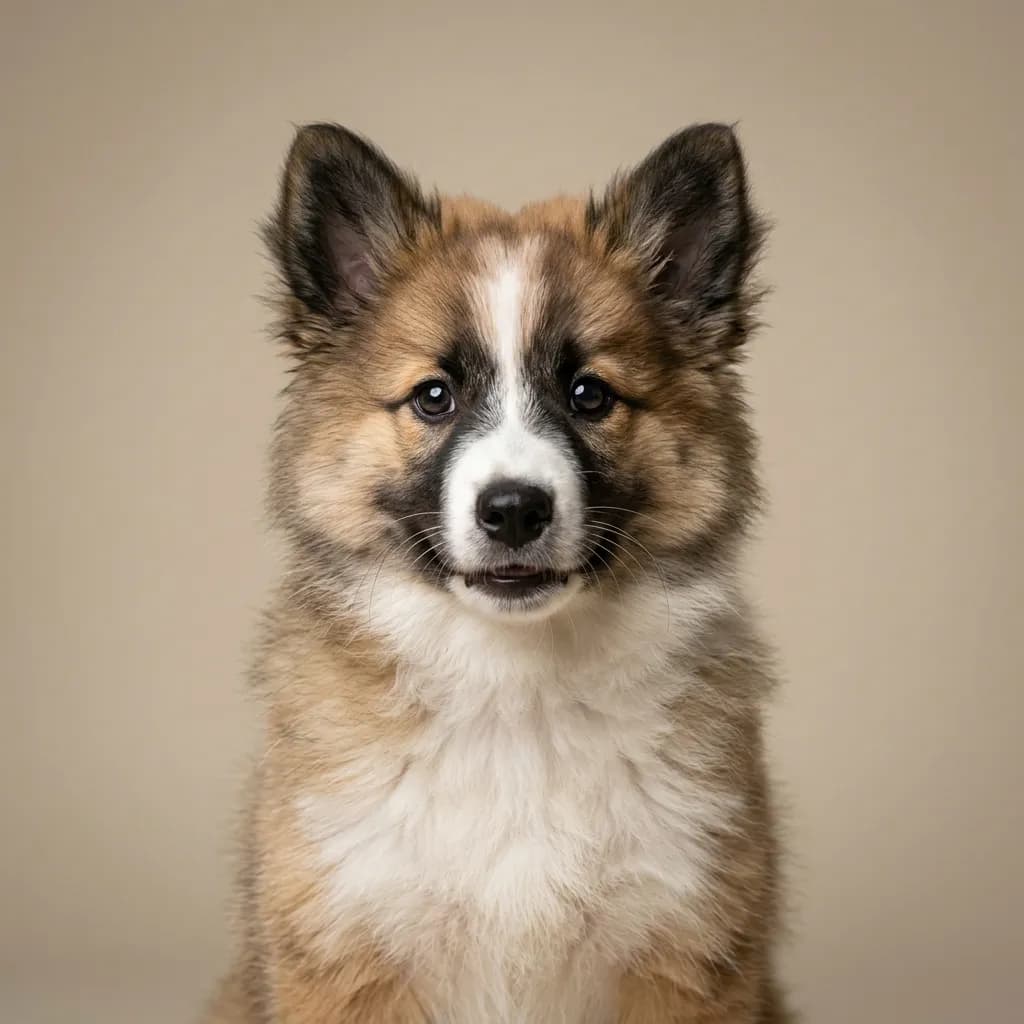
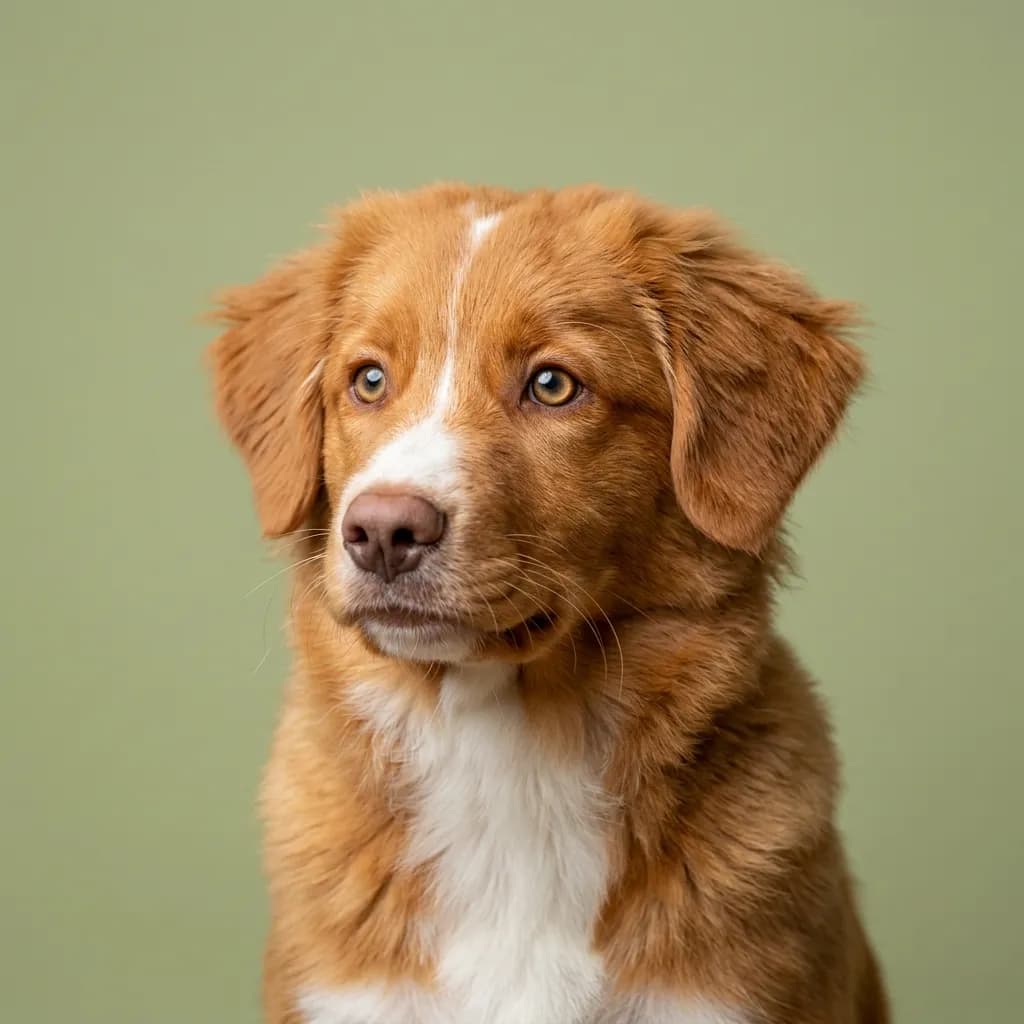
Not sure which breed fits your life?
Answer five questions about your home, your schedule, and your tolerance for shedding. We’ll match you to your top three breeds from over 200.
Icelandic Sheepdog vs Nova Scotia Duck Tolling Retriever
You probably landed here because both breeds are medium-sized, energetic, and tail-waggingly enthusiastic about life. They’re both rare, both family-friendly, and both look like they’d fit right into an outdoor brand catalog. But scratch the surface and you’ll find two very different dogs shaped by very different jobs. The Icelandic Sheepdog was born on windswept farms, herding sheep and keeping spirits high in isolation. They’re barky, affectionate little comedians who thrive on human contact and mental chaos. If your home is loud, active, and full of people who don’t mind a dog that talks back, this might be your match. They’re easier to train than most herding breeds and surprisingly good for first-time owners. just don’t expect quiet. They bond deeply and adapt well, as long as you can meet their energy needs and don’t mind fur on your black pants. The Toller? This is a dog built for motion. Bred to prance along shorelines, luring ducks within range with its foxlike antics, then diving into icy water to retrieve, it lives for action and challenge. They’re quieter than the Icelandic, but don’t let that fool you. they need serious physical and mental outlets. A bored Toller will dismantle your baseboards. They’re more intense, more driven, and better suited to owners already into dog sports or hunting. They’re also pricier and come with a heavier health-watch list, especially around autoimmune issues. Here’s the real talk: the Icelandic Sheepdog wants to be your shadow in the yard. The Toller wants to drag you into the woods and swim across the lake. Pick the first if you want a joyful, chatty companion. Pick the Toller if you need a partner in adventure who happens to sleep in your house.
Trait-by-trait
Higher bar = more of that trait. Shedding, barking, drooling, grooming flipped for readability.Where they diverge
Choose the Icelandic Sheepdog if…
- Active families
- Cold climates
- Families with children
- You value barking level — Icelandic Sheepdog scores noticeably higher.
Choose the Nova Scotia Duck Tolling Retriever if…
- Active families
- Outdoor and water enthusiasts
- Dog sport enthusiasts
- You value playfulness — Nova Scotia Duck Tolling Retriever scores higher here.