Icelandic Sheepdog vs Poodle
Side-by-side comparison across all 14 AKC trait ratings, with a clear verdict on which breed fits which kind of household.
Not sure which breed fits your life?
Answer five questions about your home, your schedule, and your tolerance for shedding. We’ll match you to your top three breeds from over 200.
Icelandic Sheepdog vs Poodle
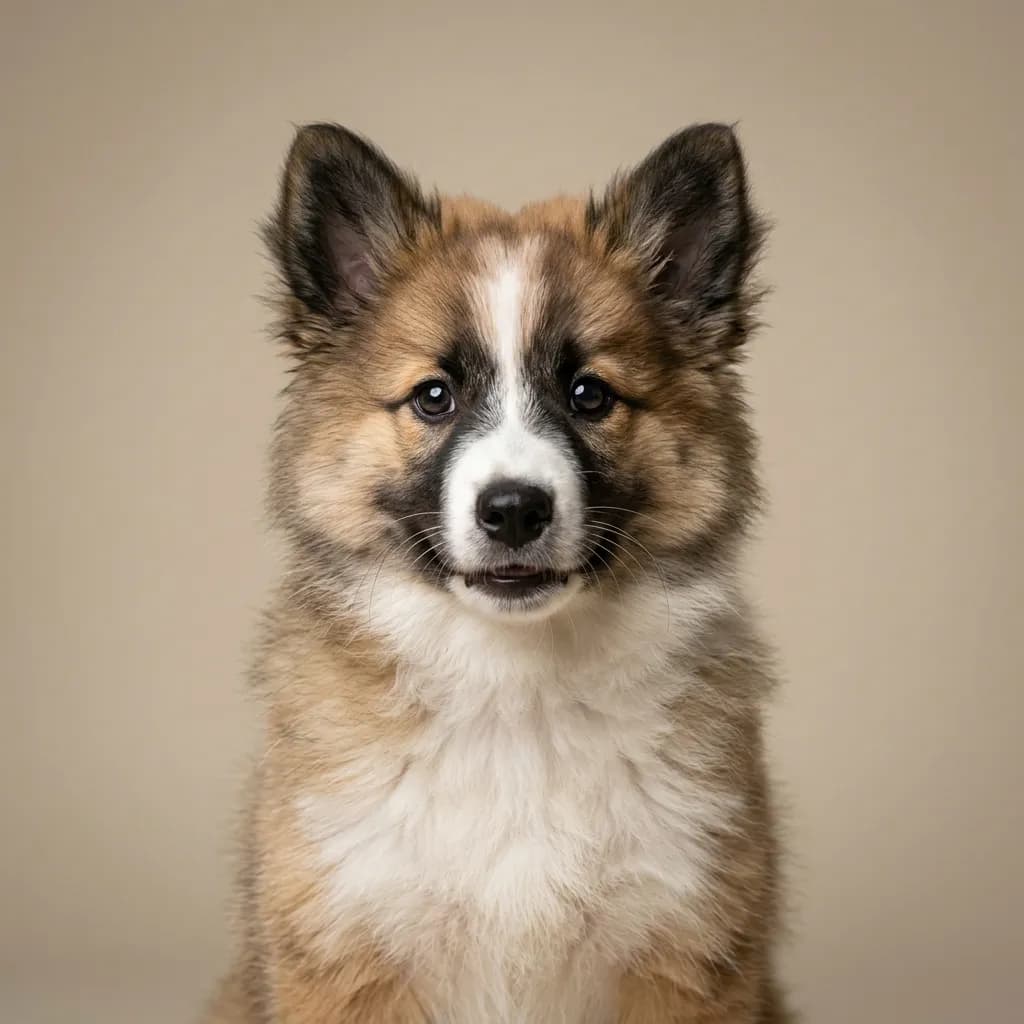
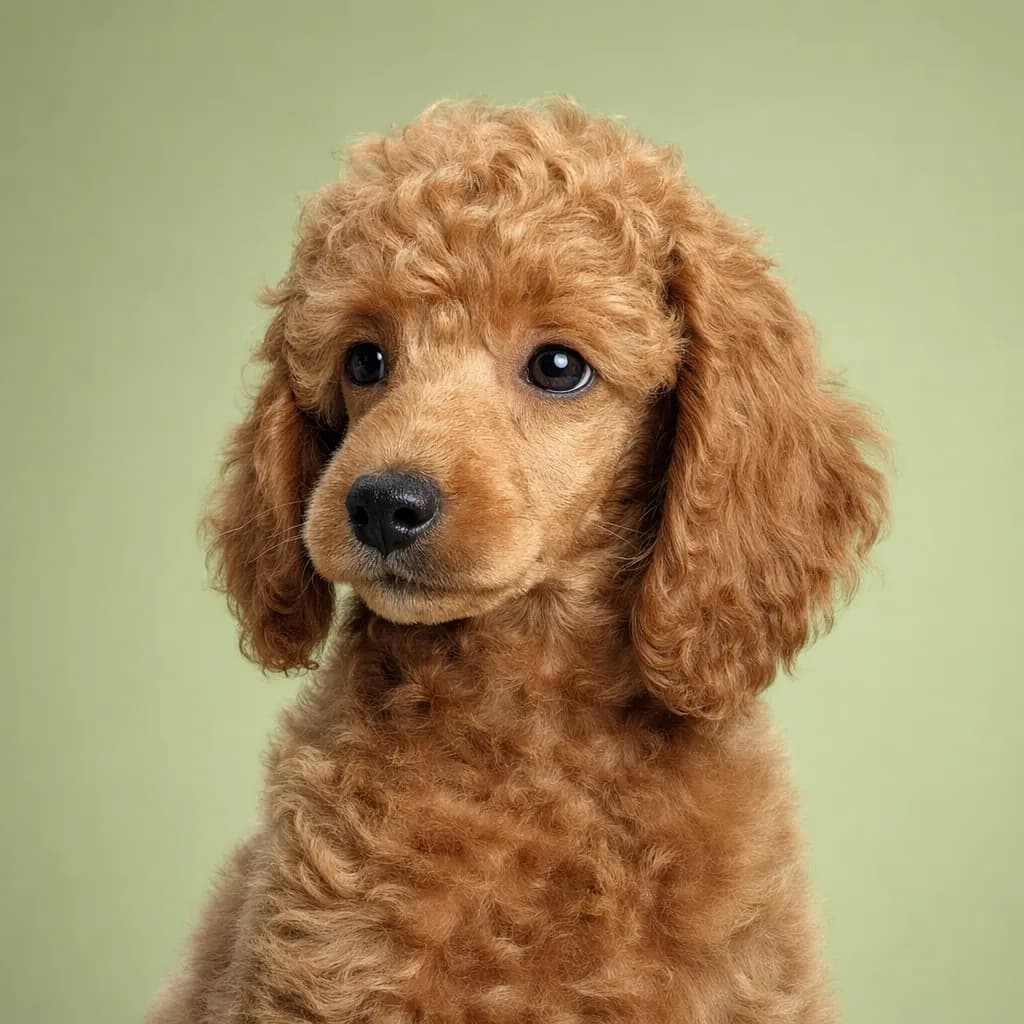
You don’t see this pairing every day, but when you do, it’s usually someone with active kids, maybe a yard, and a soft spot for bright, brainy dogs. The Icelandic Sheepdog and Standard Poodle both love people, thrive on engagement, and score sky-high on trainability and affection. On paper, they’re kindred spirits. But in real life, they’re built for different worlds. The Icelandic Sheepdog is the compact, freewheeling herder from a volcanic island where weather changes mid-sentence. At 30 pounds max, it’s nimble, barky, and built for cold. It’s the dog that’ll sprint across a snowy field just for joy, then curl up with every kid in the house. It’s eager to please and easy to train, but it will alert you. constantly. about the mail truck, the squirrel, the breeze. If you live somewhere warm or hate noise, this isn’t your dog. The Standard Poodle, meanwhile, is a 70-pound athlete in a perm, originally bred to dive into icy lakes after ducks. It’s just as smart and loyal, but with a cooler, more deliberate presence. Its non-shedding coat is magic for allergies, but it demands grooming every 4-6 weeks. no shortcuts. This dog excels in obedience, agility, therapy work, you name it. It adapts to apartments if you’re active, but it hates being left alone for hours. Here’s what the data won’t tell you: the Icelandic Sheepdog wants to be part of your chaos. The Poodle wants to master it. One is a joyful participant, the other a polished co-pilot. Choose the Icy if you want a rugged, expressive companion for a lively, cold-weather life. Choose the Poodle if you want a versatile, hypoallergenic partner ready for precision and polish. Grooming, climate, and noise tolerance are the real deciding lines.
Trait-by-trait
Higher bar = more of that trait. Shedding, barking, drooling, grooming flipped for readability.Where they diverge
Choose the Icelandic Sheepdog if…
- Active families
- Cold climates
- Families with children
- You value shedding level — Icelandic Sheepdog scores noticeably higher.
Choose the Poodle if…
- Allergy sufferers
- Active families
- First-time owners
- You value coat grooming — Poodle scores higher here.