Icelandic Sheepdog vs Schapendoes
Side-by-side comparison across all 14 AKC trait ratings, with a clear verdict on which breed fits which kind of household.
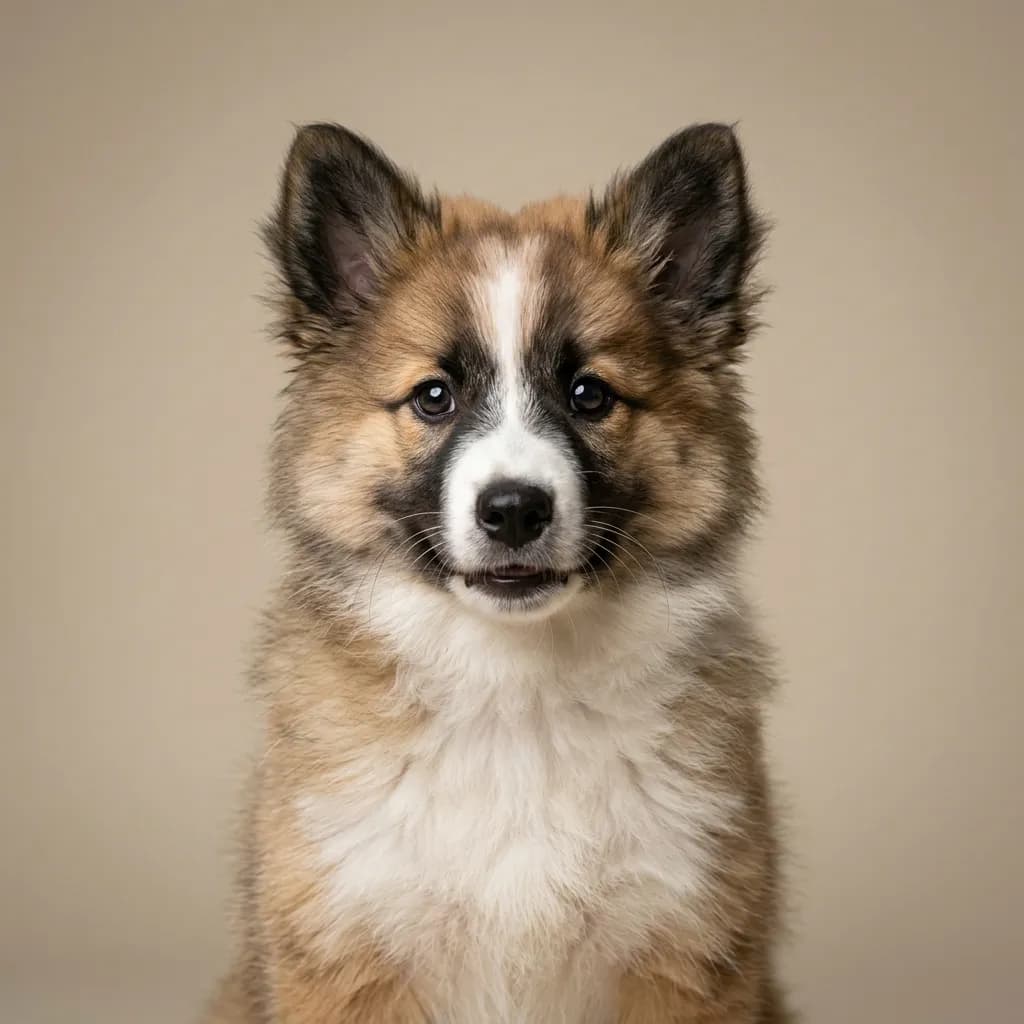
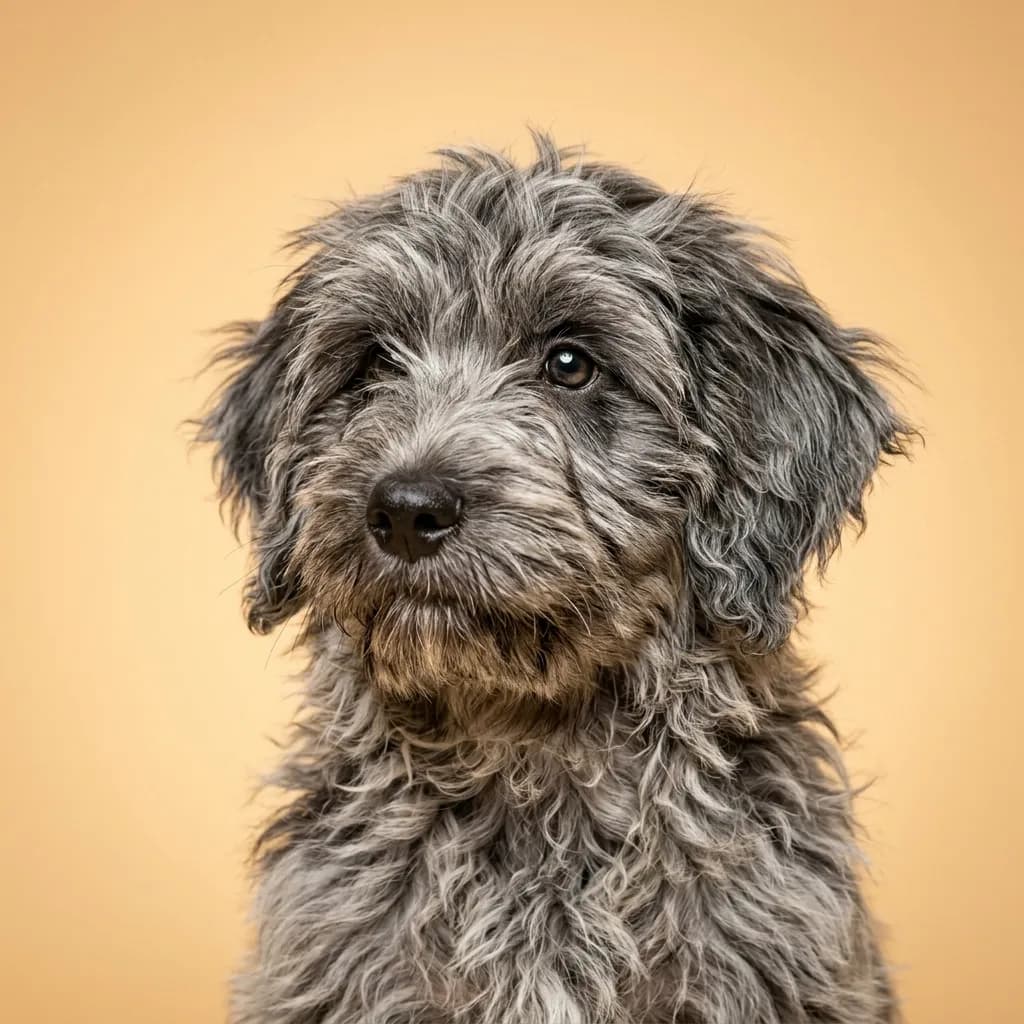
Not sure which breed fits your life?
Answer five questions about your home, your schedule, and your tolerance for shedding. We’ll match you to your top three breeds from over 200.
Icelandic Sheepdog vs Schapendoes
You’re probably comparing the Icelandic Sheepdog and the Schapendoes because they both look like fluffy mountain sprites with boundless energy and cheerful grins. They’re rare, herding breeds with long coats and a love for cold weather. But here’s the real difference. what you’re actually signing up for. The Icelandic Sheepdog is the more forgiving of the two. At 30 pounds max, it’s compact, intensely affectionate, and thrives on being part of the family chaos. It’s the dog that’ll greet the school bus with you, bounce through hiking trails, and still curl up on the couch after. It barks. fair warning. but it’s also the breed that first-time owners can actually train, because it wants to please and reads your mood like a therapist. Kids adore them, and they adore kids back, making them a no-brainer for active families. The Schapendoes, though? It’s a project. Larger, rangier, with a coat that needs weekly upkeep, it’s bred for serious work. It’s less naturally tuned to kids and more tuned to tasks. agility, herding trials, anything that uses its brain. It’s not as vocal, but it’s more independent. You don’t just own a Schapendoes, you steward it. It needs a handler, not just an owner. Here’s the honest insight: the Icelandic Sheepdog will adapt to your life. The Schapendoes will demand you adapt to its needs. If you want a joyful, trainable companion that happens to love snow and fetch, go with the Icie. If you’re hungry for a dog-sport partner with old-world grit and don’t mind the grooming hustle, the Schapendoes will light your fire. Just don’t expect either to be quiet.
Trait-by-trait
Higher bar = more of that trait. Shedding, barking, drooling, grooming flipped for readability.Where they diverge
Choose the Icelandic Sheepdog if…
- Active families
- Cold climates
- Families with children
- You value good with young children — Icelandic Sheepdog scores noticeably higher.
Choose the Schapendoes if…
- active families
- agility and herding sport enthusiasts
- experienced herding breed owners
- You value good with other dogs — Schapendoes scores higher here.