Icelandic Sheepdog vs Schipperke
Side-by-side comparison across all 14 AKC trait ratings, with a clear verdict on which breed fits which kind of household.
Not sure which breed fits your life?
Answer five questions about your home, your schedule, and your tolerance for shedding. We’ll match you to your top three breeds from over 200.
Icelandic Sheepdog vs Schipperke
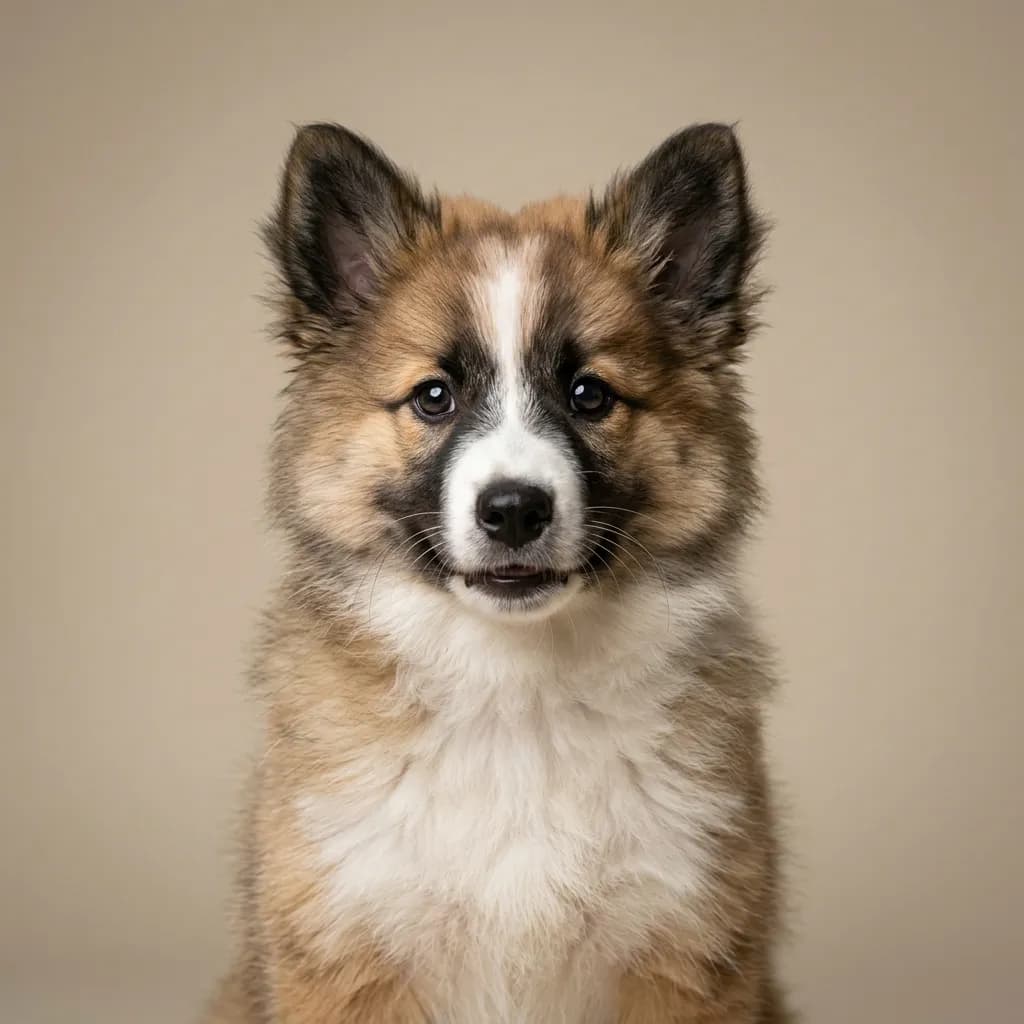
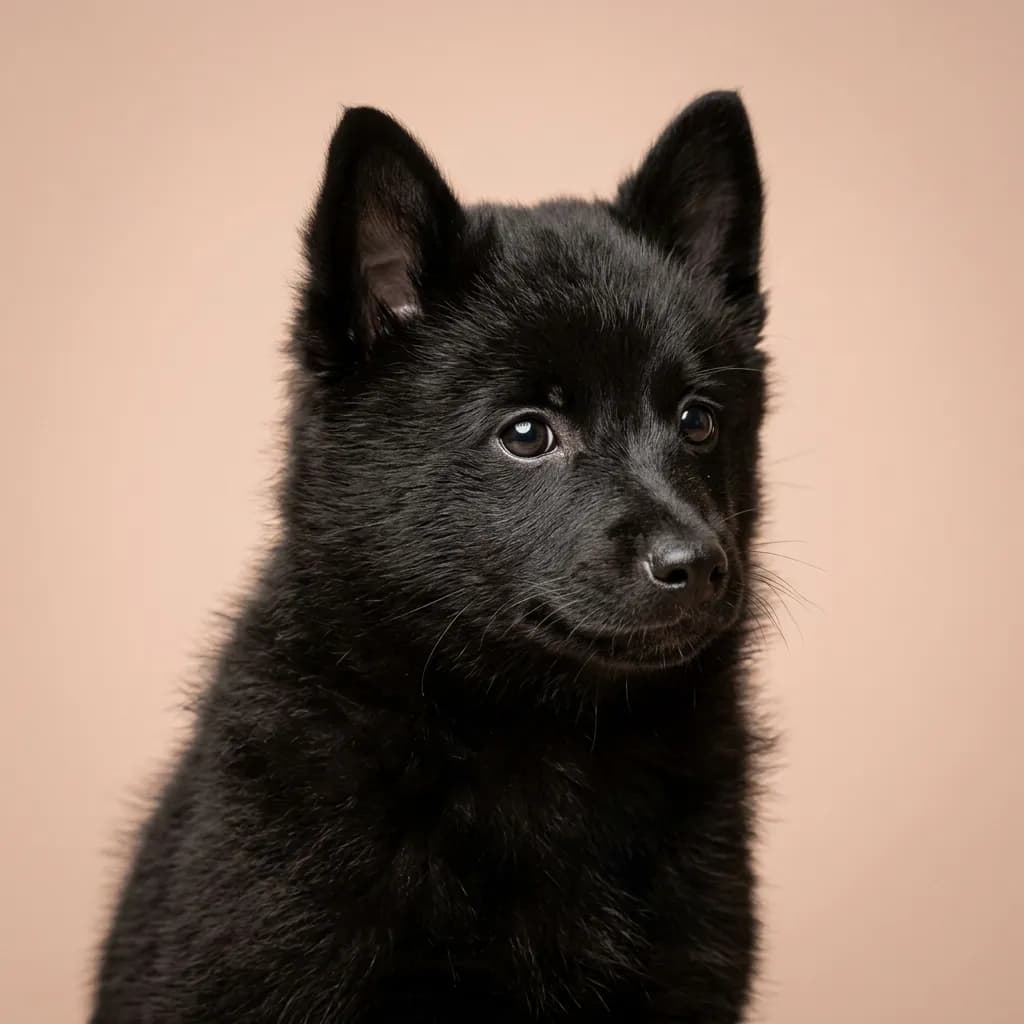
You don’t see many Icelandic Sheepdogs or Schipperkes at the dog park, so it’s surprising how often they get compared. Maybe it’s the fox-like faces or the perky ears. both look like they’re always in on a secret. But that’s where the similarities fade. One’s a cheerful mountain dog built for wind and open pastures, the other a compact, fearless little sentinel with a Napoleon complex and a motor that hums just below the surface. The Icelandic Sheepdog is the family glue. At 30 pounds and full of bounce, they’re like a golden retriever’s scrappy cousin who never stops grinning. They bond with everyone, thrive with kids, and adapt well. if you can keep up with their energy and earsplitting bark. They need space to run, cold weather to flourish, and mental puzzles to stay sane. Trainability? Off the charts. You’ll need it. The Schipperke, at half the size, is a different beast. Bold, independent, and wired with curiosity, they were ratting dogs on boats and still act like they’re guarding cargo. They’re affectionate with their people but can be standoffish with kids or chaos. They don’t need as much physical exercise, but their alertness means they bark at leaves. And yes, they’ll try to boss the cat around. Here’s the real difference: the Icelandic Sheepdog wants to join your life. The Schipperke wants to run it. If you’ve got a yard in Vermont and a family that hikes, go for the Sheepdog. If you’re a single or couple in a townhouse who appreciates a quirky, fearless character with a soft undercoat and a loud opinion, the Schipperke might just steal your home. and your heart, on their terms.
Trait-by-trait
Higher bar = more of that trait. Shedding, barking, drooling, grooming flipped for readability.Where they diverge
Choose the Icelandic Sheepdog if…
- Active families
- Cold climates
- Families with children
- You value good with young children — Icelandic Sheepdog scores noticeably higher.
Choose the Schipperke if…
- Active owners
- Those wanting a small but bold breed
- Suburban or rural settings
- You value playfulness — Schipperke scores higher here.