Icelandic Sheepdog vs Shiba Inu
Side-by-side comparison across all 14 AKC trait ratings, with a clear verdict on which breed fits which kind of household.
Not sure which breed fits your life?
Answer five questions about your home, your schedule, and your tolerance for shedding. We’ll match you to your top three breeds from over 200.
Icelandic Sheepdog vs Shiba Inu
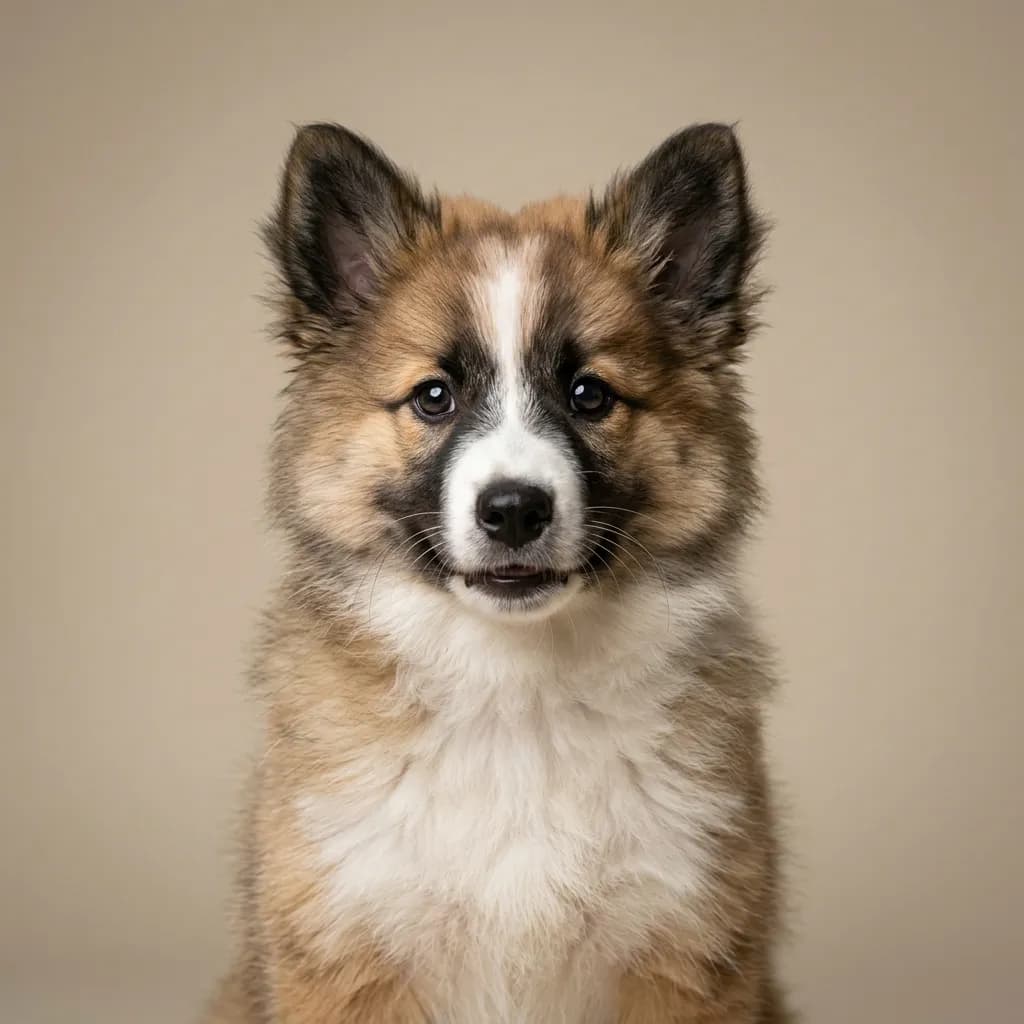
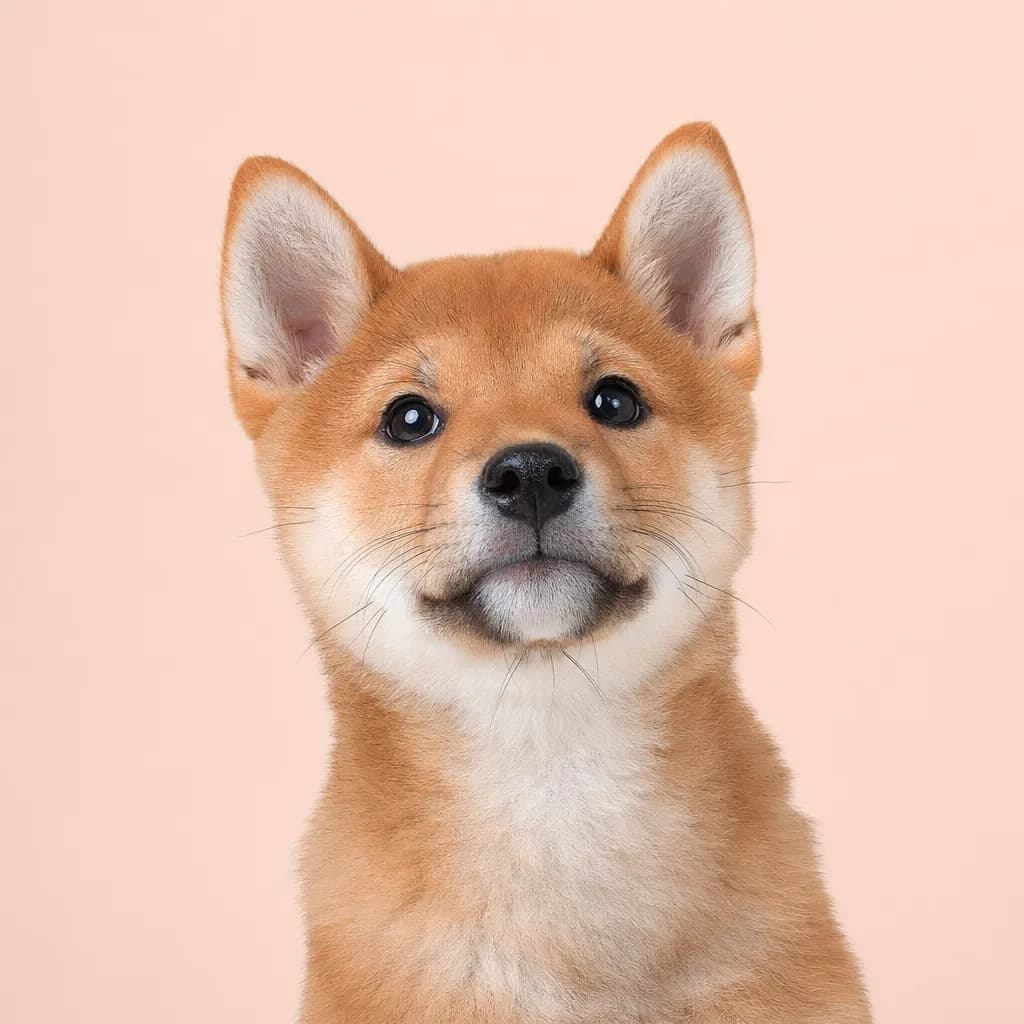
People compare Icelandic Sheepdogs and Shiba Inus because they’re both small-to-medium spitz breeds with fox-like faces, fluffy coats, and a certain wild-eyed charm. But that’s where the similarities end. If you’re torn between them, you’re really choosing between a team player and a solo act. The Icelandic Sheepdog is the cheerful, bouncy extrovert who wants to join every family activity. They bond deeply with everyone, adore kids, and actually want to please you. making them surprisingly easy to train despite their high energy. They’ll herd your kids into the kitchen at dinner time if you let them. They thrive in cold climates and active homes where they get daily mental and physical work. But they bark. A lot. And they don’t do well left alone for hours. they need inclusion. The Shiba Inu, by contrast, is the aloof cat of the dog world. Independent, fastidious, and quietly observant, they’ll curl up in your lap one minute and ignore you completely the next. They’re not unaffectionate. they’re just on their own schedule. Training a Shiba requires patience and consistency; they’re smart but notoriously stubborn. They’re better suited to homes with experienced owners who understand boundaries and respect a dog that doesn’t crave constant contact. Here’s the real difference beyond the data: Icelandic Sheepdogs trust you by default. Shibas give trust conditionally. and earn it back slowly. If you want a dog that feels like family glue, go Icelandic. If you want a dignified, self-possessed companion who still shows up in your life with quiet loyalty, the Shiba’s your match. Just don’t expect them to come when called. ever.
Trait-by-trait
Higher bar = more of that trait. Shedding, barking, drooling, grooming flipped for readability.Where they diverge
Choose the Icelandic Sheepdog if…
- Active families
- Cold climates
- Families with children
- You value trainability — Icelandic Sheepdog scores noticeably higher.
Choose the Shiba Inu if…
- Experienced dog owners
- Those wanting a cat-like independence
- Active owners
- You value watchdog / protective — Shiba Inu scores higher here.