Irish Terrier vs Samoyed
Side-by-side comparison across all 14 AKC trait ratings, with a clear verdict on which breed fits which kind of household.

Not sure which breed fits your life?
Answer five questions about your home, your schedule, and your tolerance for shedding. We’ll match you to your top three breeds from over 200.
Irish Terrier vs Samoyed
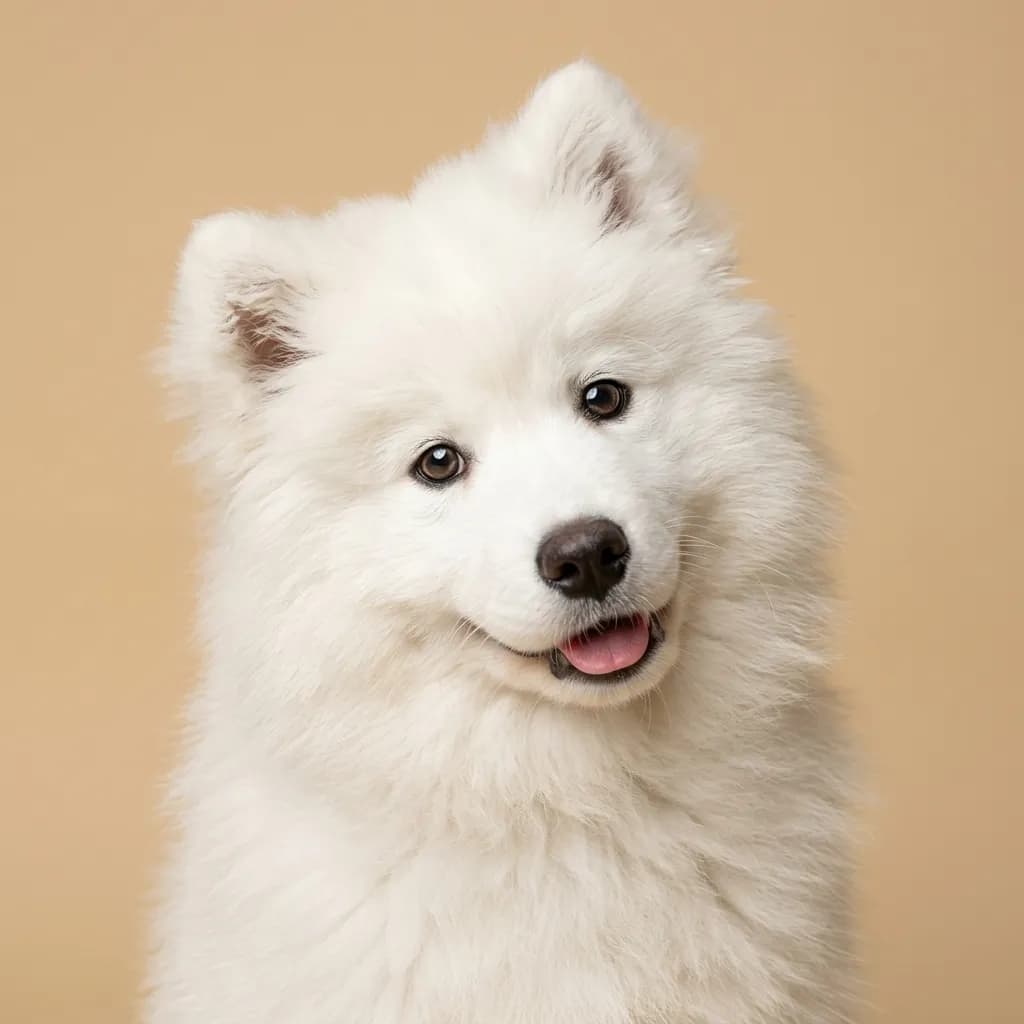
People compare Irish Terriers and Samoyeds because both are loyal, family-friendly dogs with a striking look and a cheerful attitude. But that’s where the similarities end. One’s a wiry-coated dynamo from rural Ireland, the other a snowproof, smiling fluffball built for Arctic winds. Choosing between them isn’t just preference. it’s lifestyle. The Irish Terrier is compact, bold, and built for action. At under 30 pounds, he’s easy to manage physically, but don’t be fooled. he’s got terrier grit. He’ll chase squirrels, bark at strangers, and thrive on daily challenges. He’s tender with kids and deeply loyal, but his prey drive means he’s not safe with hamsters or cats. You’ll need time for walks and mental games, and you can’t ignore his need for engagement. He sheds lightly, but his coat needs hand-stripping or regular grooming. The Samoyed is bigger, louder, and fluffier. way fluffier. That stunning white coat sheds year-round and blows out completely twice a year. Grooming isn’t optional. And while he’s gentle and adores everyone, he barks. A lot. It’s in his herding DNA. He needs cold weather to thrive; in heat, he’s at risk. But he’s also highly trainable, loves dog sports, and bonds tightly with families. Here’s the real difference: the Irish Terrier is a focused companion who’ll stick by your side on a hike or farm walk. The Samoyed is a social extrovert who wants to greet everyone. and tell the neighborhood about it. Pick the Irish Terrier if you want a spirited, manageable-sized dog with big-dog personality and minimal shedding. Choose the Samoyed if you’ve got time, cold weather, and don’t mind a vocal, high-maintenance coat that’s impossible to ignore.
Trait-by-trait
Higher bar = more of that trait. Shedding, barking, drooling, grooming flipped for readability.Where they diverge
Choose the Irish Terrier if…
- Active families
- Outdoors enthusiasts
- Experienced terrier owners
- You value watchdog / protective — Irish Terrier scores noticeably higher.
Choose the Samoyed if…
- Active families
- Cold climate households
- Dog sports enthusiasts
- You value good with other dogs — Samoyed scores higher here.