Irish Wolfhound vs Norwegian Lundehund
Side-by-side comparison across all 14 AKC trait ratings, with a clear verdict on which breed fits which kind of household.
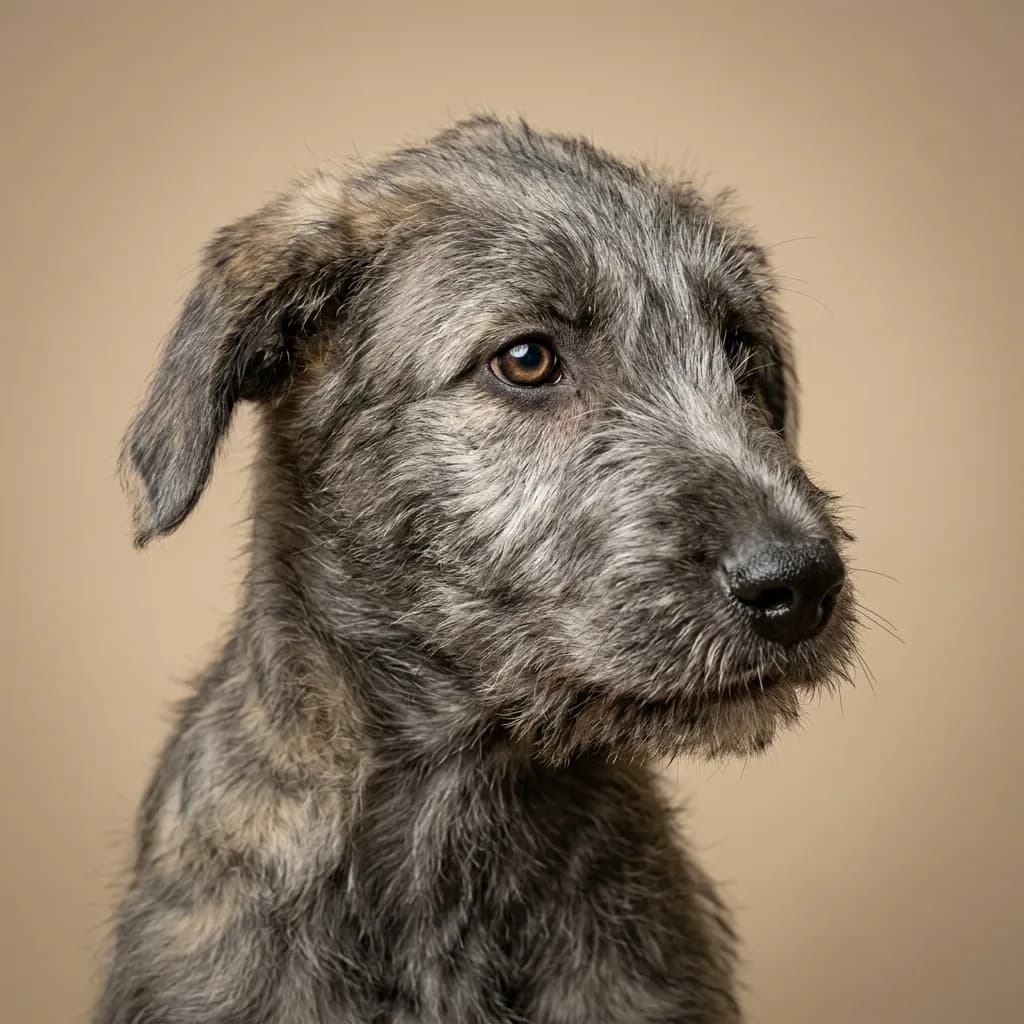
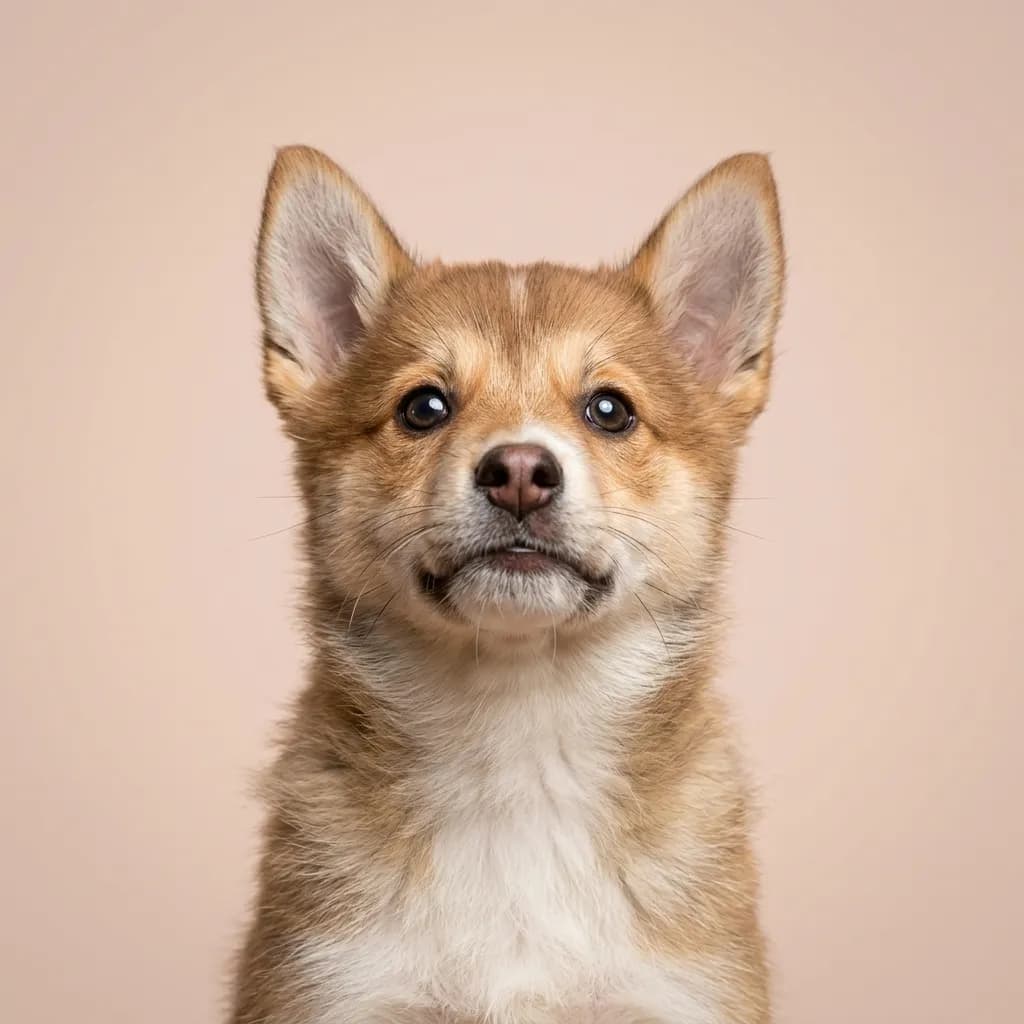
Not sure which breed fits your life?
Answer five questions about your home, your schedule, and your tolerance for shedding. We’ll match you to your top three breeds from over 200.
Irish Wolfhound vs Norwegian Lundehund
You’re not comparing these two because they look anything alike. You’re comparing them because someone told you both are rare, both have ancient roots, and both are unlike anything at the dog park. But that’s where the similarity ends. One was built to take down wolves in misty Irish forests. The other scaled sheer cliffs to snatch puffins from rock crevices in Arctic Norway. They’re both fascinating. They’re also polar opposites in almost every way that matters day to day. The Irish Wolfhound is a gentle giant with a heart as big as its frame. 110 pounds of calm, dignified love. You’ll need space, a solid budget for food and vet care, and peace with the fact you’ll likely say goodbye in eight years. They’re not high-energy, but they need room to stretch their long legs. They’re affectionate to a fault, quiet, and surprisingly good with kids, though their size alone makes them a poor fit for small homes. The Norwegian Lundehund is a nimble, quirky little dog with six toes and a body that bends like rubber. He’s alert, lively, and needs mental challenges. He’s not as affectionate as the Wolfhound, and he’ll bark when something catches his attention. He’s healthier on paper but comes with a serious caveat. Lundehund syndrome means lifelong, costly monitoring of his gut health. You can’t wing it. Pick the Wolfhound if you want a calm, loving giant and have space and resources. Pick the Lundehund only if you’re experienced, fascinated by rare breeds, and ready for a dog that needs specialized care. Here’s the truth: the Lundehund isn’t just rare because of numbers. It’s rare because it’s not for most people. And that’s okay.
Trait-by-trait
Higher bar = more of that trait. Shedding, barking, drooling, grooming flipped for readability.Where they diverge
Choose the Irish Wolfhound if…
- Families with space
- Gentle companion seekers
- Owners with large homes
- You value affectionate w/ family — Irish Wolfhound scores noticeably higher.
Choose the Norwegian Lundehund if…
- Experienced dog owners
- Those interested in rare breeds
- Active families
- You value barking level — Norwegian Lundehund scores higher here.