Irish Wolfhound vs Papillon
Side-by-side comparison across all 14 AKC trait ratings, with a clear verdict on which breed fits which kind of household.

Not sure which breed fits your life?
Answer five questions about your home, your schedule, and your tolerance for shedding. We’ll match you to your top three breeds from over 200.
Irish Wolfhound vs Papillon
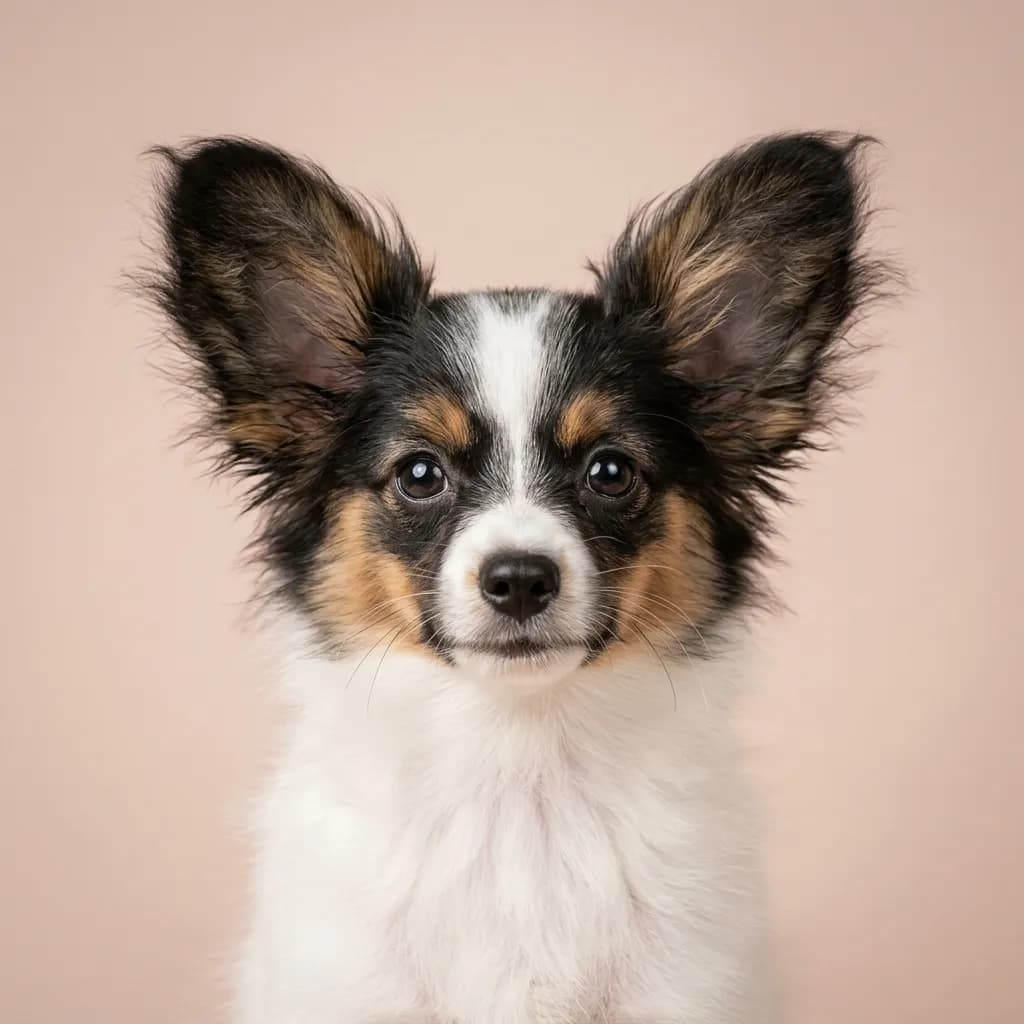
People don’t usually pit a Papillon against an Irish Wolfhound unless they’re deep in the dog world or realizing how wildly different dogs can be. On paper, comparing them seems absurd. one’s a lapdog with butterfly ears, the other a gentle giant that eats more in a day than the Papillon weighs. But both are deeply affectionate, surprisingly agile, and thrive on human connection, which is probably why someone torn between extremes ends up here. The Irish Wolfhound is like a retired opera singer. dignified, calm, and emotionally present without needing constant chatter. He’ll lean his 110-pound frame against you like a warm, woolly bookshelf and watch life pass by. You’ll pay more upfront, not just for the puppy but for food, meds, and eventually, heartbreak. 6 to 8 years is barely enough time to adjust to loving something so large. He’s not high-energy, but he needs space to stretch his legs. Apartments? Forget it. And bloat is a real threat, so you’ll learn to feed him in stages and keep an emergency plan ready. The Papillon is the opposite kind of commitment. tiny, yes, but a live wire with a brain that never shuts off. He’s happiest learning tricks, racing through agility courses, or barking at the mailman like it’s his life’s mission. He adapts to city living but demands mental work. Leave him alone too long and he’ll turn your slippers into confetti. Great with older kids, but toddlers might scare him. or worse, step on him. Here’s the truth the stats don’t tell: size doesn’t dictate need. The little dog can be higher maintenance than the giant. If you want quiet loyalty and have space and resources, go Wolfhound. If you want a sparkling, clever companion who fits in a tote bag and loves to work, the Papillon’s your sparkplug. Choose not by heart, but by lifestyle.
Trait-by-trait
Higher bar = more of that trait. Shedding, barking, drooling, grooming flipped for readability.Where they diverge
Choose the Irish Wolfhound if…
- Families with space
- Gentle companion seekers
- Owners with large homes
- You value good with other dogs — Irish Wolfhound scores noticeably higher.
Choose the Papillon if…
- Apartment living
- Active owners
- Families with older children
- You value barking level — Papillon scores higher here.