Irish Wolfhound vs Schapendoes
Side-by-side comparison across all 14 AKC trait ratings, with a clear verdict on which breed fits which kind of household.

Not sure which breed fits your life?
Answer five questions about your home, your schedule, and your tolerance for shedding. We’ll match you to your top three breeds from over 200.
Irish Wolfhound vs Schapendoes
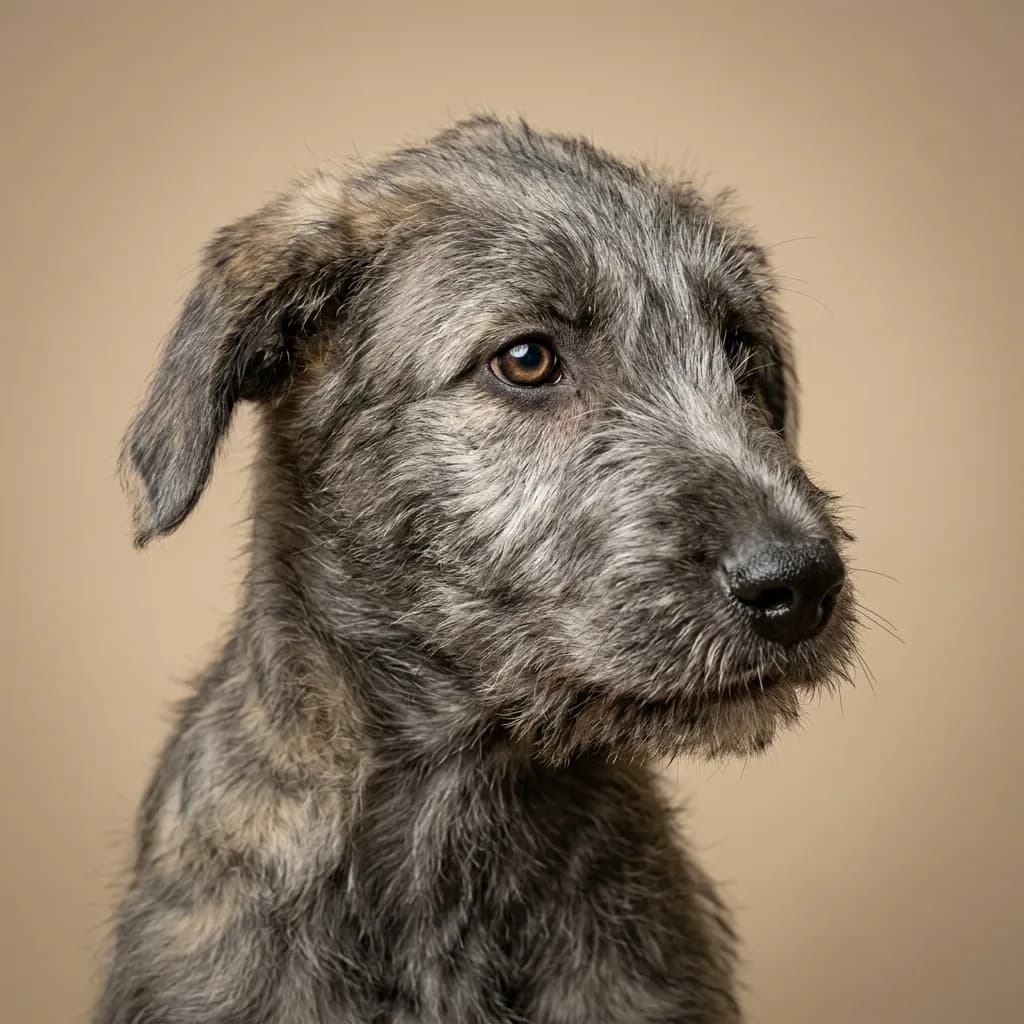
You’re not really comparing these two breeds because they look alike. you’re doing it because someone at a dog park said, “Well, have you considered a Schapendoes?” and you blinked, Googled it, and suddenly found yourself down a rabbit hole of fluff and confusion. The Irish Wolfhound and Schapendoes couldn’t be more different, yet they both get lumped into “rare, shaggy, and sweet” territory. That’s where the similarity ends. The Wolfhound is a gentle giant who’ll fold its 120-pound frame onto your feet like a collapsing barn. He’s dignified, calm indoors, and needs space. not just to stretch out, but to avoid knocking over your coffee table with a wag. He’ll love you deeply, but probably won’t live past eight years, which is something you have to sit with before bringing one home. Vet bills add up fast with a dog this size, and yes, bloat is real and deadly. The Schapendoes, meanwhile, is a lively mop with opinions. Built for herding sheep in the Dutch hills, he’s smart, bouncy, and thrives on tasks. He’ll learn tricks faster than you can teach them, but his coat? It’s high-maintenance. think weekly brushing or matted chaos. He’s not a lapdog, but he’ll stick close, bark at squirrels, and outlast the Wolfhound by nearly a decade. Pick the Wolfhound if you want a serene, affectionate giant and have the space and emotional readiness for a short but rich companionship. Choose the Schapendoes if you’re active, enjoy training, and don’t mind grooming a fuzzy tornado. Here’s the truth beyond the data: the Wolfhound gives you intensity of love in a short burst. The Schapendoes gives you years of partnership, if you’re willing to keep up.
Trait-by-trait
Higher bar = more of that trait. Shedding, barking, drooling, grooming flipped for readability.Where they diverge
Choose the Irish Wolfhound if…
- Families with space
- Gentle companion seekers
- Owners with large homes
- You value shedding level — Irish Wolfhound scores noticeably higher.
Choose the Schapendoes if…
- active families
- agility and herding sport enthusiasts
- experienced herding breed owners
- You value trainability — Schapendoes scores higher here.