Irish Wolfhound vs Schipperke
Side-by-side comparison across all 14 AKC trait ratings, with a clear verdict on which breed fits which kind of household.
Not sure which breed fits your life?
Answer five questions about your home, your schedule, and your tolerance for shedding. We’ll match you to your top three breeds from over 200.
Irish Wolfhound vs Schipperke
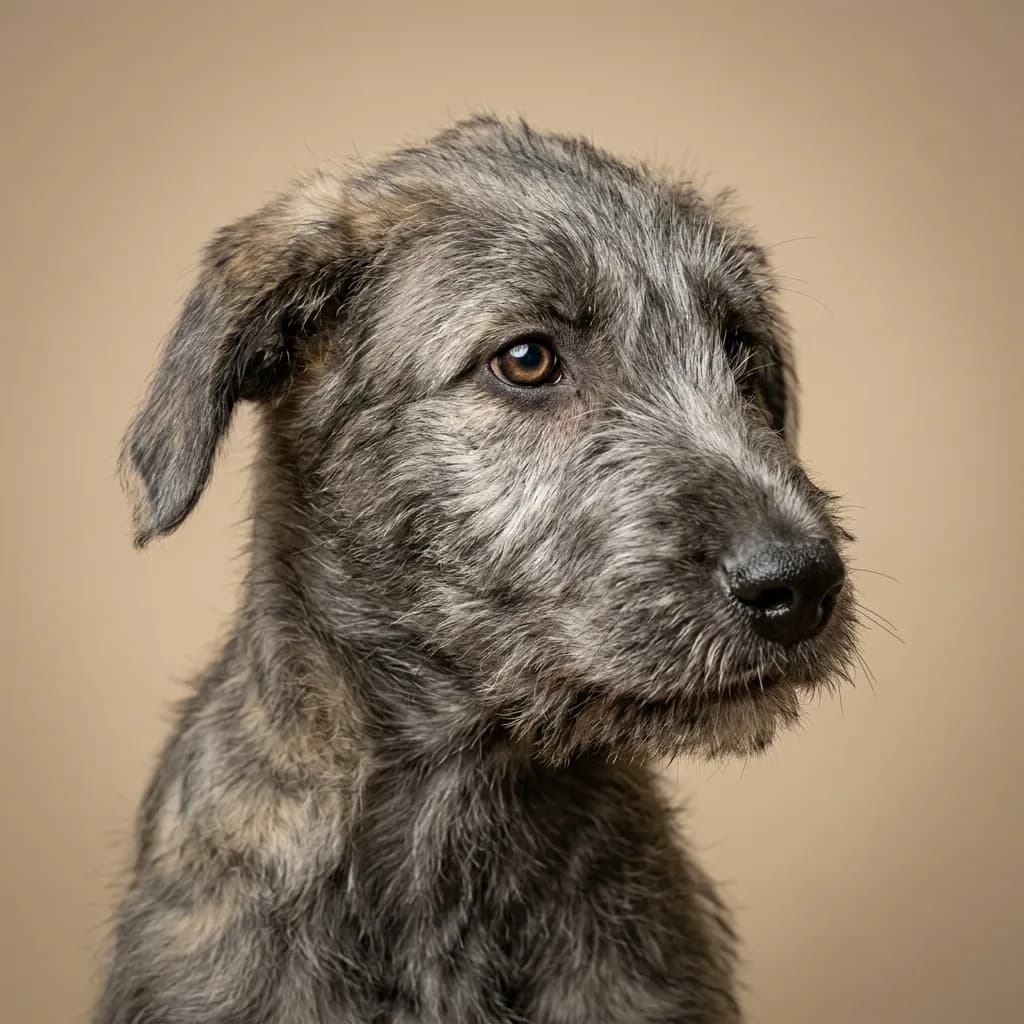
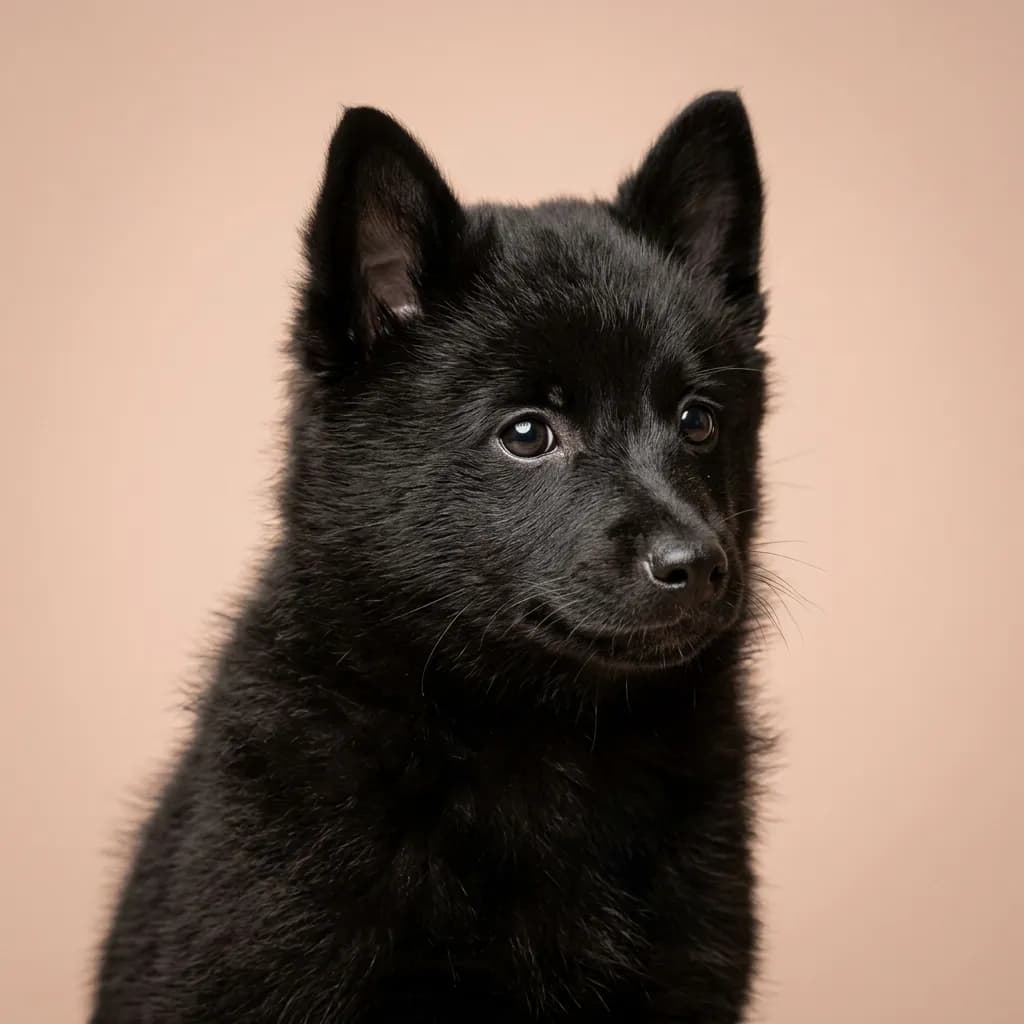
You’re not really comparing an Irish Wolfhound to a Schipperke. you’re choosing between a cathedral and a spark plug. People lump them together because they’re both dog-shaped and vaguely “unique,” but that’s like deciding between a pickup truck and a scooter based on color. One clears a room when it stands up. The other could vanish behind your couch. The Wolfhound is the gentle giant with a borrowed time. At 110 pounds of quiet dignity, it moves like a draft horse in slippers. calm, affectionate, the kind of dog that leans on your leg during thunderstorms. But you’re signing up for a heartbreak contract. Eight years is a gift. You’ll spend thousands on food, joint supplements, and emergency vet trips when bloat hits at 2 a.m. This dog needs space, yes, but more than that, it needs someone who won’t flinch at vet bills or the weight of loving something so briefly. The Schipperke? It’s the feisty black furball with a Napoleon complex and a watchdog’s lungs. It’ll bark at a leaf, train easily if you make it a game, and live well into its teens. It’s adaptable, bold, and thrives with someone who enjoys a dog with opinions. But don’t mistake small for easy. This is not a lapdog. It’s a barge rat turned family sentinel, wired to patrol and question. Pick the Wolfhound if you want a serene giant and have space, money, and emotional bandwidth for a short, deep bond. Pick the Schipperke if you want a long-lived, alert little character who’ll keep you on your toes. Here’s the truth no one says: the Wolfhound’s calm isn’t laziness. it’s the quiet of something ancient. The Schipperke’s bark isn’t noise. it’s pride. Choose based on which soul you want in your home.
Trait-by-trait
Higher bar = more of that trait. Shedding, barking, drooling, grooming flipped for readability.Where they diverge
Choose the Irish Wolfhound if…
- Families with space
- Gentle companion seekers
- Owners with large homes
- You value good with other dogs — Irish Wolfhound scores noticeably higher.
Choose the Schipperke if…
- Active owners
- Those wanting a small but bold breed
- Suburban or rural settings
- You value barking level — Schipperke scores higher here.