Irish Wolfhound vs Skye Terrier
Side-by-side comparison across all 14 AKC trait ratings, with a clear verdict on which breed fits which kind of household.
Not sure which breed fits your life?
Answer five questions about your home, your schedule, and your tolerance for shedding. We’ll match you to your top three breeds from over 200.
Irish Wolfhound vs Skye Terrier
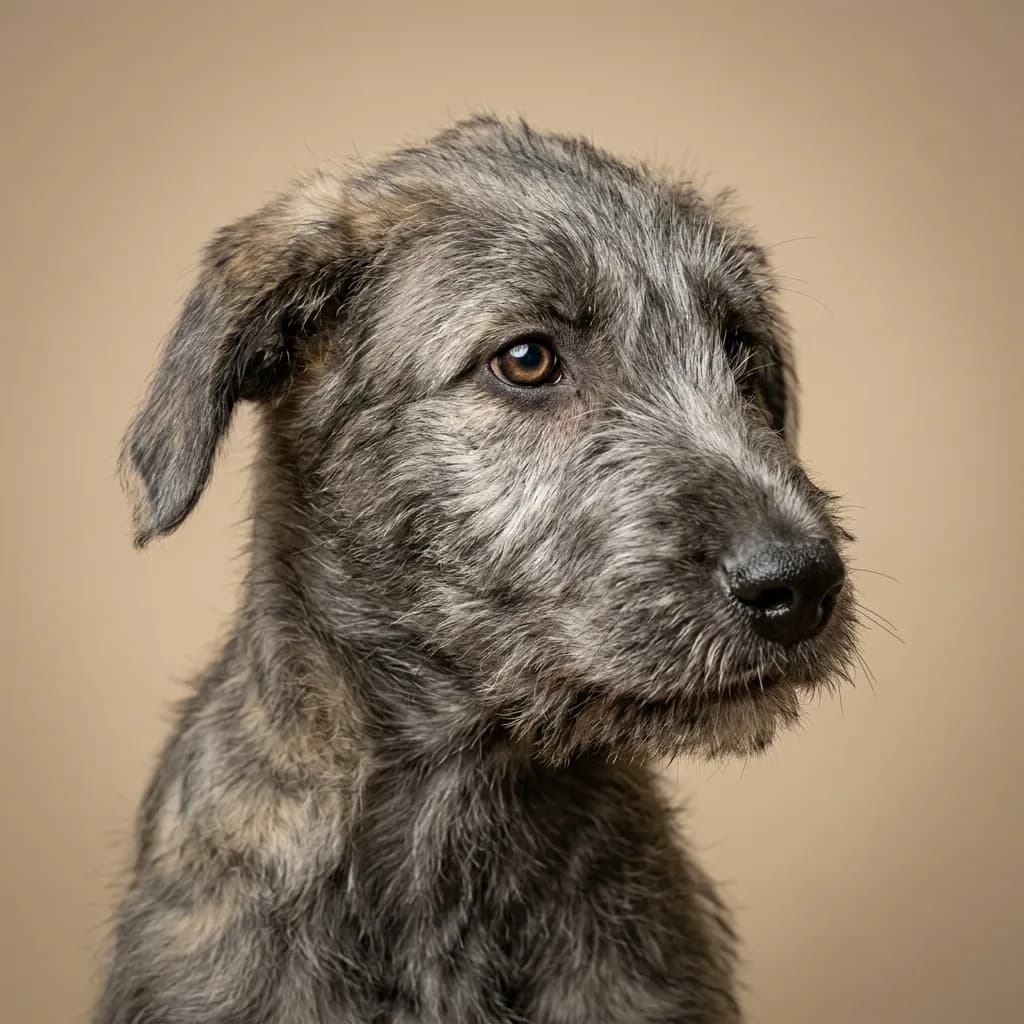
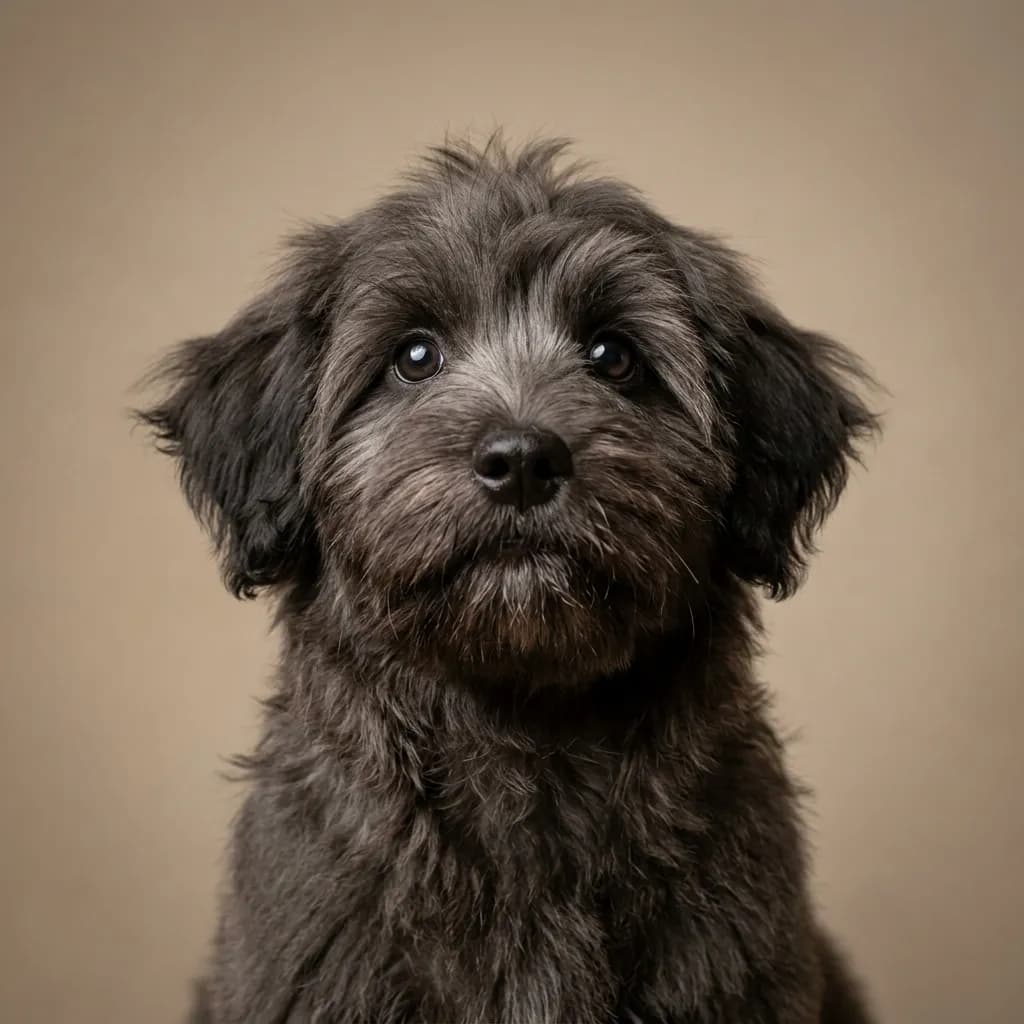
People compare Irish Wolfhounds and Skye Terriers because both are rare, dignified breeds with long coats and proud histories. but that’s where the similarities end. You’re not just choosing between big and small, you’re picking two entirely different kinds of dog energy wrapped in fur. The Irish Wolfhound is a gentle giant, yes, but don’t mistake calmness for laziness. At 110 pounds and over six feet tall when standing on hind legs, this dog needs space, quality food, and a heart ready for a shorter journey. 6 to 8 years is typical, and heart issues or bone cancer are real risks. They’re quiet, deeply affectionate, and surprisingly delicate for their size. You’ll need a yard, a car that fits them, and a budget for vet bills that won’t blink at $5,000 upfront. The Skye Terrier? Total opposite package. Low to the ground with a dramatic coat that drags on the floor, this dog packs terrier grit into 40 pounds. Bred to go after foxes in rocky dens, they’re mentally tough, loyal to one family, and can be snappy with other animals. They live longer. 12 to 14 years. but come with their own health landmines, like spinal issues from a skull deformity common in the breed. And that coat? Daily brushing or it mats into dreadlocks. The real insight? The Irish Wolfhound will break your heart when they leave too soon, but the Skye Terrier might never let you lead. One demands space and emotional readiness for loss, the other demands respect for its iron will. Pick the Wolfhound if you want love on a grand scale. Pick the Skye if you can handle a small dog who thinks he’s the boss. and actually is.
Trait-by-trait
Higher bar = more of that trait. Shedding, barking, drooling, grooming flipped for readability.Where they diverge
Choose the Irish Wolfhound if…
- Families with space
- Gentle companion seekers
- Owners with large homes
- You value watchdog / protective — Irish Wolfhound scores noticeably higher.
Choose the Skye Terrier if…
- Experienced terrier owners
- Adults and older children households
- Those wanting a loyal, devoted breed
- You value barking level — Skye Terrier scores higher here.