Japanese Chin vs Samoyed
Side-by-side comparison across all 14 AKC trait ratings, with a clear verdict on which breed fits which kind of household.

Not sure which breed fits your life?
Answer five questions about your home, your schedule, and your tolerance for shedding. We’ll match you to your top three breeds from over 200.
Japanese Chin vs Samoyed
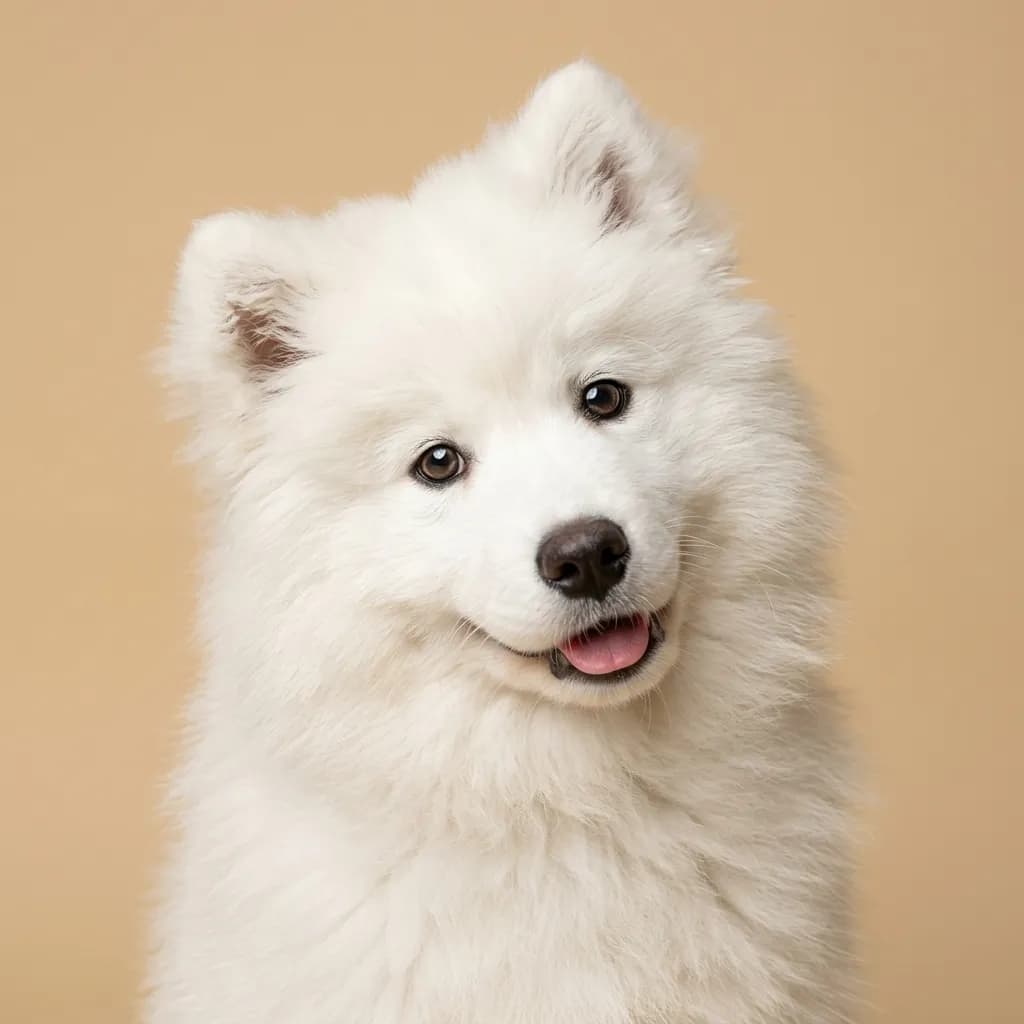
You’re probably not comparing a Japanese Chin and a Samoyed because they look anything alike. One’s a tiny, delicate companion bred for imperial laps, the other a fluffy, smiling Arctic powerhouse built for Siberian tundra life. But here’s why people end up weighing them: both are deeply affectionate, loyal, and thrive on human connection. They’re not just pets. they’re emotional teammates. So when someone’s torn between them, it’s usually because they want a devoted dog but aren’t sure what kind of life that dog should fit. The Chin is your quiet confidant. At just 7 to 11 pounds, it’s built for apartment living, curling up beside you during a movie or perching on your lap like a featherweight noble. It doesn’t bark much, adapts easily, and asks for little beyond companionship. But don’t be fooled by its calm. it’s got a cat-like alertness and can be stubborn during training. And those brachycephalic airways mean hot, humid days can be dangerous. The Samoyed, meanwhile, is joy with fur. At 35 to 65 pounds, it’s more dog. and more dog energy. It lives to engage, whether that’s pulling a sled (or at least leading a hike), greeting every stranger like family, or shedding enough white fluff to knit a sweater. It’s louder, needs more space and exercise, and absolutely will not do well in heat. But if you’ve got kids, an active lifestyle, or just want a living mood booster, it’s hard to beat. Here’s the real difference: the Chin is a quiet love letter. The Samoyed is a standing ovation. Pick the Chin if you want subtle, graceful companionship. Pick the Samoyed if your life has room for big feelings, big fur, and a dog that wants to be part of everything.
Trait-by-trait
Higher bar = more of that trait. Shedding, barking, drooling, grooming flipped for readability.Where they diverge
Choose the Japanese Chin if…
- Apartment dwellers
- Seniors
- Gentle quiet households
- You value good with other dogs — Japanese Chin scores noticeably higher.
Choose the Samoyed if…
- Active families
- Cold climate households
- Dog sports enthusiasts
- You value barking level — Samoyed scores higher here.