Keeshond vs Mudi
Side-by-side comparison across all 14 AKC trait ratings, with a clear verdict on which breed fits which kind of household.
Not sure which breed fits your life?
Answer five questions about your home, your schedule, and your tolerance for shedding. We’ll match you to your top three breeds from over 200.
Keeshond vs Mudi
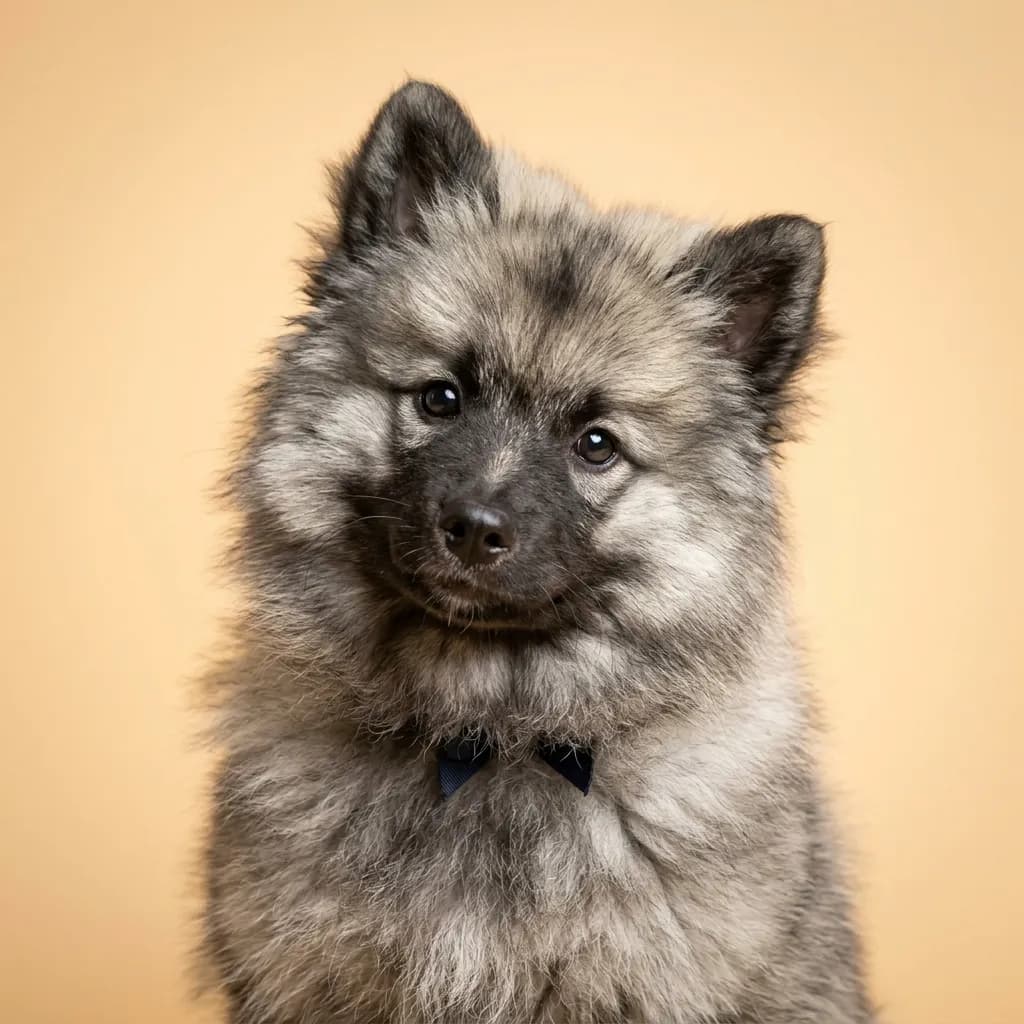
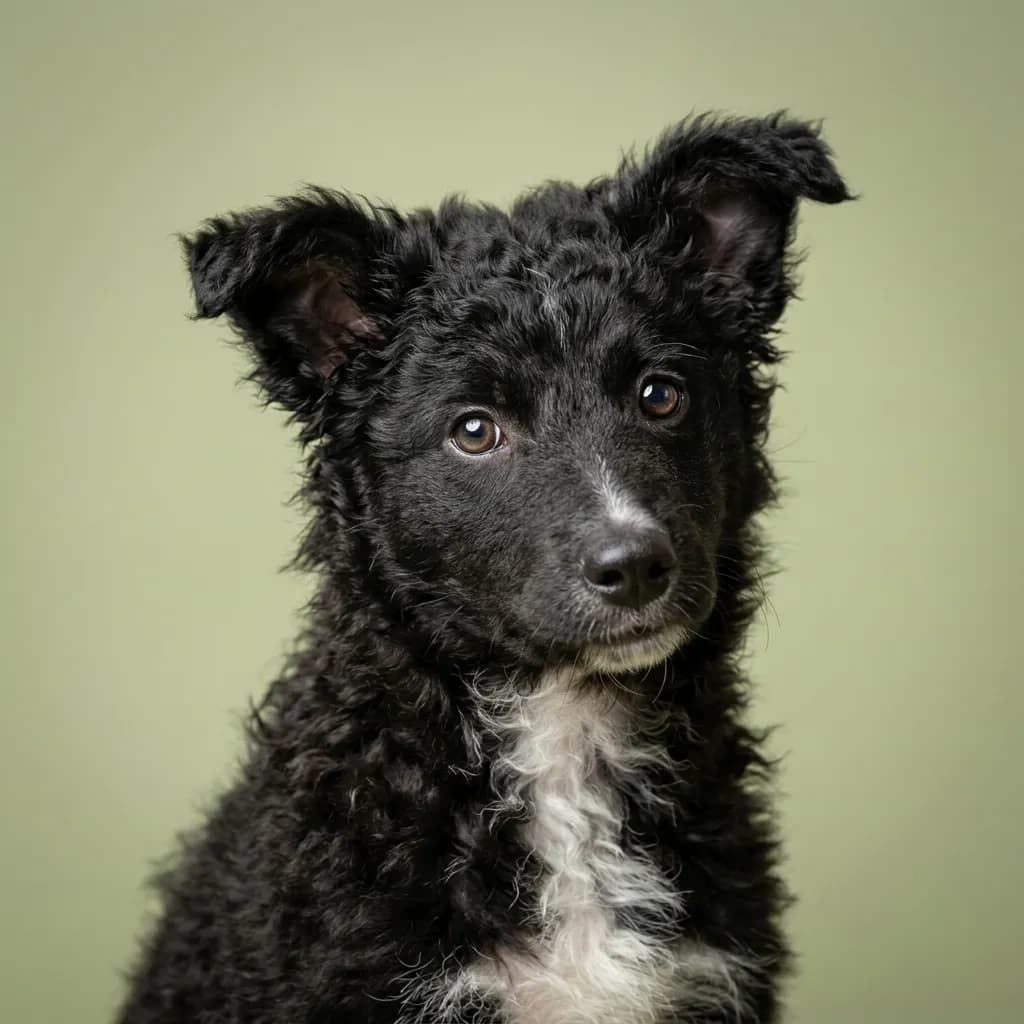
You don’t see Keeshonds and Mudies side by side at dog parks often, but if you’re torn between a fluffy, friendly companion and a wiry, work-driven dynamo, you’re probably someone who values personality and purpose. People mix them up because both are medium-sized, alert, and uncommon. but that’s where the similarity ends. The Keeshond is your cheerful, dependable neighbor who waves every morning. Bred to guard Dutch barges, they’re watchdogs with heart, barking at every delivery truck but melting when the kids come home from school. They thrive in cold weather, love routines, and bond deeply with families. You’ll never find a more affectionate, kid-tolerant dog that’s still smart enough to master obedience fast. But be ready for the dog hair tornado and a voice that doesn’t quit. The Mudi? That’s the intense, laser-focused friend who shows up late because they were training their dog in agility before dawn. This Hungarian herder lives to work, learn, and move. They’re less cuddly, less predictable with young kids, and absolutely not built for lazy Sundays. But if you’re into dog sports or need a partner who’s always three steps ahead mentally, the Mudi is unmatched. They shed less and adapt decently, but they demand mental fuel like a sports car needs premium gas. Here’s the real talk: Keeshonds want to be part of your life. Mudies want to achieve something with you. Pick the Keeshond if you want a warm, responsive family dog who’s great in snow and chaos. Choose the Mudi only if you’ve got the time, experience, and drive to keep a brilliant dog from reinventing your shed out of boredom. One’s a loyal companion. The other’s a genius in a sheepdog’s body. Know which you can handle.
Trait-by-trait
Higher bar = more of that trait. Shedding, barking, drooling, grooming flipped for readability.Where they diverge
Choose the Keeshond if…
- Families with children
- Active owners
- Cold climates
- You value good with young children — Keeshond scores noticeably higher.
Choose the Mudi if…
- Active families
- Experienced herding breed owners
- Dog sport enthusiasts
- You value energy level — Mudi scores higher here.