Keeshond vs Norrbottenspets
Side-by-side comparison across all 14 AKC trait ratings, with a clear verdict on which breed fits which kind of household.
Not sure which breed fits your life?
Answer five questions about your home, your schedule, and your tolerance for shedding. We’ll match you to your top three breeds from over 200.
Keeshond vs Norrbottenspets
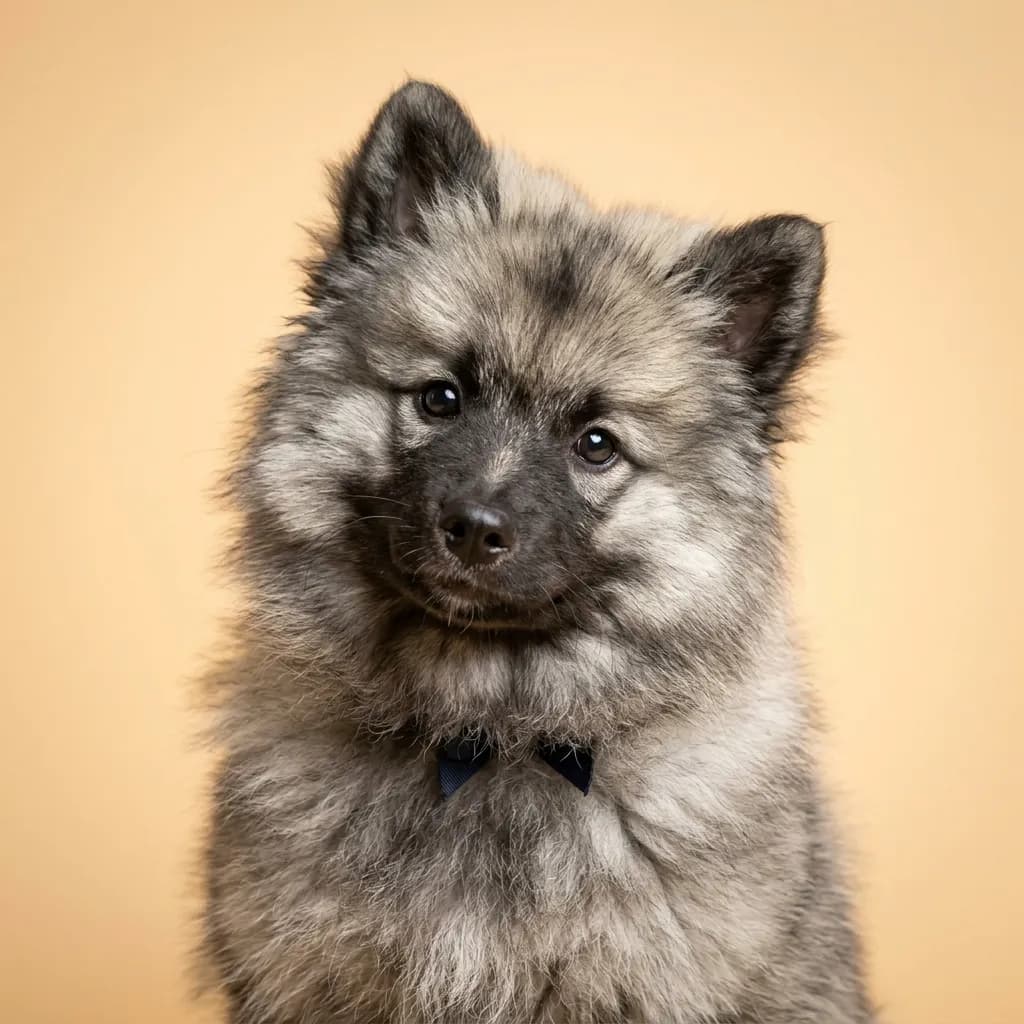
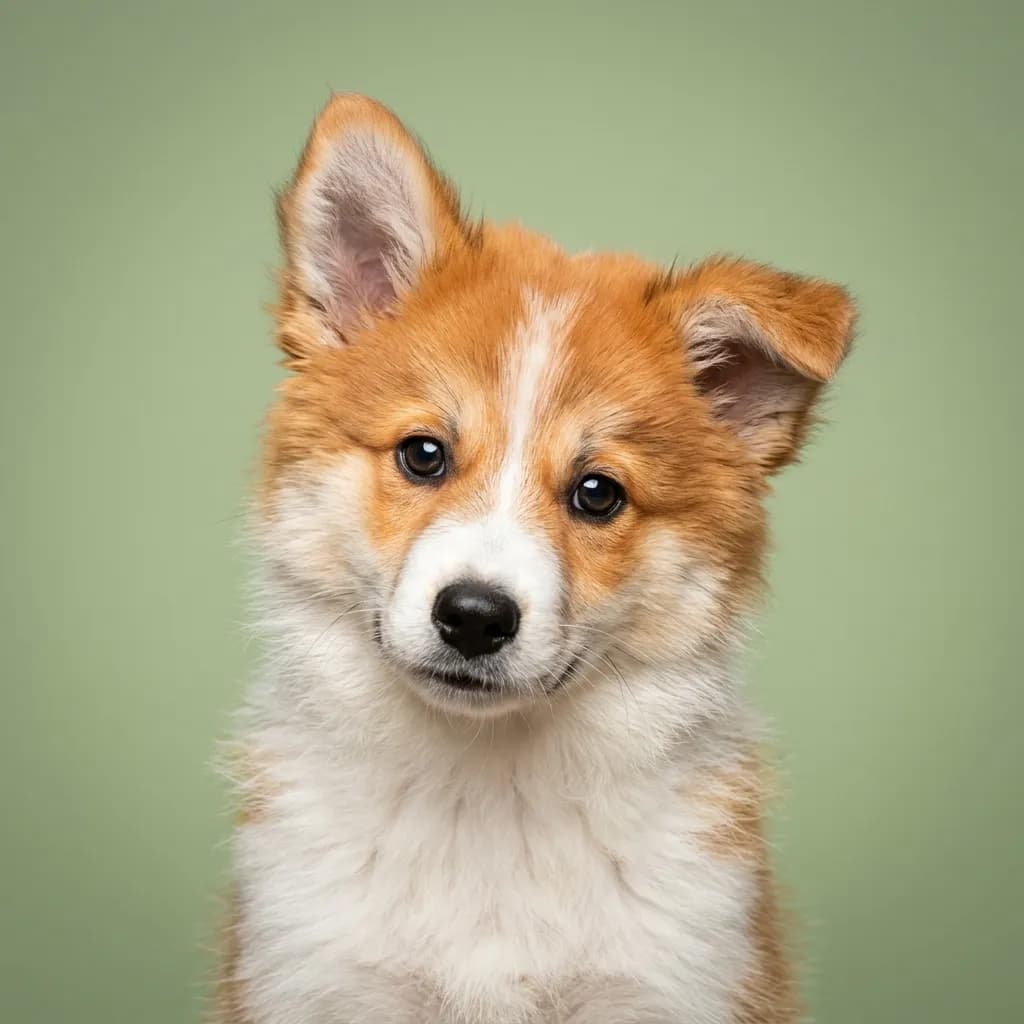
You’re probably comparing a Keeshond and a Norrbottenspets because both are fluffy northern dogs with foxlike faces and tails curled over their backs. They look like cousins at a distance, but raise the curtain and they’re built for very different lives. The Keeshond is the social butterfly of the dog world. Bred to live on Dutch barges, this friendly, lively dog thrives on human contact. It’s a 17-inch teddy bear with opinions. lots of barking, lots of affection, and a trainability score that makes it a breeze for first-time owners. If you’ve got kids, a suburban yard, and want a dog that greets every visitor like a long-lost friend, this is your guy. Just know: it sheds year-round and won’t do well in hot weather. And yes, it will talk to you. Constantly. The Norrbottenspets is a quiet hunter. From the forests of northern Sweden, it’s smaller, leaner, and wired differently. It’s attentive and agile, built to work independently, flushing birds and chasing small game with fearless precision. It’s less demonstrative, less adaptable to apartment life, and not naturally inclined to warm up to kids or strangers. You’ll need space, activity, and patience. This dog bonds deeply but on its own terms. Here’s the real difference: the Keeshond wants to be part of your family’s conversation. The Norrbottenspets is listening to the woods, not you. Pick the Keeshond if you want a loyal, chatty companion who fits neatly into family life. Choose the Norrbottenspets if you’re an active owner who values alertness, independence, and a working dog’s quiet intensity. And be honest. do you want a co-host for your daily life, or a partner for the wilder edges of it? That’s the question that really decides.
Trait-by-trait
Higher bar = more of that trait. Shedding, barking, drooling, grooming flipped for readability.Where they diverge
Choose the Keeshond if…
- Families with children
- Active owners
- Cold climates
- You value good with young children — Keeshond scores noticeably higher.
Choose the Norrbottenspets if…
- hunters
- active families
- cold climate owners