Keeshond vs Pug
Side-by-side comparison across all 14 AKC trait ratings, with a clear verdict on which breed fits which kind of household.

Not sure which breed fits your life?
Answer five questions about your home, your schedule, and your tolerance for shedding. We’ll match you to your top three breeds from over 200.
Keeshond vs Pug
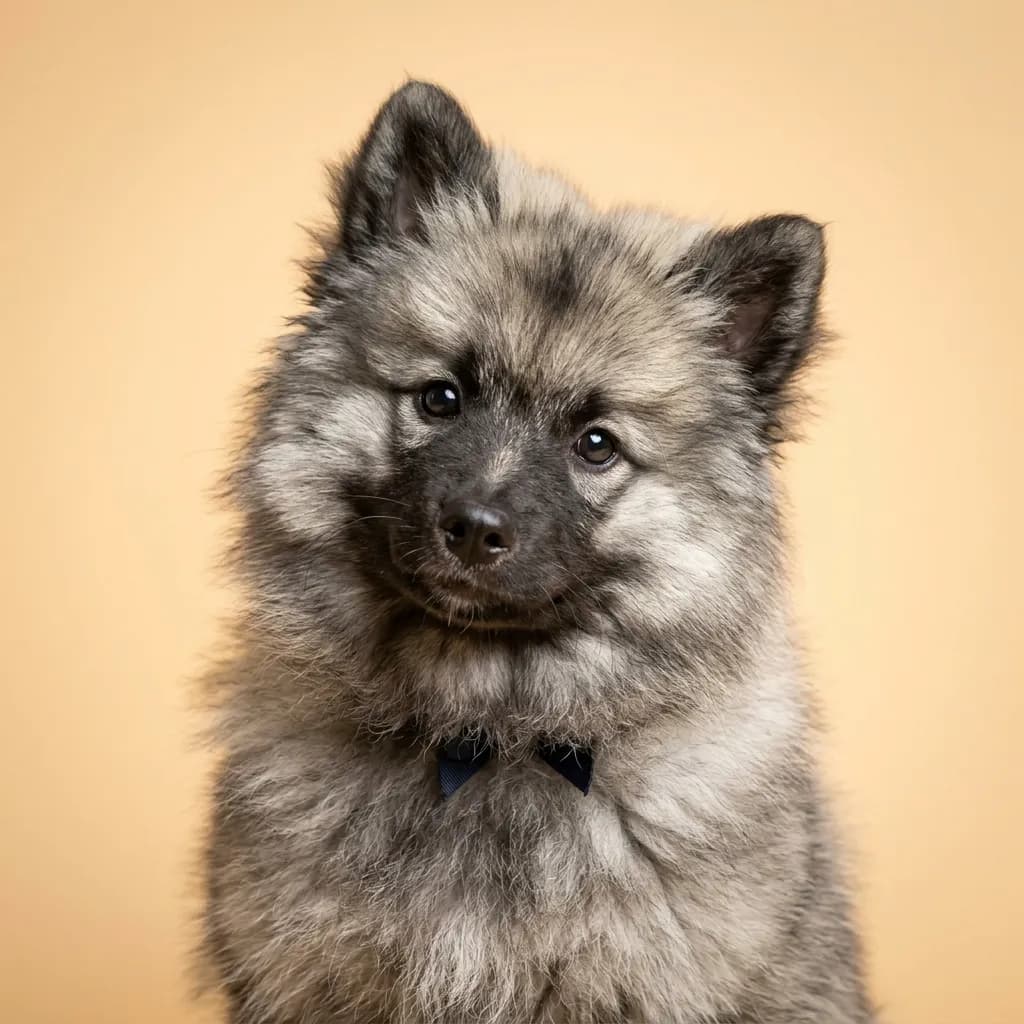
You’ll see these two compared a lot on forums. people drawn to their big eyes and “I love you” faces. but Keeshond and Pug couldn’t be more different under the hood. Both are friendly, family-friendly dogs with a goofy side, but one was built for cold riverboats in Holland, the other for palace laps in ancient China. That history shapes everything. The Keeshond is a thinker and a talker. This dog will greet you with a full-body wiggle and a howl that sounds like a wolf with opinions. They’re bright, eager to learn, and thrive on routine and mental challenges. If you hike, train, or just love a dog that’s always doing, the Keeshond fits. But they shed like a sweater in spring, and that fluffy coat? It’s a winter survival tool. this dog will overheat fast in humidity. They bark at squirrels, mail carriers, and passing clouds. If you want peace and quiet, skip it. The Pug is a couch philosopher. Lower energy, fewer demands, but just as much love. They’ll snore at your feet, charm every guest, and tolerate kids with saint-like patience. Training is possible but expect negotiations. Pugs are clever but selectively obedient. They don’t bark much, which city dwellers appreciate, but they shed constantly, a fine dusting of velvet everywhere. And those squashed faces? They mean vet bills down the road. breathing issues, eye risks, heat sensitivity. You can’t push them hard like you can a Keeshond. Here’s the truth no breeder brochure mentions: The Keeshond needs a job, even if it’s just learning tricks. Without it, they’ll invent their own. like howling duets with the vacuum. The Pug just wants to be loved. Pick based on your lifestyle, not your Instagram feed. If you’re active and don’t mind dog hair in your coffee, go Keeshond. If you want a warm, compact companion who’s happy doing nothing but adoring you, the Pug’s your dog.
Trait-by-trait
Higher bar = more of that trait. Shedding, barking, drooling, grooming flipped for readability.Where they diverge
Choose the Keeshond if…
- Families with children
- Active owners
- Cold climates
- You value barking level — Keeshond scores noticeably higher.
Choose the Pug if…
- Apartment living
- Seniors
- Families with children
- You value shedding level — Pug scores higher here.