Keeshond vs Russell Terrier
Side-by-side comparison across all 14 AKC trait ratings, with a clear verdict on which breed fits which kind of household.

Not sure which breed fits your life?
Answer five questions about your home, your schedule, and your tolerance for shedding. We’ll match you to your top three breeds from over 200.
Keeshond vs Russell Terrier
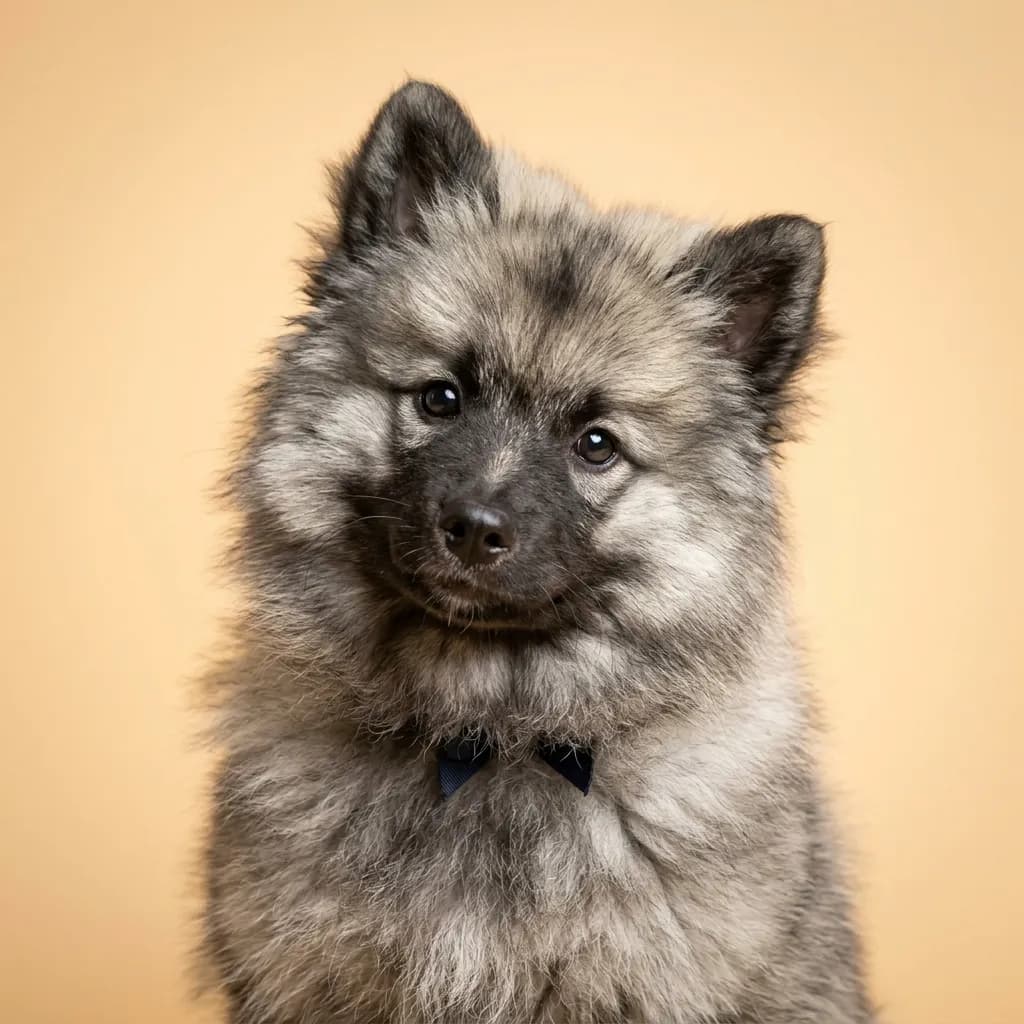
People compare Keeshonds and Russell Terriers because both are small to medium-sized, energetic dogs with big personalities and fluffy coats. They look vaguely similar in photos. compact, alert, and always ready for action. But living with one versus the other? That’s where things get real. The Keeshond is your neighborhood ambassador. He’ll greet every passerby like a long-lost friend, wagging that plume of a tail and grinning under his dramatic silver-and-gray mane. Bred to sit on Dutch canal boats and bark at anything suspicious, he’s still got that watchdog instinct. He thrives on routine, adores kids, and wants nothing more than to be part of your daily life. He’s easier to train, more adaptable to apartment living, and surprisingly gentle for a dog with so much fur. But don’t let the teddy bear look fool you. he sheds year-round and barks at the toaster if it pops too loud. The Russell Terrier is a different beast. He’s half the size but twice the intensity. Imagine a coiled spring with ears. He was built to dive into fox dens, which means he’s fearless, stubborn, and wired for problem-solving. He’ll love you fiercely. on his terms. Training requires patience, recall is a pipe dream in open fields, and if you have a pet hamster? Just don’t. He’s better with older kids who know not to pull tails. Here’s the truth beyond the data: the Keeshond wants to belong to you. The Russell Terrier merely tolerates letting you belong to him. If you want partnership with enthusiasm, go Keeshond. If you want a fiery little daredevil who keeps life unpredictable, get the Russell. And good luck getting either one to stop barking at squirrels.
Trait-by-trait
Higher bar = more of that trait. Shedding, barking, drooling, grooming flipped for readability.Where they diverge
Choose the Keeshond if…
- Families with children
- Active owners
- Cold climates
- You value good with young children — Keeshond scores noticeably higher.
Choose the Russell Terrier if…
- Active owners
- Dog sports enthusiasts
- Families with older children
- You value energy level — Russell Terrier scores higher here.