Keeshond vs Spanish Water Dog
Side-by-side comparison across all 14 AKC trait ratings, with a clear verdict on which breed fits which kind of household.

Not sure which breed fits your life?
Answer five questions about your home, your schedule, and your tolerance for shedding. We’ll match you to your top three breeds from over 200.
Keeshond vs Spanish Water Dog
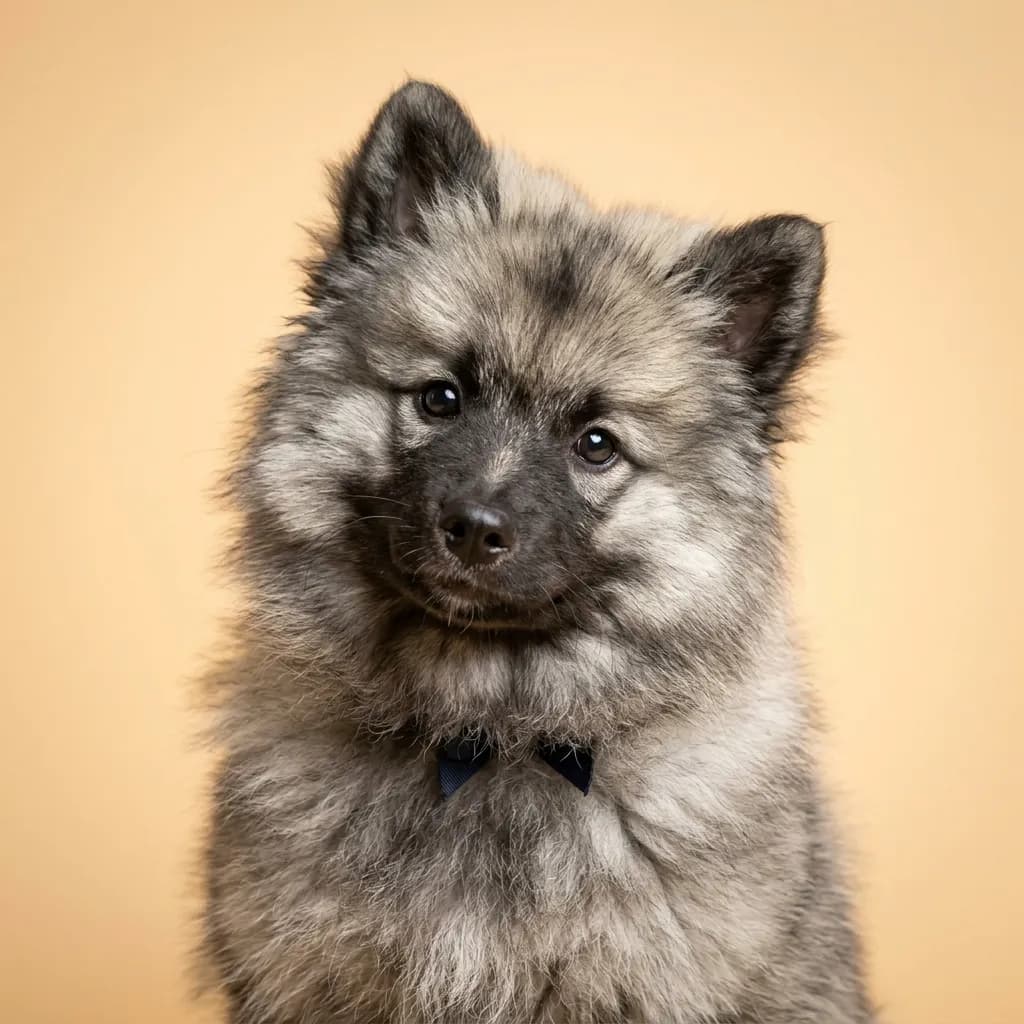
You don’t see a Keeshond and Spanish Water Dog side by side at dog parks every day, but people compare them for a reason. Both are medium-sized, curly-coated, energetic dogs with a teddy bear or dreadlock aesthetic that turns heads. On paper, they seem like twin answers to the question “What if I want a loyal, smart, family-friendly dog?” But in real life, they solve that problem in very different ways. The Keeshond is your cheerful neighborhood greeter. He’ll bark at the mailman, yes, and you’ll need to brush him weekly, but he’s built for connection. He thrives in a family routine, loves kids, adapts to apartments or houses, and wants nothing more than to be your shadow. He’s the dog that makes first-time owners feel like pros because he’s eager to please and emotionally transparent. The Spanish Water Dog? He’s not built for ease. He’s built for purpose. Even if you’re not herding sheep or hunting ducks, he needs a job. This isn’t a couch companion. He bonds fiercely with his people and adores kids, but he’s intense. His corded coat doesn’t shed, great for allergies, but it requires commitment. either grooming or letting the cords form naturally, which means dirt and debris can get trapped if you’re not diligent. Here’s the real difference: the Keeshond wants to be part of your life. The Spanish Water Dog wants to work in it. If you hike, train, compete, or have a farm, he’s magic. If you want a friendly, low-drama family pet who can handle winter walks and summer BBQs with equal joy, go Keeshond. And if you think you want a Spanish Water Dog but don’t have an outlet for his drive, you’ll end up with a brilliant dog who’s bored. and a bored SWD is not a peaceful houseguest.
Trait-by-trait
Higher bar = more of that trait. Shedding, barking, drooling, grooming flipped for readability.Where they diverge
Choose the Keeshond if…
- Families with children
- Active owners
- Cold climates
- You value good with other dogs — Keeshond scores noticeably higher.
Choose the Spanish Water Dog if…
- Active owners
- Allergy sufferers
- Dog sports enthusiasts
- You value coat grooming — Spanish Water Dog scores higher here.