Kishu Ken vs Swedish Lapphund
Side-by-side comparison across all 14 AKC trait ratings, with a clear verdict on which breed fits which kind of household.
Not sure which breed fits your life?
Answer five questions about your home, your schedule, and your tolerance for shedding. We’ll match you to your top three breeds from over 200.
Kishu Ken vs Swedish Lapphund
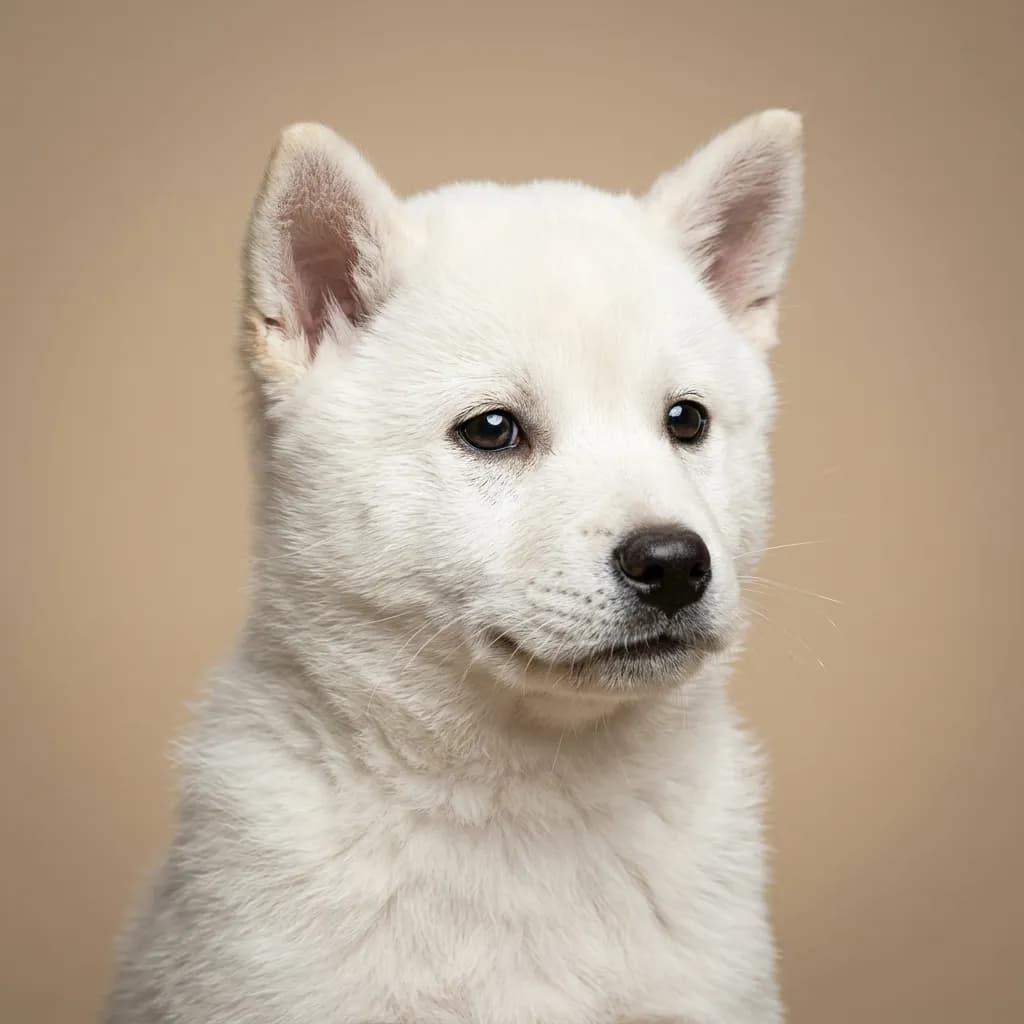
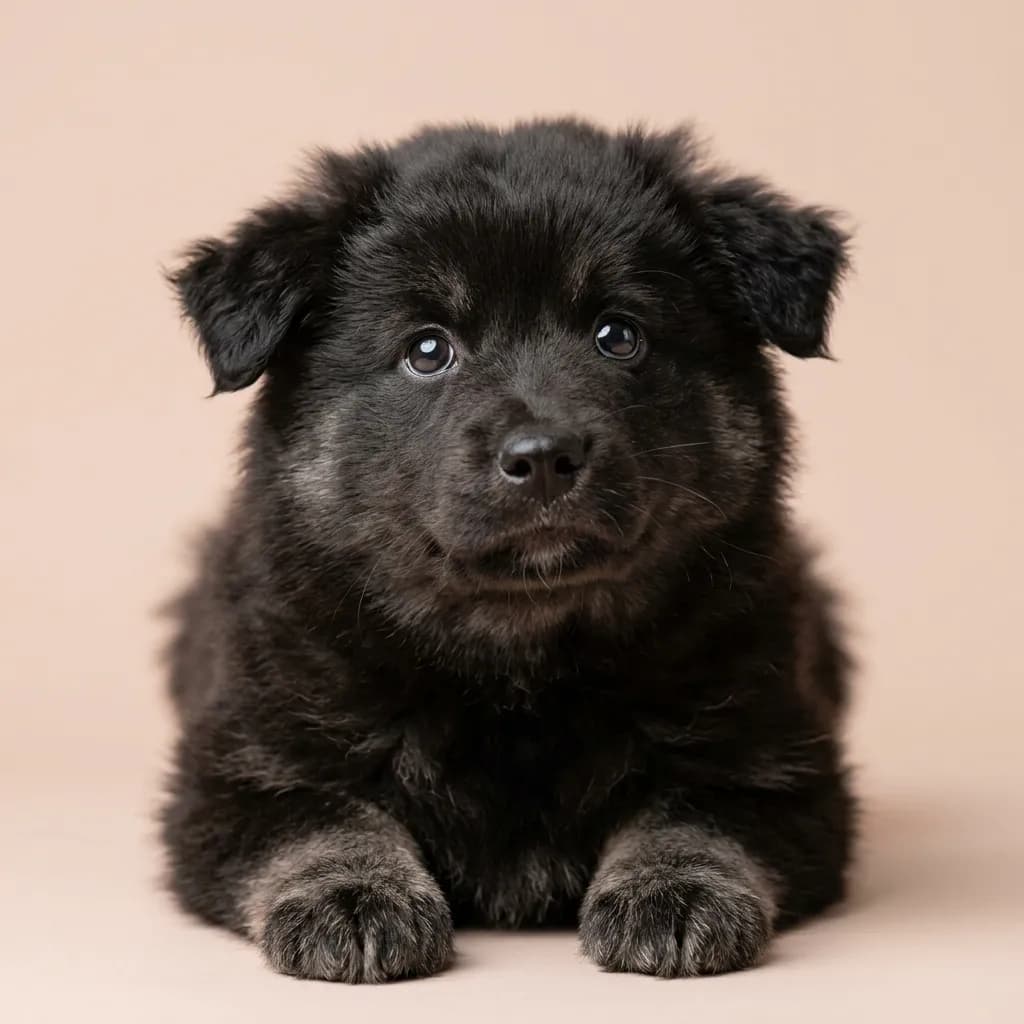
People compare the Kishu Ken and Swedish Lapphund because they’re both rare, spitz-type breeds with fox-like faces and thick double coats that thrive in cold weather. At a glance, they look like distant cousins. But spend time with them, and you’ll realize they’re built for entirely different lives. The Kishu Ken is a quiet ghost in dog form. Bred to stalk deer and wild boar in the mountain forests of Japan, it’s focused, independent, and deeply loyal to one or two people. It won’t bark unless something’s wrong, which makes it a stealthy companion for rural living. But don’t be fooled by its calm exterior. it’s not a cuddler, and it’s not for beginners. It’s aloof with kids, wary of strangers, and can be cat-sized-pet-dangerous if that squirrel-chase instinct kicks in. You need space, experience, and the patience to work with a dog that thinks for itself. The Swedish Lapphund is its opposite in spirit. This dog wants to be part of the family circus. Bred to chatter at reindeer and keep Sami herders company, it’s vocal, affectionate, and eager to please. It thrives in active homes where it can learn tricks, do dog sports, or just snuggle after a long hike. It’s not as aloof, and it’s far more adaptable. but that bark? It’ll alert you to the mail, the breeze, and its own shadow. If you live in an apartment or hate noise, this isn’t the dog. Here’s the real difference: the Kishu Ken respects you like a disciplined apprentice. The Swedish Lapphund loves you like an overexcited best friend. Pick based on which relationship you want. And if you’re not ready to brush out a heavy shedder twice a week in both cases, reconsider your life choices.
Trait-by-trait
Higher bar = more of that trait. Shedding, barking, drooling, grooming flipped for readability.Where they diverge
Choose the Kishu Ken if…
- Experienced dog owners
- Active owners
- Cold climates
- You value good with strangers — Kishu Ken scores noticeably higher.
Choose the Swedish Lapphund if…
- Active families
- Cold climate households
- Dog sports enthusiasts
- You value barking level — Swedish Lapphund scores higher here.