Kromfohrlander vs Otterhound
Side-by-side comparison across all 14 AKC trait ratings, with a clear verdict on which breed fits which kind of household.
Not sure which breed fits your life?
Answer five questions about your home, your schedule, and your tolerance for shedding. We’ll match you to your top three breeds from over 200.
Kromfohrlander vs Otterhound
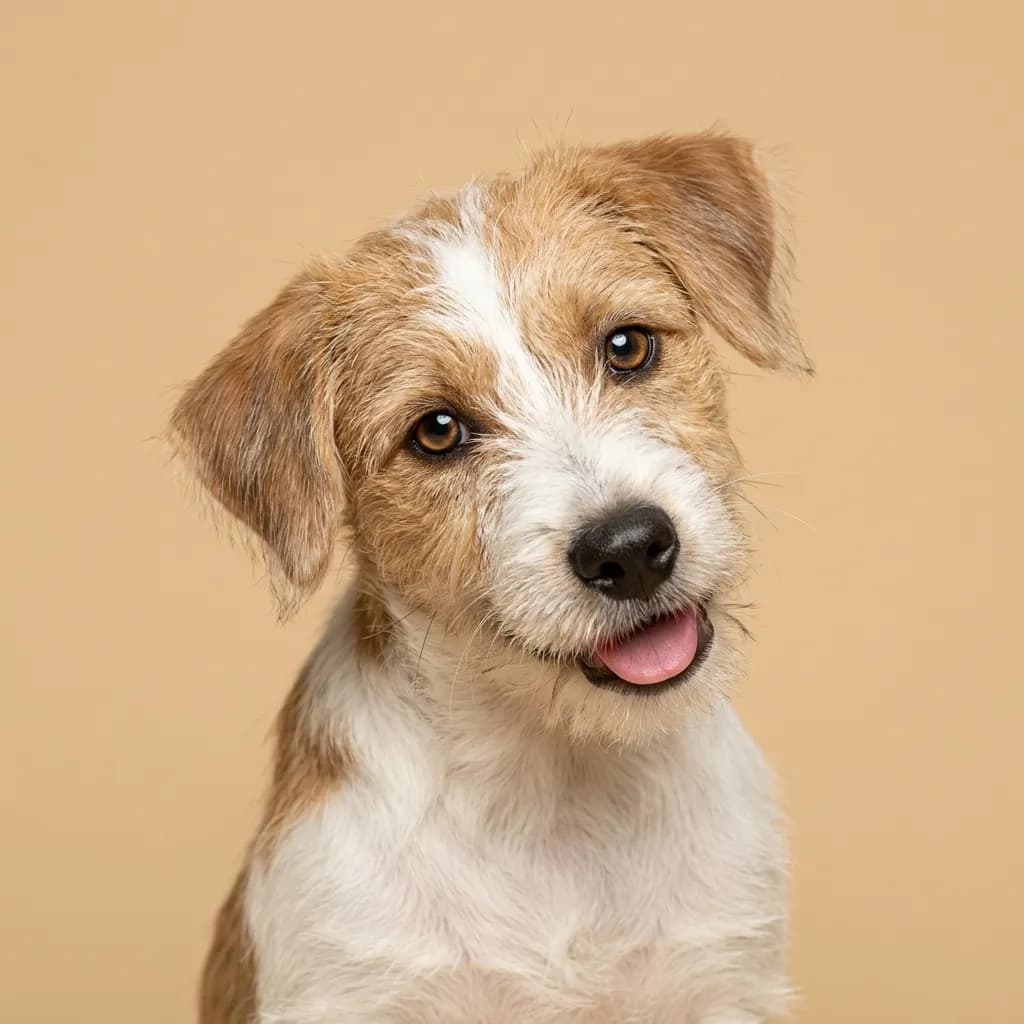
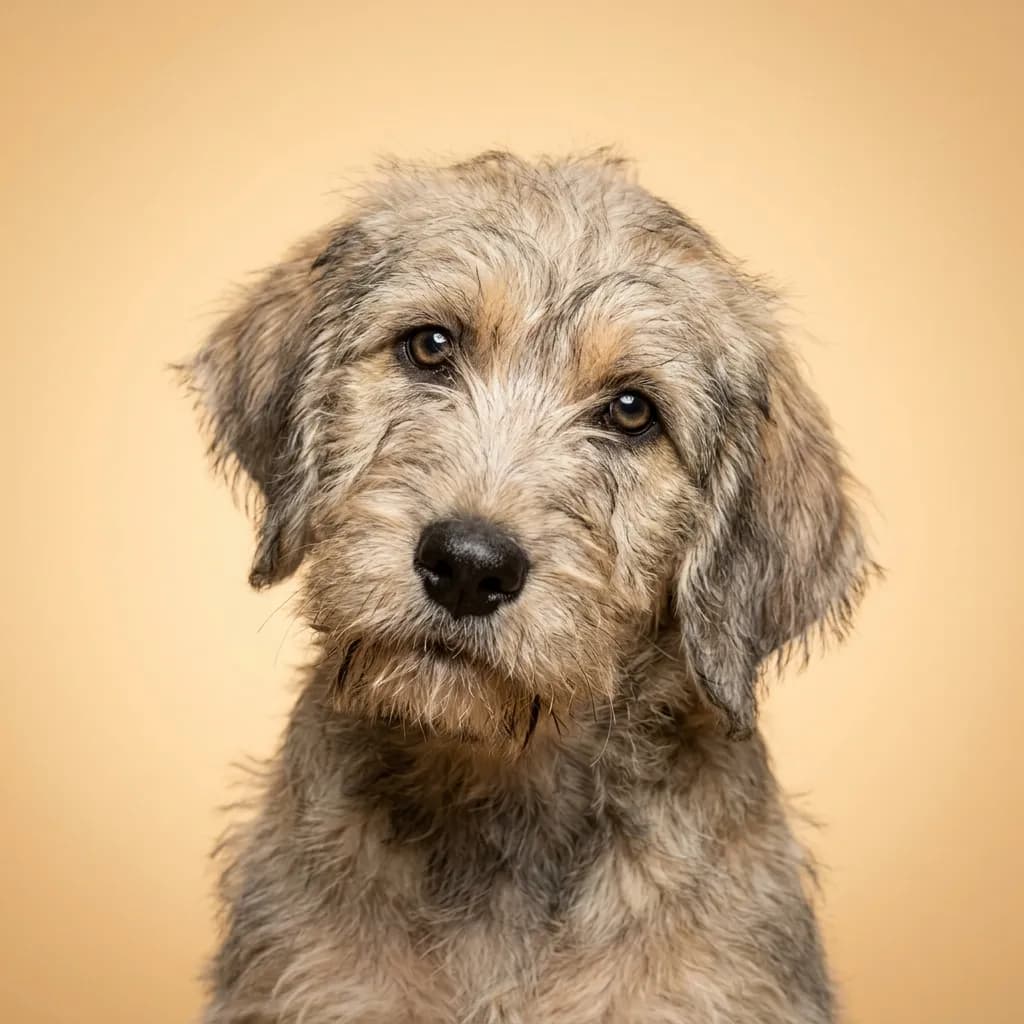
People don’t usually pit the compact Kromfohrlander against the massive Otterhound, but if you’re torn between a smart, sensitive family companion and a big, boisterous outdoor partner, that’s probably why. These two share a surprising trait. they’re both rare, both affectionate, and both shed less than you’d expect for their coat types. But that’s where the similarity ends. The Kromfohrlander is the quiet thinker of the two. a midsize German breed built for companionship, not labor. At 20 to 35 pounds, it fits neatly into suburban life or even a well-exercised apartment routine. It’s eager to please, picks up training fast, and bonds deeply with its people. If you want a dog who curls up after a walk and doesn’t need constant stimulation, this one’s your match. Just know it craves attention and won’t do well left alone for hours. The Otterhound? You’re signing up for a lifestyle. Weighing 80 to 115 pounds, this shaggy, drooly giant was built to splash through rivers hunting otters. so it’s loud, independent-minded, and will bark at passing deer like it’s its job. It’s not hyper, but its size and voice make it a non-starter in apartments or quiet neighborhoods. Still, it’s deeply affectionate with its family and surprisingly good with kids if raised together. Here’s the real talk: the Kromfohrlander thrives on routine and closeness; the Otterhound will test your patience with stubborn streaks and that unmistakable hound stench after rain. Pick the first if you want a quiet partner in everyday life. Pick the second only if you’ve got space, patience, and don’t mind a dog that acts like it owns the place.
Trait-by-trait
Higher bar = more of that trait. Shedding, barking, drooling, grooming flipped for readability.Where they diverge
Choose the Kromfohrlander if…
- families
- apartment living with sufficient exercise
- allergy-sensitive owners (smooth coat)
- You value good with young children — Kromfohrlander scores noticeably higher.
Choose the Otterhound if…
- Active families
- Rural settings
- Outdoor and swimming enthusiasts
- You value drooling level — Otterhound scores higher here.