Lakeland Terrier vs Samoyed
Side-by-side comparison across all 14 AKC trait ratings, with a clear verdict on which breed fits which kind of household.

Not sure which breed fits your life?
Answer five questions about your home, your schedule, and your tolerance for shedding. We’ll match you to your top three breeds from over 200.
Lakeland Terrier vs Samoyed
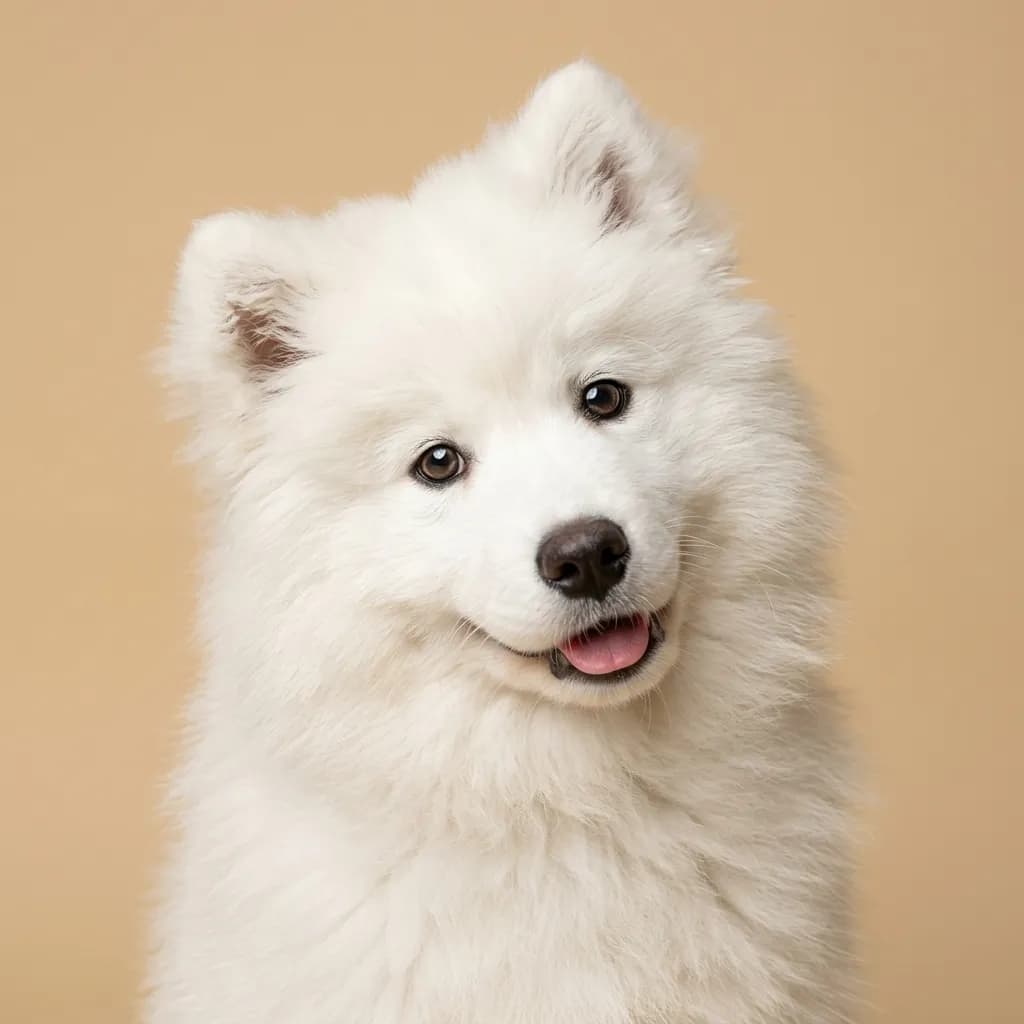
People compare Lakeland Terriers and Samoyeds when they’re drawn to spirited, white-coated dogs with bold personalities but don’t realize how wildly different their realities are. One’s a compact fox-hunting dynamo from the English fells; the other’s a smiling, snow-loving sled dog built for Arctic survival. If you’re picturing a fluffy white pup that’s easygoing and family-friendly, you’re thinking of the Samoyed. But if you want a feisty little watchdog that’ll dig under fences and outsmart you daily, the Lakeland’s your match. The Samoyed is a social, high-energy family dog that thrives on interaction and cold weather. They’re deeply affectionate, great with kids, and love being part of every activity, but they bark. often and loudly. and demand serious grooming. Expect white fur on everything, especially in summer. Lakelands are smaller, spunkier, and more independent. They’re easier on allergies with their low-shedding coat, but they’re terriers through and through: stubborn, bold, and prone to chasing small animals. They bond fiercely with their people but won’t obey just because you asked nicely. Active families in cooler climates who want a loyal, people-oriented dog should lean Samoyed. Experienced owners who appreciate terrier tenacity and want a compact, alert companion might adore the Lakeland. Here’s the truth beyond the brochures: the Samoyed’s smile is disarming, but it hides a dog that won’t let you sleep through the night if under-stimulated. And the Lakeland? That compact body houses the heart of a hunter. You’re not training him so much as negotiating with him. Pick the Samoyed if you want a joyful, demanding family centerpiece. Pick the Lakeland if you want a brave little partner who’ll challenge you every step of the way.
Trait-by-trait
Higher bar = more of that trait. Shedding, barking, drooling, grooming flipped for readability.Where they diverge
Choose the Lakeland Terrier if…
- Active owners
- Experienced terrier handlers
- Allergy sufferers
Choose the Samoyed if…
- Active families
- Cold climate households
- Dog sports enthusiasts
- You value good with young children — Samoyed scores higher here.