Lapponian Herder vs Samoyed
Side-by-side comparison across all 14 AKC trait ratings, with a clear verdict on which breed fits which kind of household.

Not sure which breed fits your life?
Answer five questions about your home, your schedule, and your tolerance for shedding. We’ll match you to your top three breeds from over 200.
Lapponian Herder vs Samoyed
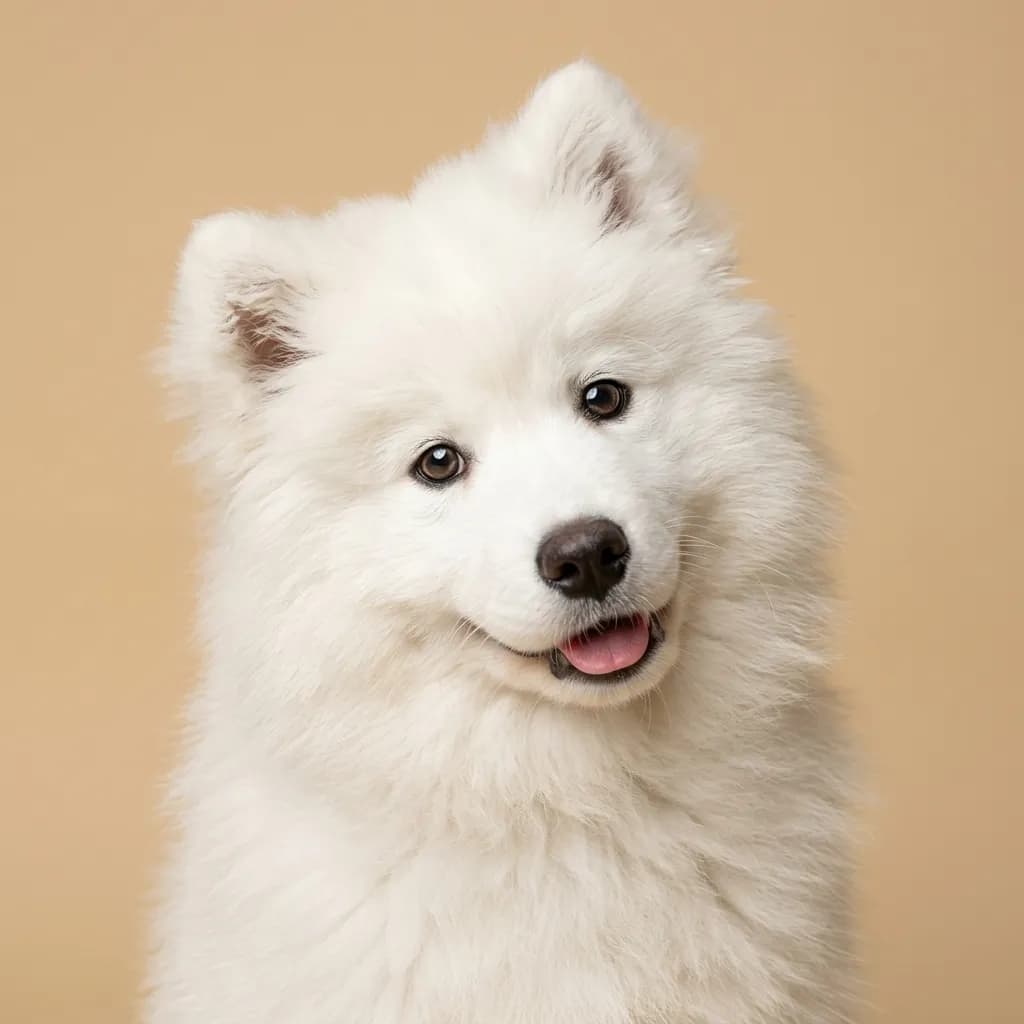
You’re probably comparing these two because they look like they just walked out of a snow globe. fluffy, smiling, built for the Arctic. And sure, they both herded reindeer in frozen tundras and still thrive in cold climates. But that’s where the real story splits. The Lapponian Herder is the lean, focused athlete of the bunch, bred for precision and endurance with the Sami people. The Samoyed is the social butterfly, bred to work alongside families in tight-knit tribes, pulling sleds and sleeping in tents to keep everyone warm. Here’s what the numbers don’t fully tell you: the Samoyed is a full-time companion. They’re softer in temperament, more adaptable to suburban life, and they’ll win over your neighbors with that famous “Sammy smile.” But they bark. A lot. Like, “the mailman passed by three houses ago and they’re still commenting on it” kind of bark. And while both breeds shed, the Samoyed’s coat demands brushing several times a week, not just for looks. it’s a functional barrier against heat and cold. The Lapponian Herder, on the other hand, is less about cuddling on the couch and more about having a job to do. They’re fiercely intelligent and need real mental work. herding trials, nose work, anything that makes them think. They’re less forgiving of apartment life or inactive owners. Kids? Both can do fine, but the Samoyed is simply more tolerant and patient. If you want a dog that’s part family therapist, part polar bear, go Samoyed. If you want a driven, responsive partner for adventure and work, the Lapponian Herder will outlast and outperform. Just don’t expect either to be quiet. And whatever you do, don’t skip the brushing. your vacuum will thank you later.
Trait-by-trait
Higher bar = more of that trait. Shedding, barking, drooling, grooming flipped for readability.Where they diverge
Choose the Lapponian Herder if…
- active families
- cold climates
- herding and working dog enthusiasts
- You value drooling level — Lapponian Herder scores noticeably higher.
Choose the Samoyed if…
- Active families
- Cold climate households
- Dog sports enthusiasts
- You value good with young children — Samoyed scores higher here.