Maltese vs Swedish Lapphund
Side-by-side comparison across all 14 AKC trait ratings, with a clear verdict on which breed fits which kind of household.

Not sure which breed fits your life?
Answer five questions about your home, your schedule, and your tolerance for shedding. We’ll match you to your top three breeds from over 200.
Maltese vs Swedish Lapphund
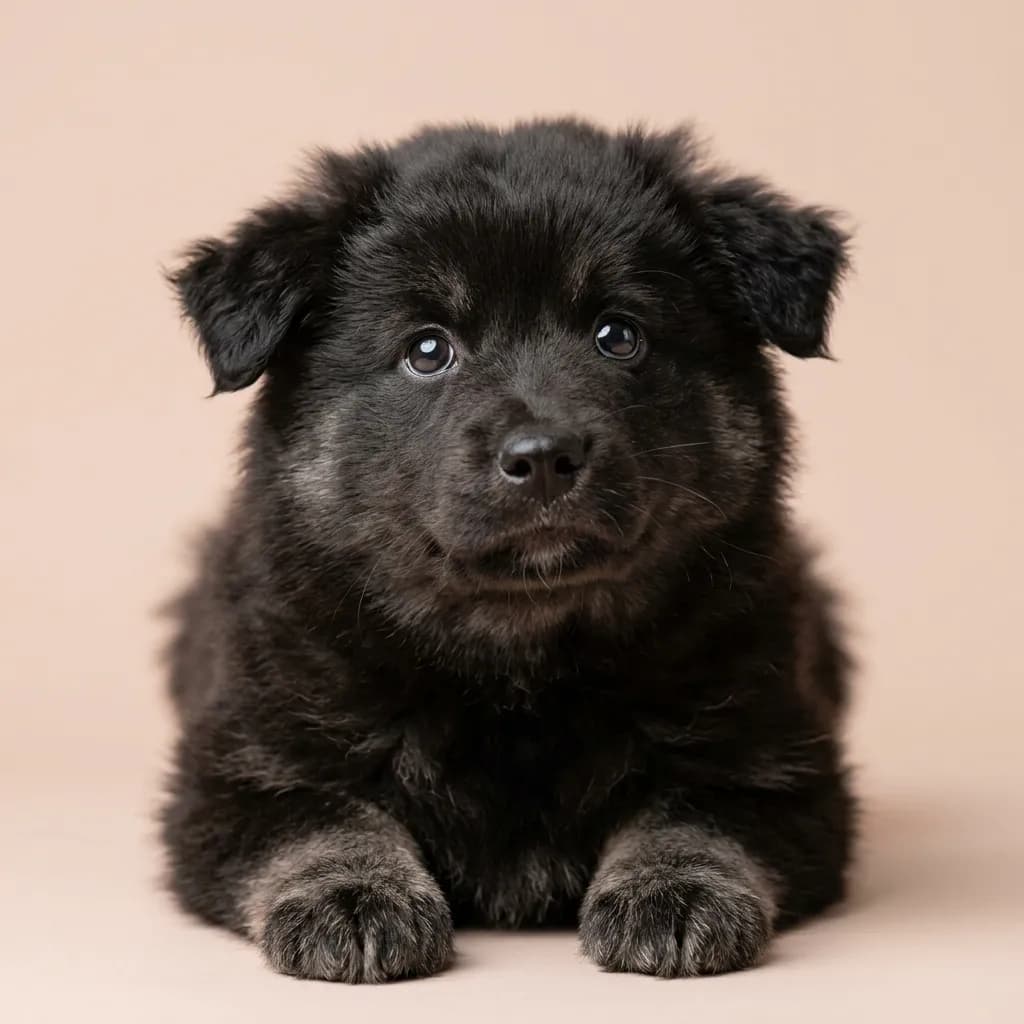
You’re probably not comparing a Maltese and a Swedish Lapphund because they look alike. they don’t. You’re comparing them because someone told you both are “small, fluffy, and friendly,” and now you’re confused. Let’s fix that. The Maltese is the ultimate lapdog. At just 7 pounds, it’s built for perching on your shoulder during Zoom calls or curling up in your sweater when you take it to the coffee shop. It’s gentle, charming, and clings to affection like it’s its job. because it kind of is. This dog was bred to be a living accessory for nobles lounging in Mediterranean villas. It’s low-shedding, great for people with allergies, and fits perfectly in apartments. But don’t be fooled by its size. It doesn’t love chaotic homes with toddlers who might pull its hair, and it hates being left alone. If you travel a lot, this isn’t your dog. The Swedish Lapphund, on the other hand, is a working dog in a cute coat. Think reindeer herding in Arctic Sweden, not palace lounging. It’s three times the size, with energy to spare and a brain that needs jobs. It’s just as affectionate but packs a bigger bark, sheds more, and needs daily mental and physical challenges. It thrives in cold climates and active homes where it can hike, train, or compete. Here’s the real difference: the Maltese wants to be loved. The Lapphund wants to do. Pick the Maltese if you want a portable, low-shedding companion who’s always down for cuddles. Choose the Lapphund if you’ve got outdoor adventures and need a smart partner who’ll also snuggle after a long day. And here’s the thing no one says: both can be barkers. But while the Maltese yaps from loneliness, the Lapphund barks because it has something to say. Know which kind of conversation you’re signing up for.
Trait-by-trait
Higher bar = more of that trait. Shedding, barking, drooling, grooming flipped for readability.Where they diverge
Choose the Maltese if…
- Apartment living
- Allergy sufferers
- Seniors
- You value coat grooming — Maltese scores noticeably higher.
Choose the Swedish Lapphund if…
- Active families
- Cold climate households
- Dog sports enthusiasts
- You value shedding level — Swedish Lapphund scores higher here.