Manchester Terrier vs Samoyed
Side-by-side comparison across all 14 AKC trait ratings, with a clear verdict on which breed fits which kind of household.

Not sure which breed fits your life?
Answer five questions about your home, your schedule, and your tolerance for shedding. We’ll match you to your top three breeds from over 200.
Manchester Terrier vs Samoyed
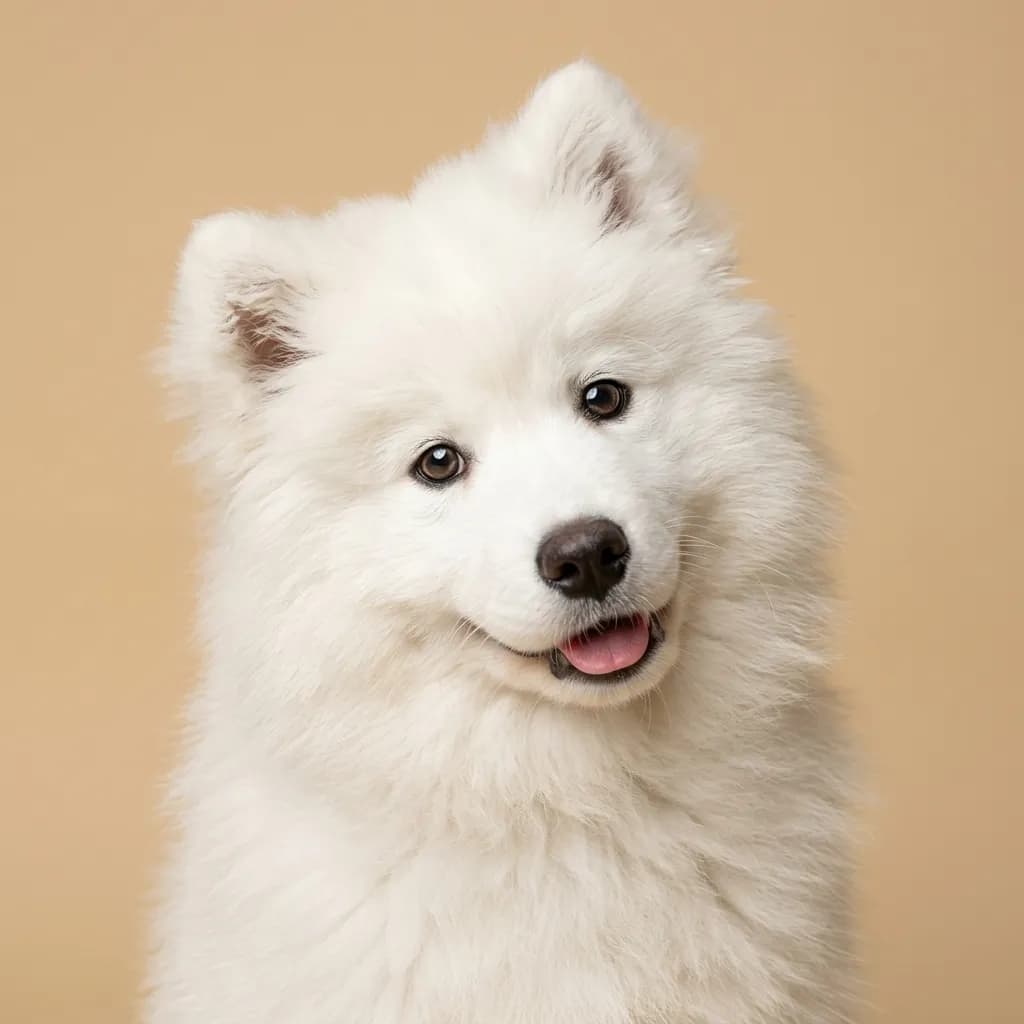
You’re probably comparing the Manchester Terrier and the Samoyed because both are active, clever dogs with a touch of old-world charm. Maybe you want a standout coat or a breed that’s not everywhere on the dog park scene. But beyond the novelty, these two couldn’t be more different in daily life. The Manchester Terrier is your sharp little shadow. lean, sleek, and always alert. At 12 to 22 pounds, he’s light enough to hop on the couch without warning, but don’t mistake him for a lapdog. He’s built for action, bred to chase rats, and that focus hasn’t worn off. He’ll learn tricks fast, thrive in agility, and bond fiercely with you. But he might not tolerate a household full of guinea pigs or cats, and his bark is frequent and loud. He’s low-shedding, sure, but his energy and vigilance mean he needs structure, not just walks. The Samoyed, meanwhile, is a cloud with a smile. Big, fluffy, and built for Arctic winters, this dog lives to please and will greet your kids, neighbors, and mail carrier with equal enthusiasm. Weighing up to 65 pounds and shedding year-round (yes, even with seasonal blowing of the coat), he’s a grooming commitment. And the barking? He’ll announce everything. But in a cold climate or active family, his friendly nature and love for outdoor adventures shine. Here’s the real talk: the Manchester is a precision instrument, the Samoyed a warm-hearted extrovert. Pick the Manchester if you want a keen, compact partner who’s always one step ahead of you. Choose the Samoyed if your life is full, loud, and you don’t mind dog hair on your black pants forever. One’s a watchful ally, the other a joyful life partner. Know which role you’re casting for.
Trait-by-trait
Higher bar = more of that trait. Shedding, barking, drooling, grooming flipped for readability.Where they diverge
Choose the Manchester Terrier if…
- Active owners
- Experienced terrier handlers
- Those wanting a low-shedding dog
Choose the Samoyed if…
- Active families
- Cold climate households
- Dog sports enthusiasts
- You value good with strangers — Samoyed scores higher here.