Mastiff vs Slovensky Cuvac
Side-by-side comparison across all 14 AKC trait ratings, with a clear verdict on which breed fits which kind of household.
Not sure which breed fits your life?
Answer five questions about your home, your schedule, and your tolerance for shedding. We’ll match you to your top three breeds from over 200.
Mastiff vs Slovensky Cuvac
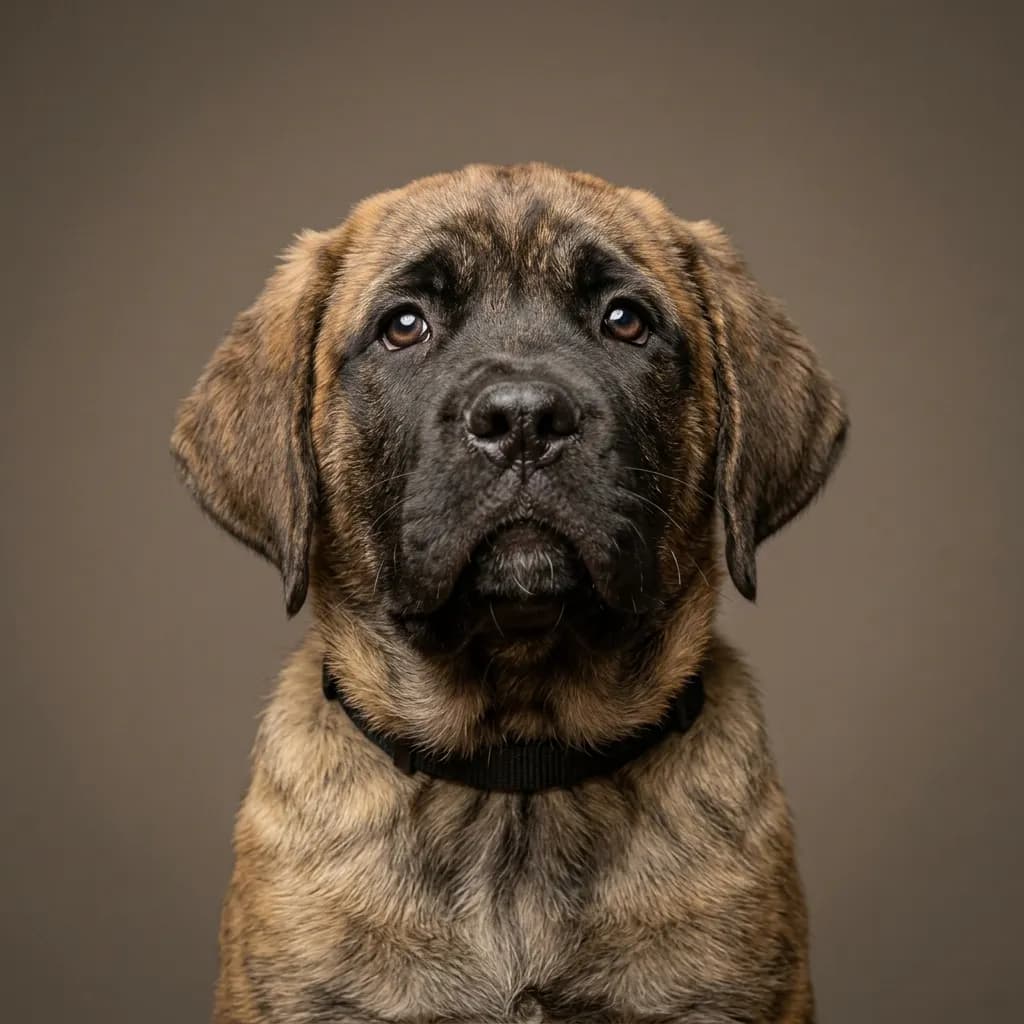
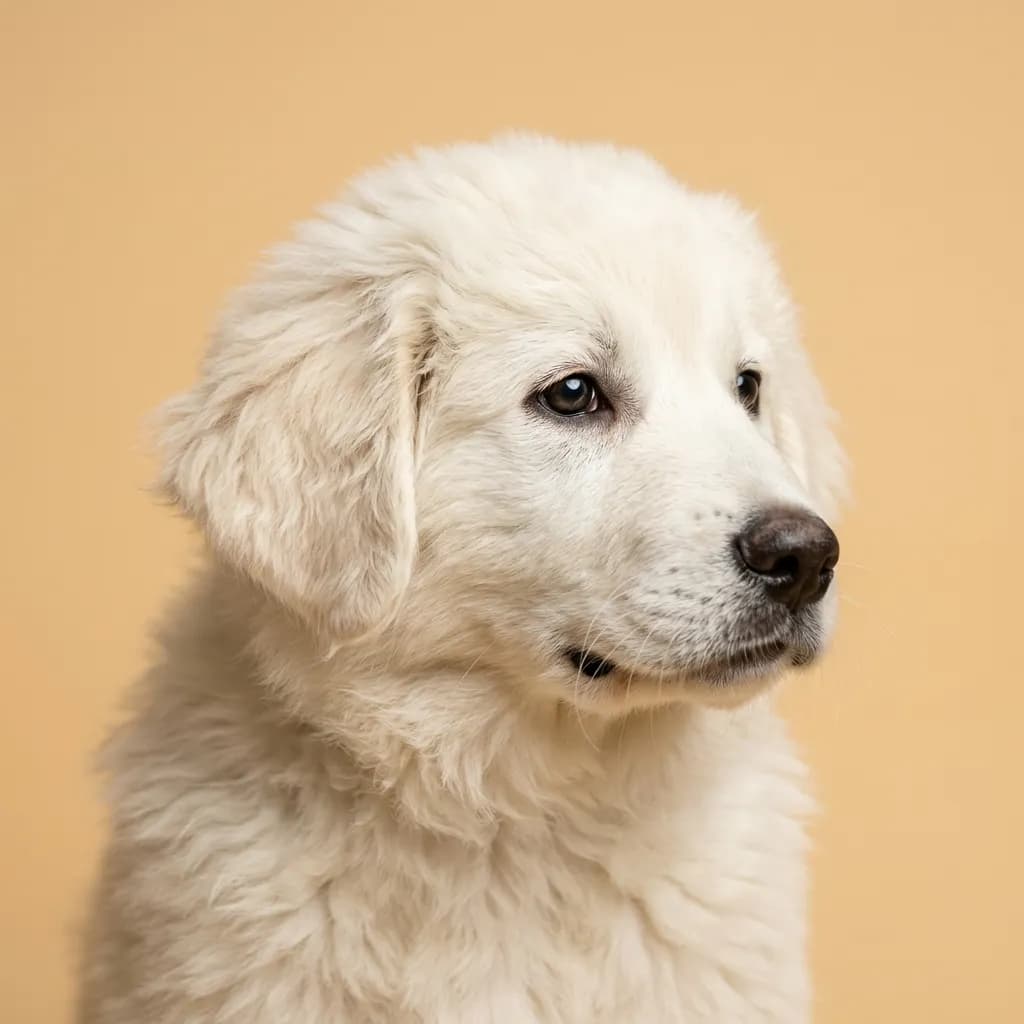
People compare Mastiffs and Slovensky Cuvacs because they’re both massive, white, and built like they could survive the apocalypse. But that’s where the similarities end. If you’re torn between them, you’re really choosing between a gentle giant and a rugged mountain sentinel. The Mastiff is your homebody with a cape. At 120 to over 200 pounds, it’s one of the largest breeds alive, built for presence, not speed. You’ll find it sprawled on your living room floor, calm and deeply attached to the family. It’s the dog that lets kids climb on it and still wags its tail. But it won’t live long. 6 to 10 years is typical. and its health needs are serious. Bloat and joint issues mean vet bills will stack up, and you’ll need space, both indoors and out. The Slovensky Cuvac, at nearly half the weight, is leaner, tougher, and built for purpose. It was bred to guard flocks in the snowy Carpathians, so it thrives in cold climates and open land. Don’t expect it to melt into your family like a Mastiff. It’s loyal but reserved, especially with strangers and kids. It sheds heavily, needs a job, and won’t adapt well to city life or tiny yards. Here’s the real difference: a Mastiff is a companion that guards; a Cuvac is a guardian that tolerates companionship. If you want a dog that’s part of the family drama, leans on you emotionally, and you’re ready for the cost and heartbreak of a short life, go Mastiff. If you’re on a farm, in a cooler climate, and want a self-reliant protector that earns its keep, the Cuvac makes more sense. And one truth the data won’t tell you: the Cuvac doesn’t just guard property. it bonds to it. Move houses, and it might never fully settle again.
Trait-by-trait
Higher bar = more of that trait. Shedding, barking, drooling, grooming flipped for readability.Where they diverge
Choose the Mastiff if…
- Families with older children
- Experienced large-breed owners
- Those wanting a calm guardian
- You value good with young children — Mastiff scores noticeably higher.
Choose the Slovensky Cuvac if…
- experienced large-breed owners
- farms and large properties
- cold climates
- You value shedding level — Slovensky Cuvac scores higher here.