Mountain Cur vs Samoyed
Side-by-side comparison across all 14 AKC trait ratings, with a clear verdict on which breed fits which kind of household.
Not sure which breed fits your life?
Answer five questions about your home, your schedule, and your tolerance for shedding. We’ll match you to your top three breeds from over 200.
Mountain Cur vs Samoyed
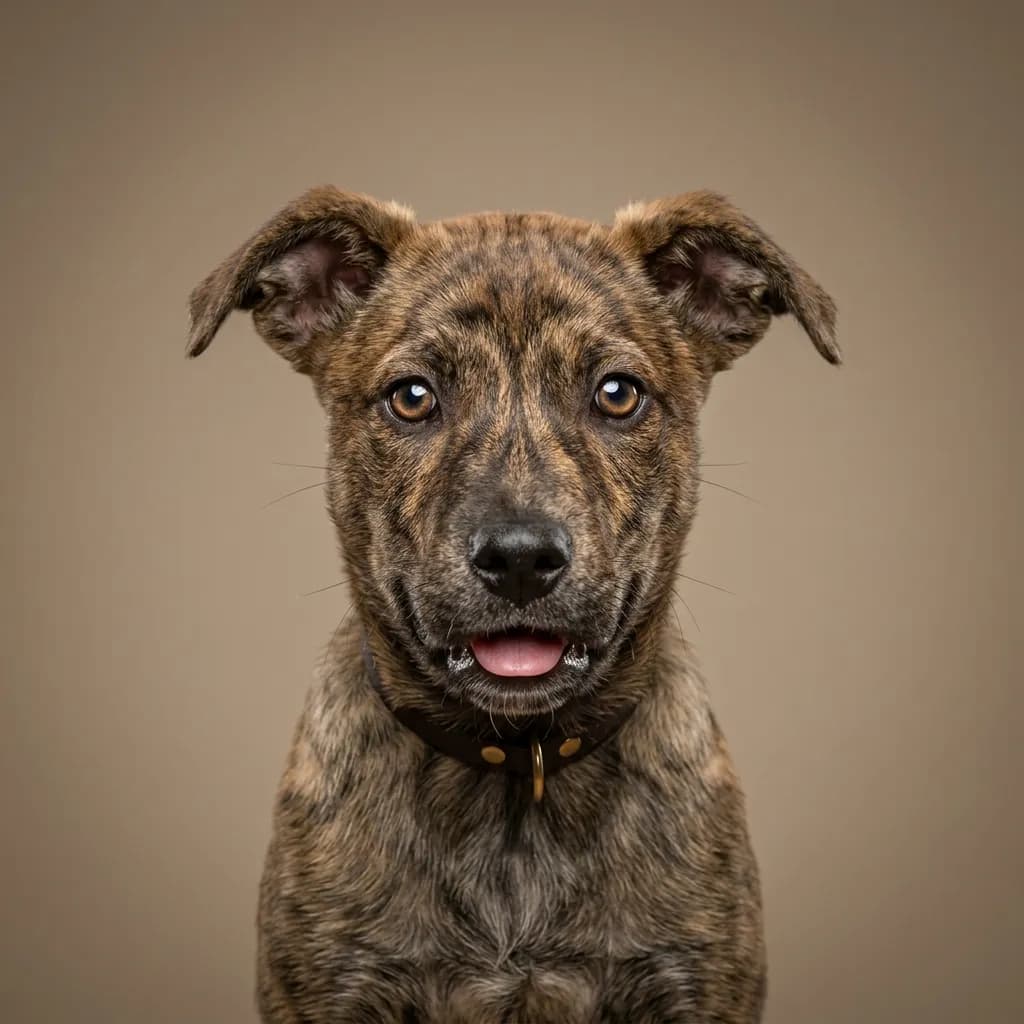
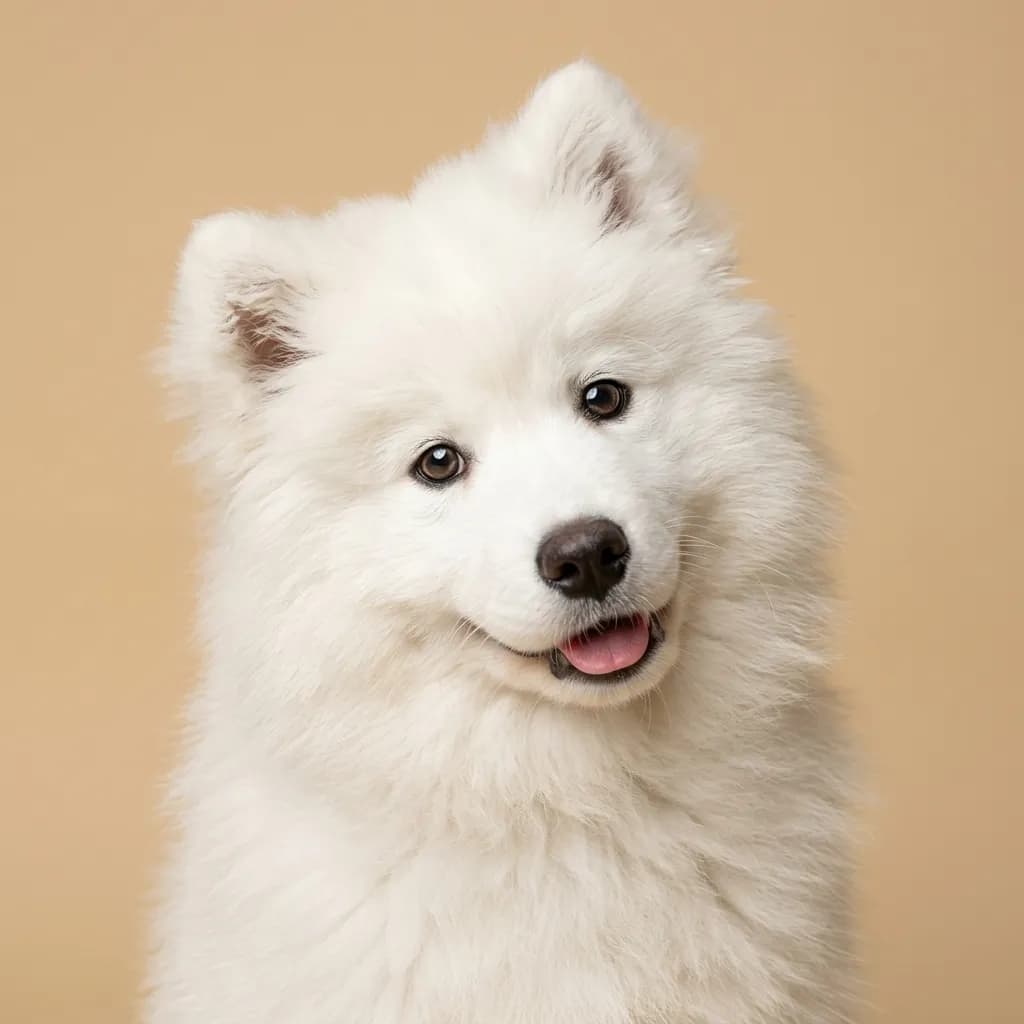
You don’t see a Mountain Cur and a Samoyed walking down the same path often. literally and figuratively. People compare them when they’re torn between a loyal, rugged working dog and something more family-friendly and soft around the edges. But these breeds come from different worlds and serve very different purposes. The Mountain Cur is a lean, driven hunter built for the backwoods. It’s smart and intensely loyal to its people, but it won’t greet your guests with a smile. It’s watchful, independent, and needs a job. whether that’s tracking game or patrolling your property. You’ll need experience to handle its strong will, and you’d better love the outdoors, because this dog thrives in rural life. It sheds moderately but won’t demand constant grooming. What it does demand is purpose. Without it, you’ll get a frustrated dog that tests boundaries. The Samoyed, in contrast, greets life with a grin. literally. Bred to work in harsh Arctic conditions, it brings that same cheerful energy to family life. It’s great with kids, loves being part of the action, and adapts well to different routines. But don’t be fooled by the fluff. This dog barks. A lot. And that stunning white coat? It sheds in clumps, especially during seasonal blowouts. You’ll be brushing weekly, if not daily. Here’s the real difference beyond the stats: the Mountain Cur wants to work with you, but on its own terms. The Samoyed wants to please you, but it needs you to lead. If you’re a laid-back city dweller, skip the Cur. If you hate barking and shedding, skip the Samoyed. But if you want a dog that feels like part of the family in every way, the Samoyed wins. If you want a true partner in the wild, the Cur won’t let you down.
Trait-by-trait
Higher bar = more of that trait. Shedding, barking, drooling, grooming flipped for readability.Where they diverge
Choose the Mountain Cur if…
- Active outdoor owners
- Hunters
- Rural or farm settings
- You value drooling level — Mountain Cur scores noticeably higher.
Choose the Samoyed if…
- Active families
- Cold climate households
- Dog sports enthusiasts
- You value good with young children — Samoyed scores higher here.