Mudi vs Samoyed
Side-by-side comparison across all 14 AKC trait ratings, with a clear verdict on which breed fits which kind of household.
Not sure which breed fits your life?
Answer five questions about your home, your schedule, and your tolerance for shedding. We’ll match you to your top three breeds from over 200.
Mudi vs Samoyed
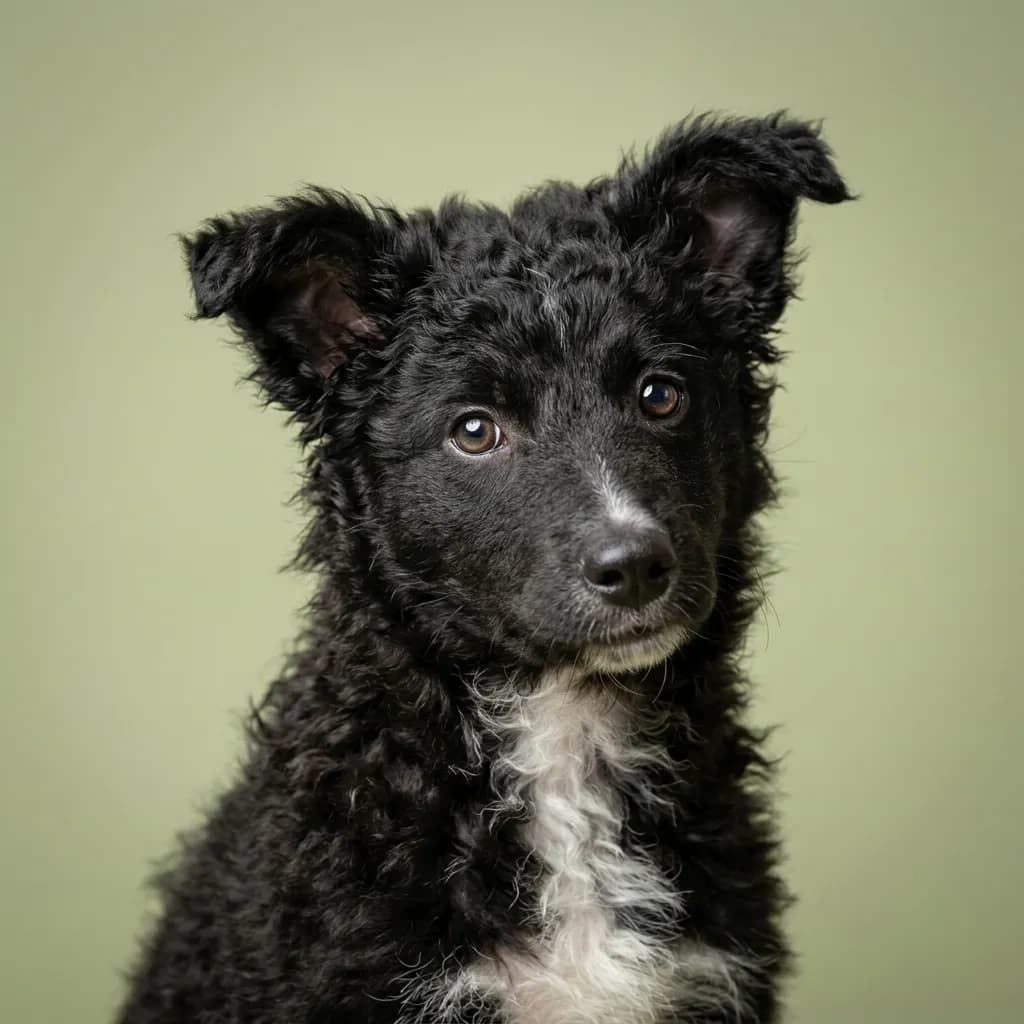
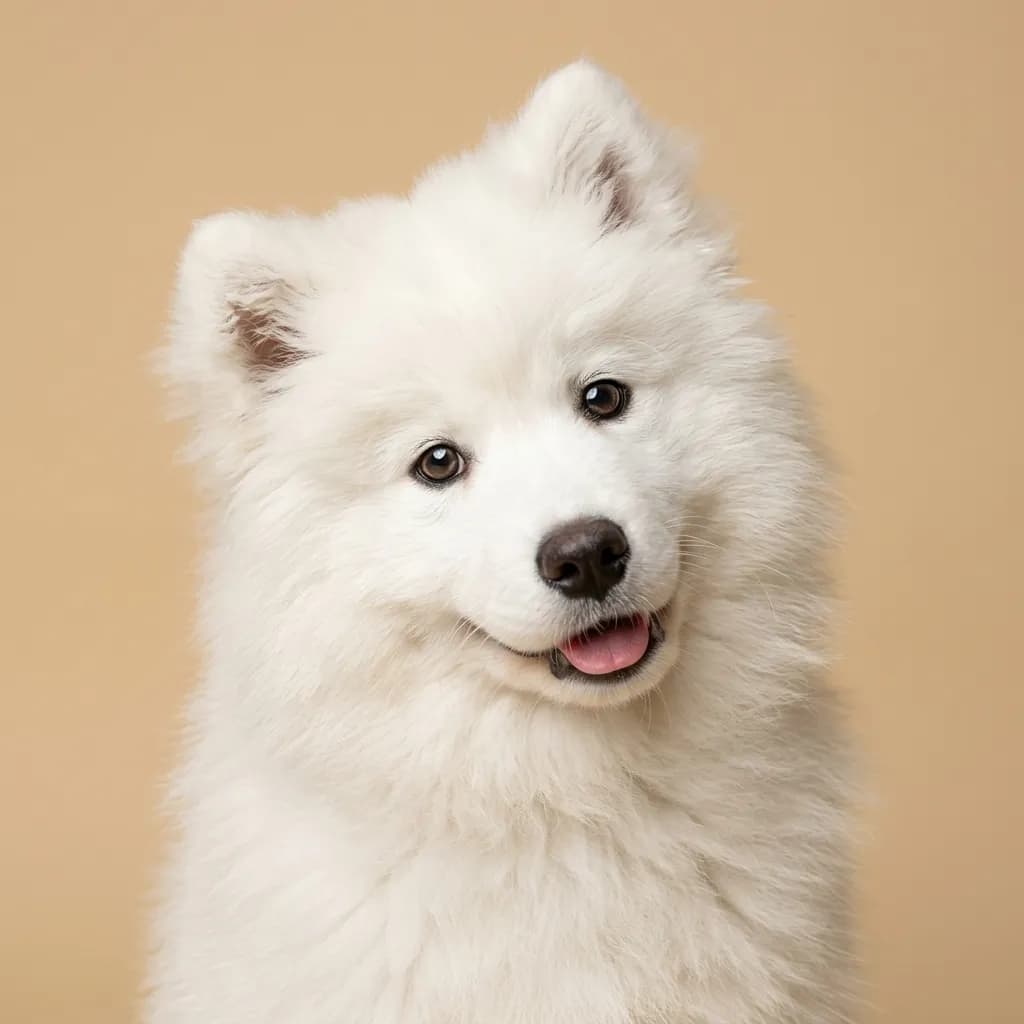
You’re probably comparing a Mudi and a Samoyed because both are energetic, smart dogs with that “spitz-like” look. pointy ears, curly tails, and enough fluff to make you think they’re related. They’re not. And that’s where the real story begins. The Mudi is a lean, wiry 25-pound herding machine from Hungary, built for darting around livestock and solving problems at speed. This dog lives to work. It’s sharp, intense, and will rearrange your sock drawer if you don’t give it a job. It bonds tightly with its person, but it’s not the kind of dog that’ll greet every stranger like a long-lost cousin. Kids? They’re tolerated if trained early, but not always adored. You need to be on your game with a Mudi. It thrives on challenge, not cuddles on demand. The Samoyed, by contrast, is a 50-pound cloud of social charm. Bred to pull sleds and herd reindeer in Siberia, it’s got the coat to prove it. thick, white, and shedding constantly. This dog wants nothing more than to be part of your life, every part. It’s great with kids, loves strangers, and will bark at a leaf blowing down the street. If you live in a warm climate, good luck. That coat is a furnace. The real difference isn’t just size or fluff. It’s focus. The Mudi needs a mission. The Samoyed just wants to love you and everyone else. If you’re into dog sports and have experience with driven breeds, the Mudi will electrify your life. If you want a friendly, family-oriented dog that looks like a smiling snowman and don’t mind brushing fur daily, go Samoyed. Here’s the honest part: Samoyeds seem easier, but their barking and grooming demands catch people off guard. Mudis seem intense, but they’re often easier to manage in real life. if you’re willing to keep up mentally.
Trait-by-trait
Higher bar = more of that trait. Shedding, barking, drooling, grooming flipped for readability.Where they diverge
Choose the Mudi if…
- Active families
- Experienced herding breed owners
- Dog sport enthusiasts
- You value drooling level — Mudi scores noticeably higher.
Choose the Samoyed if…
- Active families
- Cold climate households
- Dog sports enthusiasts
- You value good with young children — Samoyed scores higher here.