Newfoundland vs Swedish Vallhund
Side-by-side comparison across all 14 AKC trait ratings, with a clear verdict on which breed fits which kind of household.
Not sure which breed fits your life?
Answer five questions about your home, your schedule, and your tolerance for shedding. We’ll match you to your top three breeds from over 200.
Newfoundland vs Swedish Vallhund
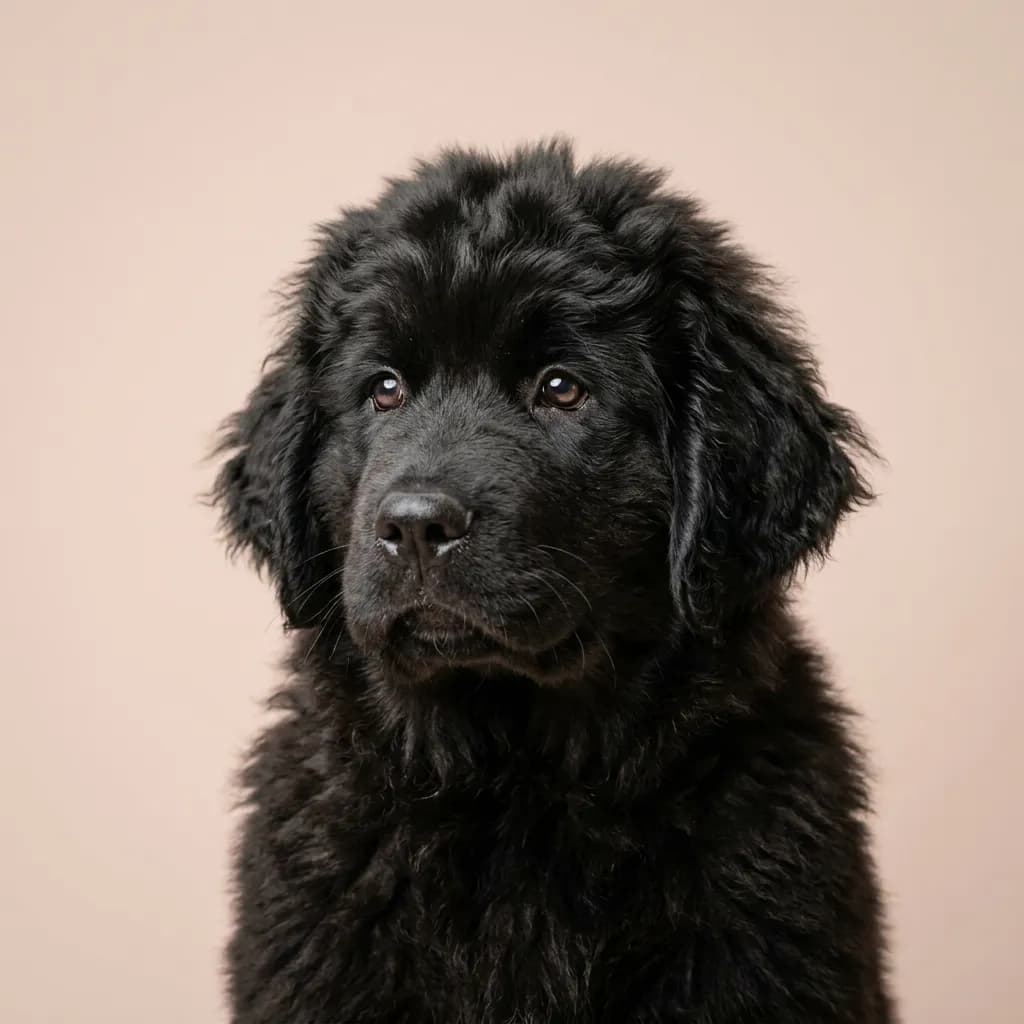
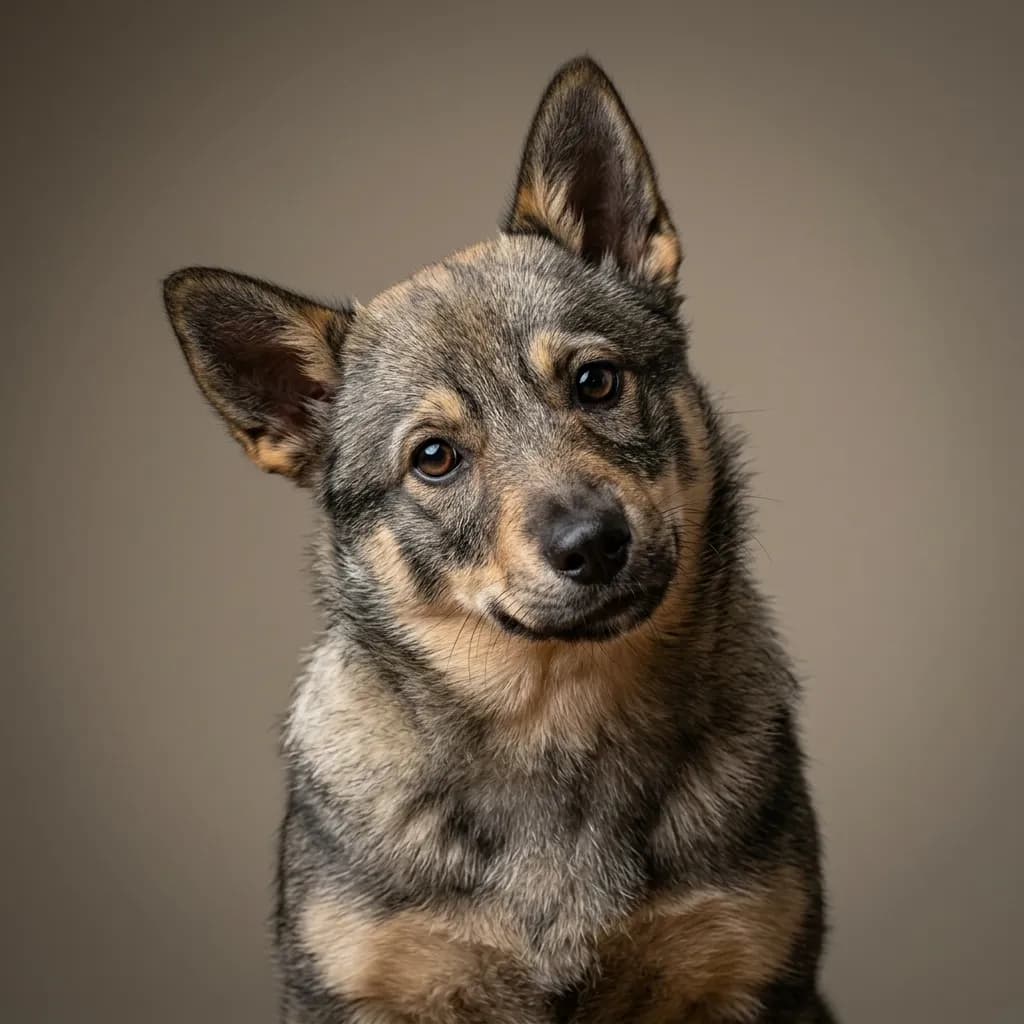
You don’t see many people torn between a 150-pound gentle giant and a 30-pound Viking-era cattle dog. But here we are, and the reason these two come up together is surprising: both are deeply loyal, kid-friendly breeds with ancient roots and big personalities in very different packages. If you’re choosing between a Newfoundland and a Swedish Vallhund, you’re really asking: do I want a living waterlogged teddy bear or a clever, turbo-charged little Viking? The Newfoundland is the dog you lean on. Literally. They’re massive, calm, and built for cold water and rugged coastlines. They’ll carry your kid on their back like a furry draft horse. But they drool on your coffee table, shed like a woolly mammoth, and need space and cooler temps. They’re not lazy, but their energy is steady, not sparky. You need to be ready for the logistics. bigger vet bills, a wider dog door, a slobber rag in every room. The Swedish Vallhund is the opposite kind of commitment. Small, loud, and always working, they’re happiest when they’ve got a job or a hike. They’ll herd your kids into the bathtub if you let them. They shed heavily too, but at least they fit in the car. They bark at squirrels like it’s their civic duty, so quiet neighborhoods might not work. Here’s the real difference: Newfoundlands give you love like a slow, deep river. Vallhunds energize your life like a heartbeat. Pick the Newfoundland if you want calm strength and don’t mind the mess. Pick the Vallhund if your home is a circus and you want a ringmaster with a fox face and no tail.
Trait-by-trait
Higher bar = more of that trait. Shedding, barking, drooling, grooming flipped for readability.Where they diverge
Choose the Newfoundland if…
- Families with children
- Water and outdoor enthusiasts
- Those wanting a gentle giant
- You value drooling level — Newfoundland scores noticeably higher.
Choose the Swedish Vallhund if…
- Active families
- Dog sports enthusiasts
- First-time dog owners willing to train
- You value barking level — Swedish Vallhund scores higher here.